


Following Philadelphia soda tax, increases were seen in purchases of sugary foods
MONDAY, Sept. 12, 2022 (HealthDay News) — Taxes may lower consumption of sugar-sweetened beverages, but substitution patterns may limit the effectiveness on reducing overall sugar intake, according to a study published online Aug. 17 in Health Economics.
Felipe Lozano-Rojas, Ph.D., from the University of Georgia in Athens, and Patrick Carlin, from Indiana University in Bloomington, examined the effects of the 2017 Philadelphia soda tax on purchases of other items containing sugar.
The researchers observed an increase in sugar from purchases of sweetened foods of about 4.3 percent following the introduction of the tax in Philadelphia and a 3.7 percent increase in neighboring localities. This switch to sugary foods effectively offsets 19 percent of the decrease of sugar from sugar-sweetened beverages in Philadelphia. When including counties bordering Philadelphia, the substitution offsets 37 percent of the decrease of sugar from sugar-sweetened beverages.
“Subsidizing water, making it more accessible, particularly in places where tap water is not drinkable, these are things that might make going with the healthier choice easier,” Lozano-Rojas said in a statement. “I think this issue requires more of a magnifying glass into these populations to determine the causes driving excessive sugar-sweetened beverage consumption.”
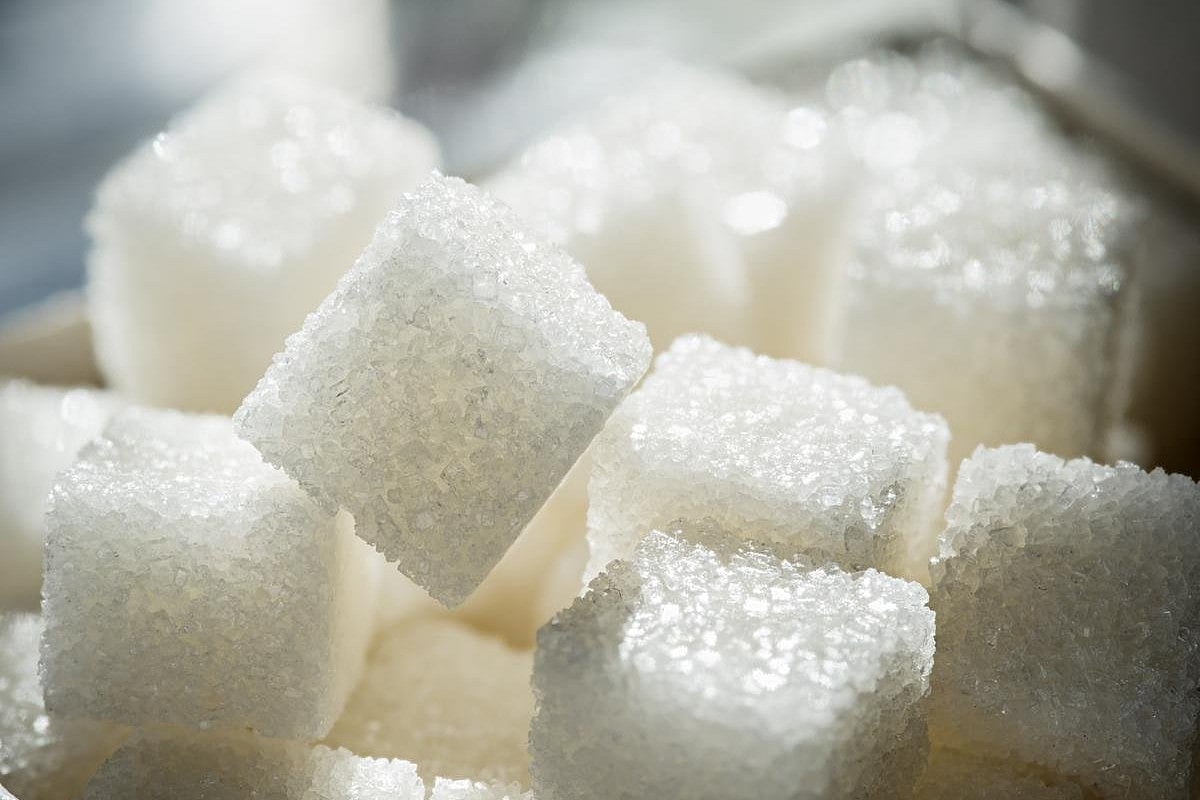 Sugar Exposure in Early Life Linked to Anxiety in Adulthood
  Socioeconomic Status Linked to Mortality After Acute Hip Fracture Surgery
  Drug Retention in Spondyloarthritis Varies With Socioeconomic Status
 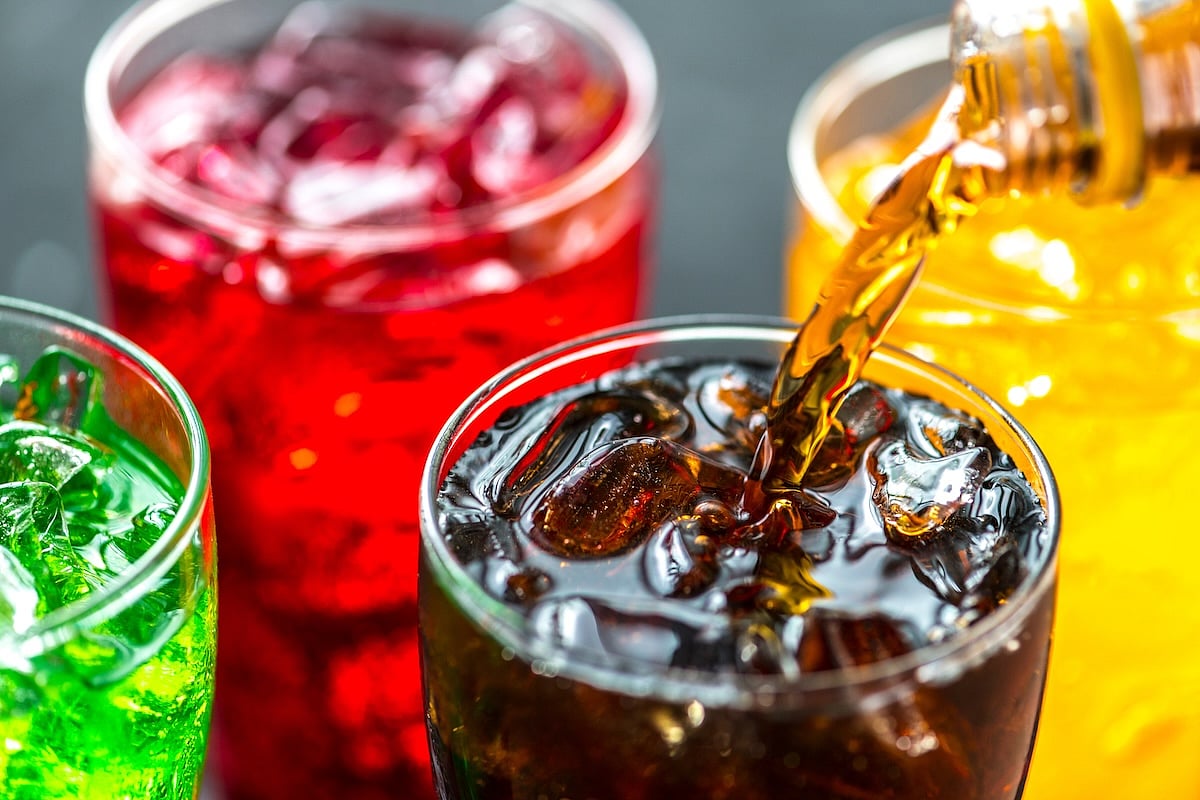 Sugar-Sweetened Beverages May Increase Risk for Gastric Cancer
  Couples" Coping Skills Help Reduce Depression in GI Cancer Survivors
  Sugar-Sweetened Beverage Intake Linked to Anxiety in Teens


.jpg)

