Reductions in risk for overall, progression-free survival seen for those consuming two to three cups/day
THURSDAY, Sept. 17, 2020 (HealthDay News) — For patients with advanced or metastatic colorectal cancer (CRC), coffee consumption is associated with reduced risk of disease progression and death, according to a study published online Sept. 17 in JAMA Oncology.
Christopher Mackintosh, from the Mayo Clinic School of Medicine in Rochester, Minnesota, and colleagues examined the association between coffee consumption and disease progression and death in a study involving 1,171 patients with previously untreated locally advanced or metastatic CRC.
Of the 1,171 patients, 93 percent had died or had disease progression. The researchers observed an association between increased coffee consumption and a decreased risk for cancer progression and death (hazard ratios for one-cup/day increment, 0.95 [95 percent confidence interval, 0.91 to 1.00; P = 0.04 for trend] and 0.93 [95 percent confidence interval, 0.89 to 0.98; P = 0.004 for trend], respectively). The multivariable hazard ratios for overall survival and progression-free survival were 0.82 (95 percent confidence interval, 0.67 to 1.00) and 0.82 (95 percent confidence interval, 0.68 to 0.99), respectively, for participants who consumed two to three cups of coffee compared with those who did not drink coffee. Patients consuming four or more cups of coffee had multivariable hazard ratios of 0.64 (95 percent confidence interval, 0.46 to 0.87) and 0.78 (95 percent confidence interval, 0.59 to 1.05) for overall and progression-free survival, respectively.
“Incorporating coffee drinking into treatment strategies for patients with CRC has practical appeal, but such recommendations require further research,” write the authors of an accompanying editorial.
Several authors disclosed financial ties to pharmaceutical companies, including Genentech and Pfizer, which together with Sanofi partially funded the study.
Abstract/Full Text (subscription or payment may be required)
Editorial (subscription or payment may be required)
 Surveillance Colonoscopy at Five Years After Adenoma Removal Noninferior to Three Years
  Family History of CRC Increases CRC Risk Similarly in IBD, General Population
  Lower Breast, Cervical Cancer Screening Seen for Adults With Disabilities
 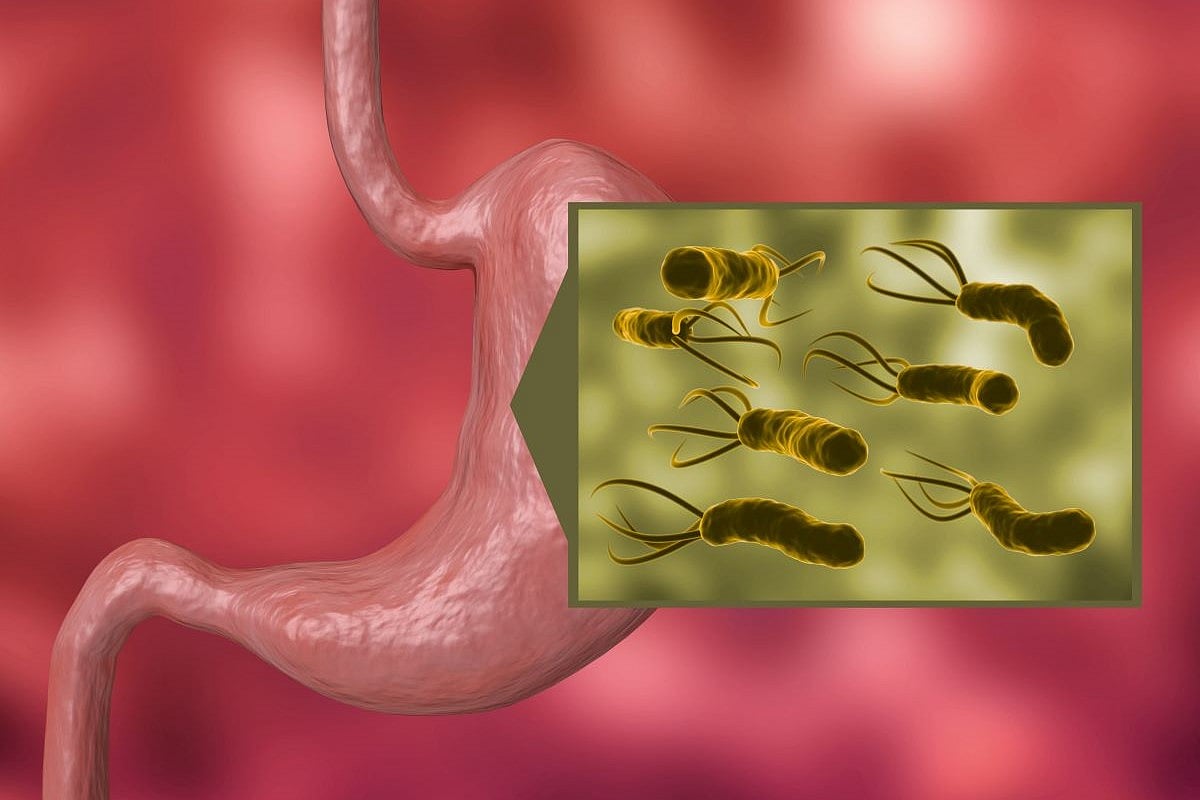 H. Pylori Exposure May Contribute to Global Burden of Colorectal Cancer
  Distinct Skin Microbiome Features Emerge Before Atopic Disease Onset in Infants
  Freshwater Swimming Tied to Stomach Bugs, Skin Conditions
  Couples" Coping Skills Help Reduce Depression in GI Cancer Survivors
 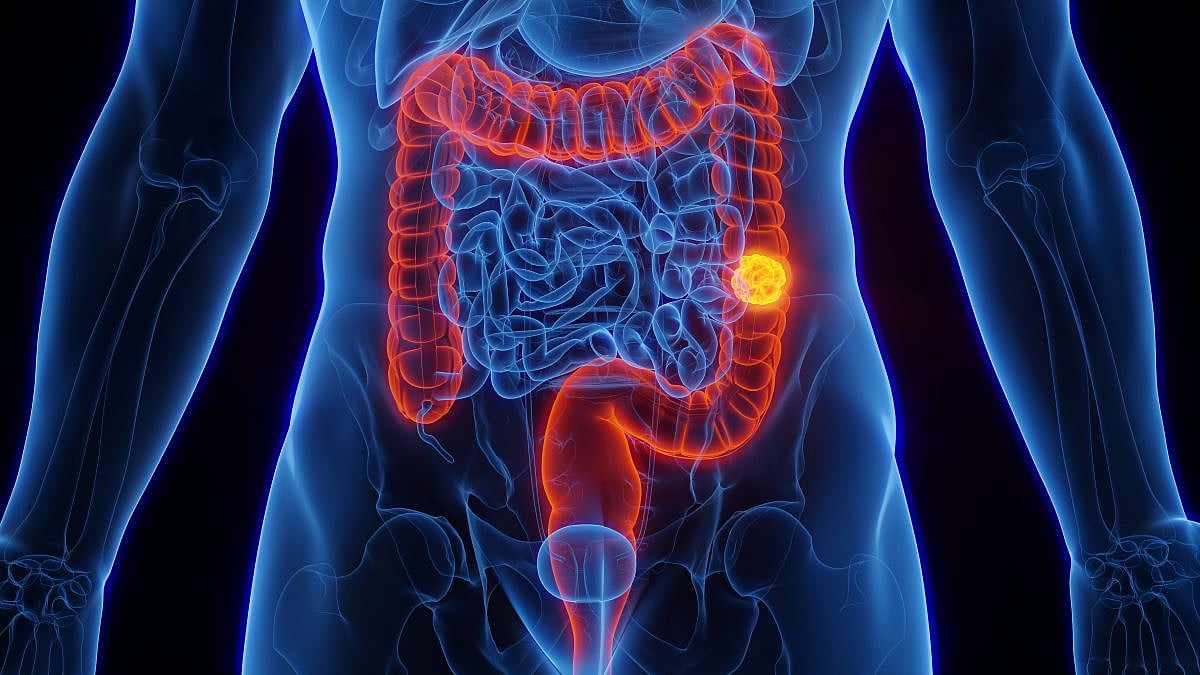 Organized, Biennial FIT-Based Screening Linked to Lower Colorectal Cancer Mortality