


Incidence rates increased by 3 percent annually among adults aged 20 to 49 years and by 0.4 percent annually for those aged 50 to 64 years
MONDAY, March 2, 2026 (HealthDay News) — Colorectal cancer (CRC) incidence is increasing among adults aged younger than 65 years, according to a study published in the March issue of CA: A Cancer Journal for Clinicians.
Rebecca L. Siegel, M.P.H., from the American Cancer Society in Atlanta, and colleagues reported on CRC occurrence based on incidence from population-based cancer registries and mortality from the National Center for Health Statistics.
The researchers found that during 2013 to 2022, CRC incidence declined by 0.9 percent annually overall, driven by decreases of 2.5 percent annually among adults aged 65 years and older. In adults aged 20 to 49 years, incidence rates increased by 3 percent annually, while rates increased by 0.4 percent annually among adults aged 50 to 64 years, dominated by tumors in the distal colon and rectum. After decades of decline, overall rectal cancer incidence increased by 1 percent annually from 2018 to 2022, now accounting for 32 percent of all CRC. In adults aged 50 to 64 years, increasing CRC incidence was confined to regional and distant-stage diagnosis (1.1 to 1.3 percent annually during 2013 to 2022), likely contributing to an increase in mortality of 1 percent annually since 2019 (2.3 percent annually in Whites). In adults aged younger than 50 years, mortality increased by 1 percent annually since 2004, while the rate declined by 2.3 percent annually since 2012 for adults aged 65 years and older.
“These findings further underscore that colorectal cancer is worsening among younger generations and highlight the immediate need for eligible adults to begin screening at the recommended age of 45,” William Dahut, M.D., chief scientific officer at the American Cancer Society, said in a statement.
 Surveillance Colonoscopy at Five Years After Adenoma Removal Noninferior to Three Years
  Family History of CRC Increases CRC Risk Similarly in IBD, General Population
 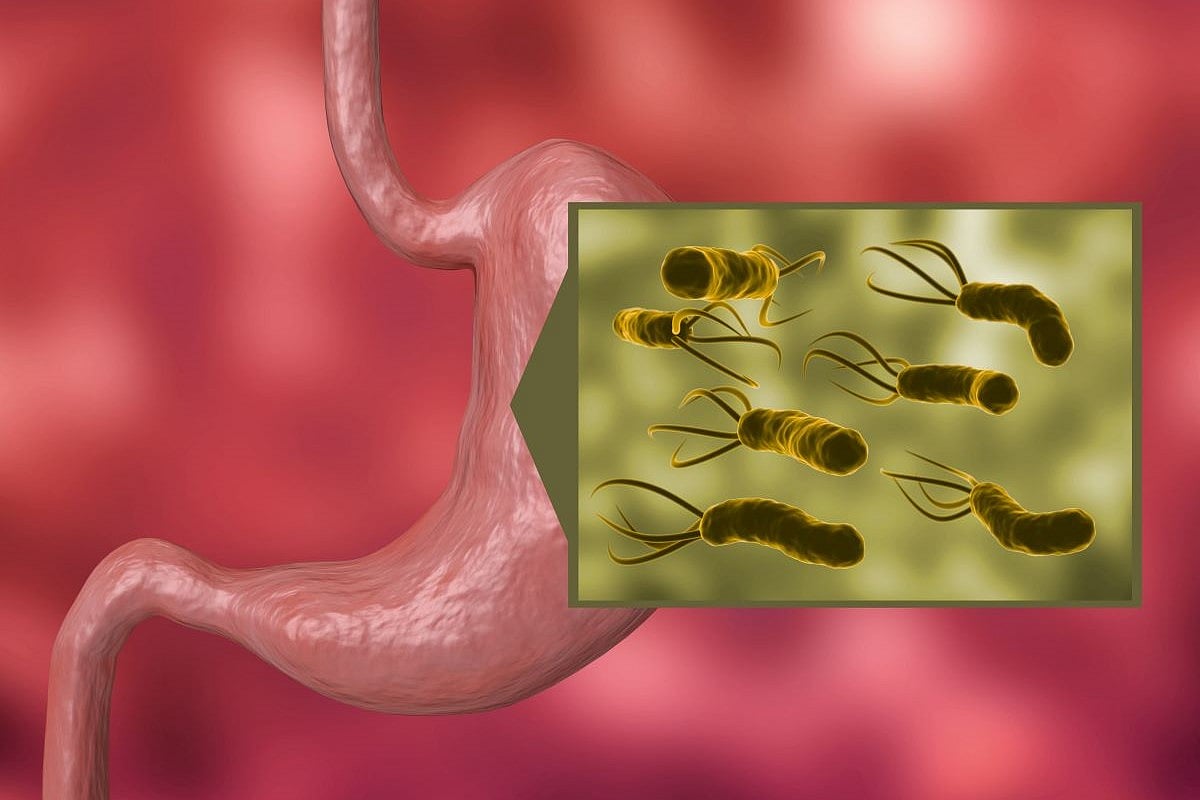 H. Pylori Exposure May Contribute to Global Burden of Colorectal Cancer
  Lower Breast, Cervical Cancer Screening Seen for Adults With Disabilities
  Gap Found Between Awareness of Breast Cancer Risk and Risk-Reducing Behavior
  Pre-Prostate Biopsy MRI Use Increased From 2017 to 2026
  Exercise Intervention Linked to Improved Attention, Memory in Breast Cancer
  Dense Breast Notification Linked to Increase in Use of Supplemental Ultrasound
 .jpg)




