


History of concussion in past 12 months significantly linked to risk for poor academic standing during same period
TUESDAY, Sept. 13, 2022 (HealthDay News) — High-school students with a history of concussion in the previous 12 months have an increased risk for poor academic standing during the same period, according to a study published online Sept. 12 in Injury Prevention.
Julian Takagi-Stewart, from the Harborview Injury Prevention & Research Center in Seattle, and colleagues used data from the 2019 Youth Risk Behavior Survey to examine the association between concussion history and self-reported academic standing among high school students.
Data were included from 10,756 adolescents, 14.9 percent of whom reported having sustained at least one concussion in the previous 12 months. The researchers observed a significant association for having a history of concussion in the past 12 months with an increased risk for poor academic standing during the same period (relative risk, 1.25). The association varied by race/ethnicity; students who were White with a history of two or more concussions and students of other races/ethnicities with a history of one concussion had an increased risk for poor academic standing compared with those with no concussion history (relative risks, 2.08 and 1.62, respectively). The investigators observed no significant associations among students who were Black or African American and Hispanic/Latino.
“History of concussion was significantly associated with poor academic standing and experiencing multiple concussions could be particularly harmful on student outcomes,” the authors write.
 Socioeconomic Status Linked to Mortality After Acute Hip Fracture Surgery
  Childhood-Onset Epilepsy Tied to Lower Rate of Educational Attainment
  Non-U.S.-Born Physicians Make Up Nearly Half of Internal Medicine Workforce
 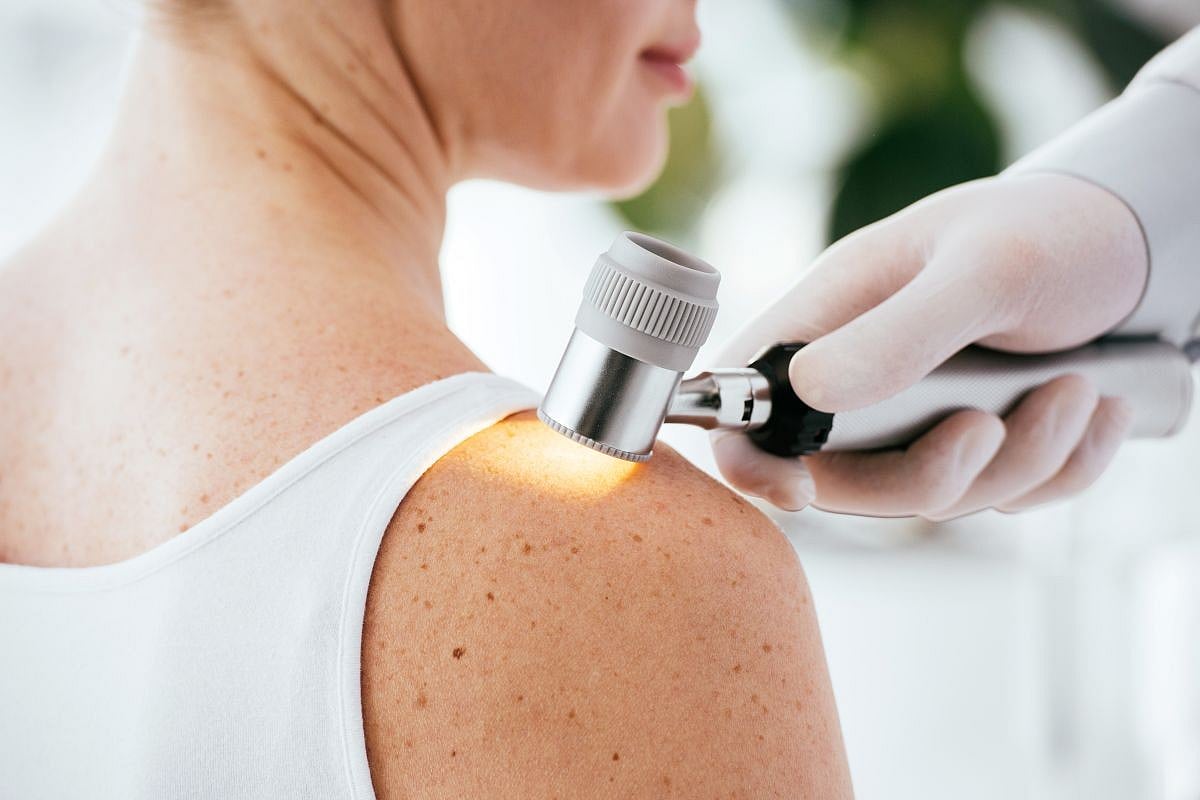 Patient Education Increases Skin Cancer Screening in Stem Cell Transplant Survivors
  Urine Cell-Free RNA Shows Promise as Biomarker for Bladder Cancer
  Biomarkers Plus Kidney Donor Profile Index Improve Prediction of Concordant Allograft Outcomes
  Genomic Newborn Screening Could ID Cancer Predisposition Syndrome
  Female Emergency Medicine Physicians Order More Tests, Admit More Patients


.jpg)

