


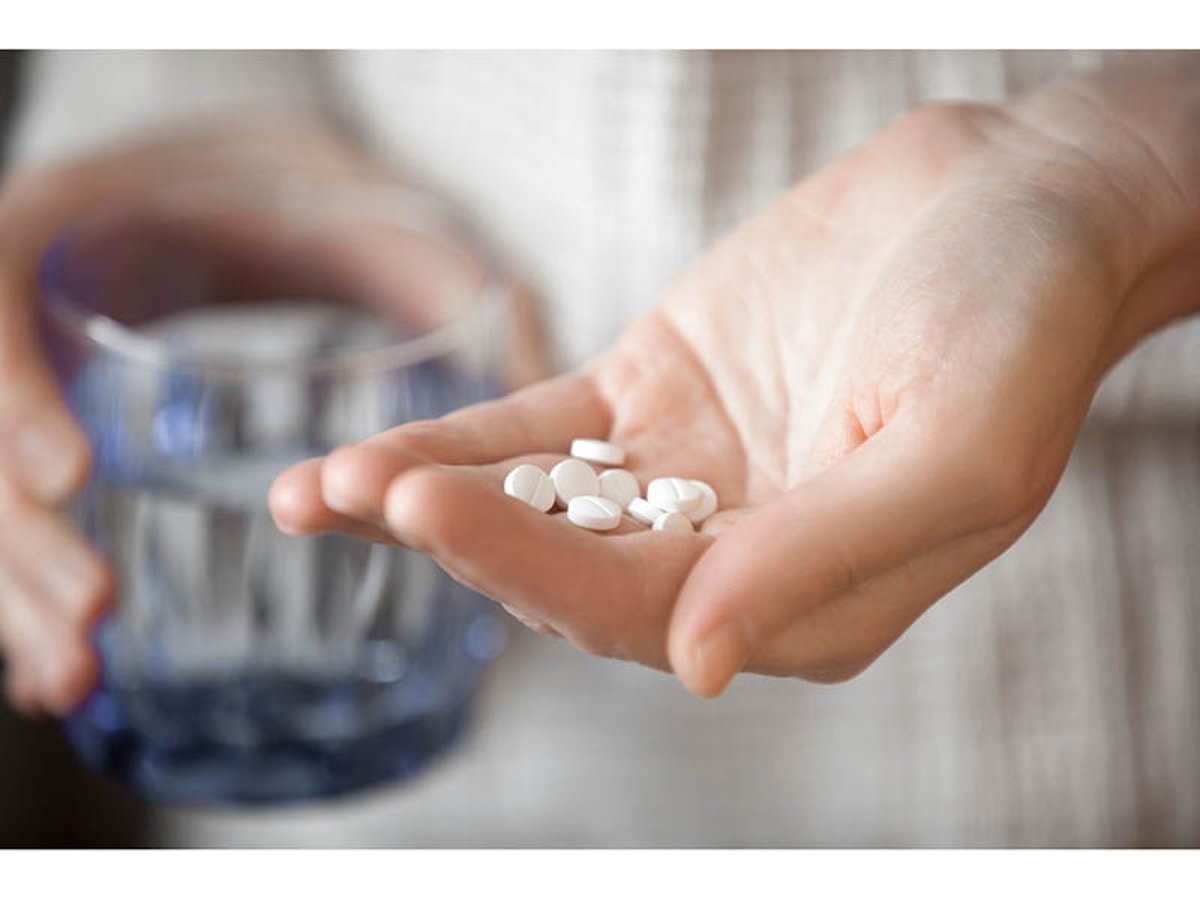
No association seen with reduced 14-day all-cause readmission or mortality for individuals continuing dexamethasone at discharge
WEDNESDAY, March 9, 2022 (HealthDay News) — For individuals hospitalized with COVID-19, continuing treatment with dexamethasone at discharge is not associated with a reduction in 14-day all-cause readmission or mortality, according to a study published online March 8 in JAMA Network Open.
Cheng-Wei Huang, M.D., from the Kaiser Permanente Los Angeles Medical Center, and colleagues examined whether continuing dexamethasone treatment at discharge is associated with reduced all-cause readmissions or mortality among 1,164 adults (median age, 55 years) who received less than 10 days of dexamethasone until discharge during hospitalization for COVID-19.
The researchers found that 59.5 percent of the patients continued dexamethasone at discharge. Propensity score and inverse probability of treatment weighting were used to create a balanced cohort. The adjusted odds ratio was 0.87 (95 percent confidence interval, 0.58 to 1.30) for readmissions or mortality within 14 days for patients who continued versus did not continue dexamethasone therapy at discharge. In a sensitivity analysis that restricted the treatment group to those who received exactly 10 days of dexamethasone, similar results were produced. The results were also similar in subgroup analyses stratified by duration of dexamethasone treatment as an inpatient, oxygen requirement at discharge, and disease duration at discharge.
“Our findings suggest that dexamethasone, short of other indications, should not be routinely prescribed beyond discharge for treatment in patients with COVID-19,” the authors write.
 Mortality, Comorbidity Risk Increased With Generalized Pustular Psoriasis
  Dexamethasone Eye Drops Can Reduce Progression to ROP Requiring Treatment
  Risk for Herpes Zoster Elevated for Individuals With Atopic Dermatitis
  Plasmapheresis Linked to Improved Outcomes for MOGAD Attacks
  Virtual Reality-Based Digital Defocus Vision Training May Aid Myopia in Children
  Highly Aspherical Lenslets Effective for Reducing Myopia Progression in Children
  Safety Intervention Reduces Incidence of Postoperative Endophthalmitis


.jpg)

