


Link between family history of polyps and CRC risk strengthened with increasing number of relatives and lower age at polyp diagnosis
WEDNESDAY, May 19, 2021 (HealthDay News) — First-degree relatives of patients with precursor lesions for colorectal cancer (CRC) have an increased risk of CRC, according to a study published online May 4 in The BMJ.
Mingyang Song, M.D., from the Harvard T. H. Chan School of Public Health in Boston, and colleagues conducted a case-control study involving 68,060 patients with CRC and 333,753 matched controls to examine the risk for CRC in first-degree relatives of patients with precursor lesions for CRC.
The researchers found that having a first-degree relative with a colorectal polyp was associated with a higher risk for CRC after adjustment for family history of CRC and other covariates (odds ratio, 1.40). The odds ratios varied from 1.23 to 1.44 for those with hyperplastic polyps and tubulovillous adenomas, respectively. An increasing number of first-degree relatives with polyps (at least two first-degree relatives: 1.70) and decreasing age at diagnosis of polyp (<50 years: 1.77) strengthened the association between family history of polyps and CRC risk. For early-onset CRC diagnosed before age 50 years, the association was particularly strong (at least two first-degree relatives: 3.34).
“Our findings suggest that to better prevent early-onset CRC, early screening, if proved effective, might be tailored for first-degree relatives of individuals with polyps, particularly those with multiple first-degree relatives with a history of polyps and when polyps are diagnosed in first-degree relatives at a younger age,” the authors write.
The study was partially funded by Janssen.
 Surveillance Colonoscopy at Five Years After Adenoma Removal Noninferior to Three Years
 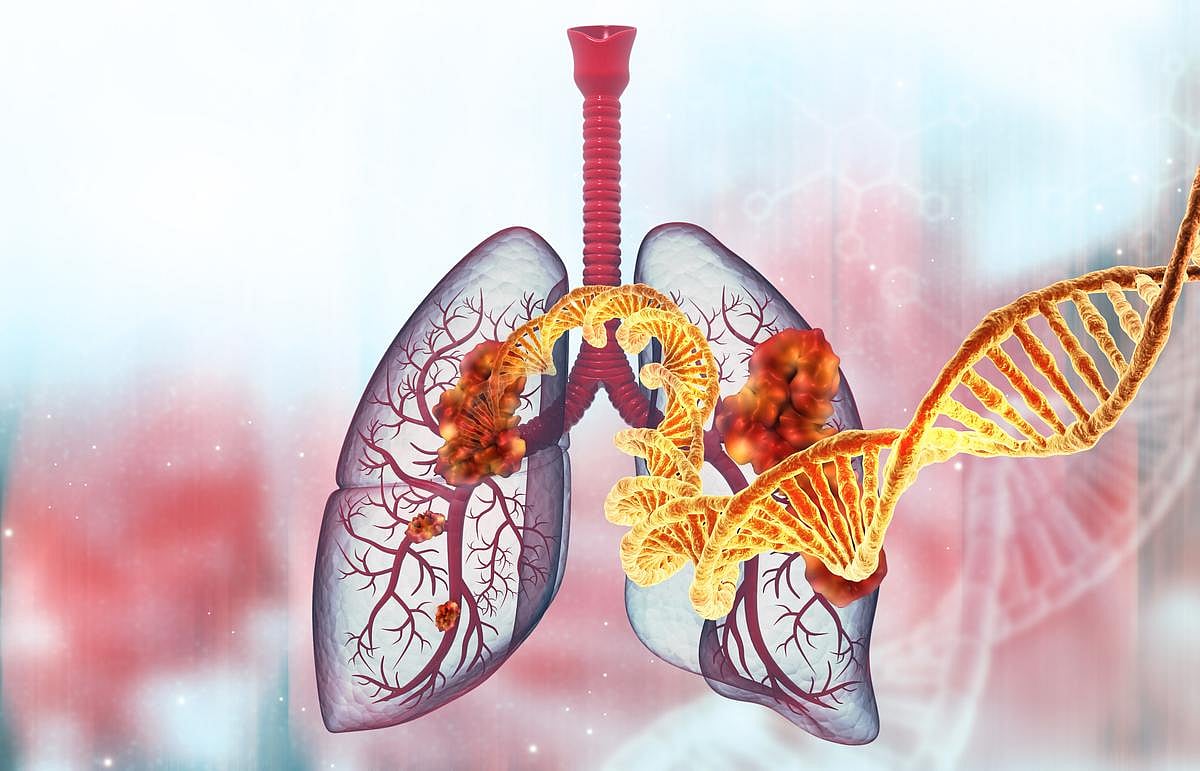 Gene Mutation Identified That Increases Lung Cancer Risk
 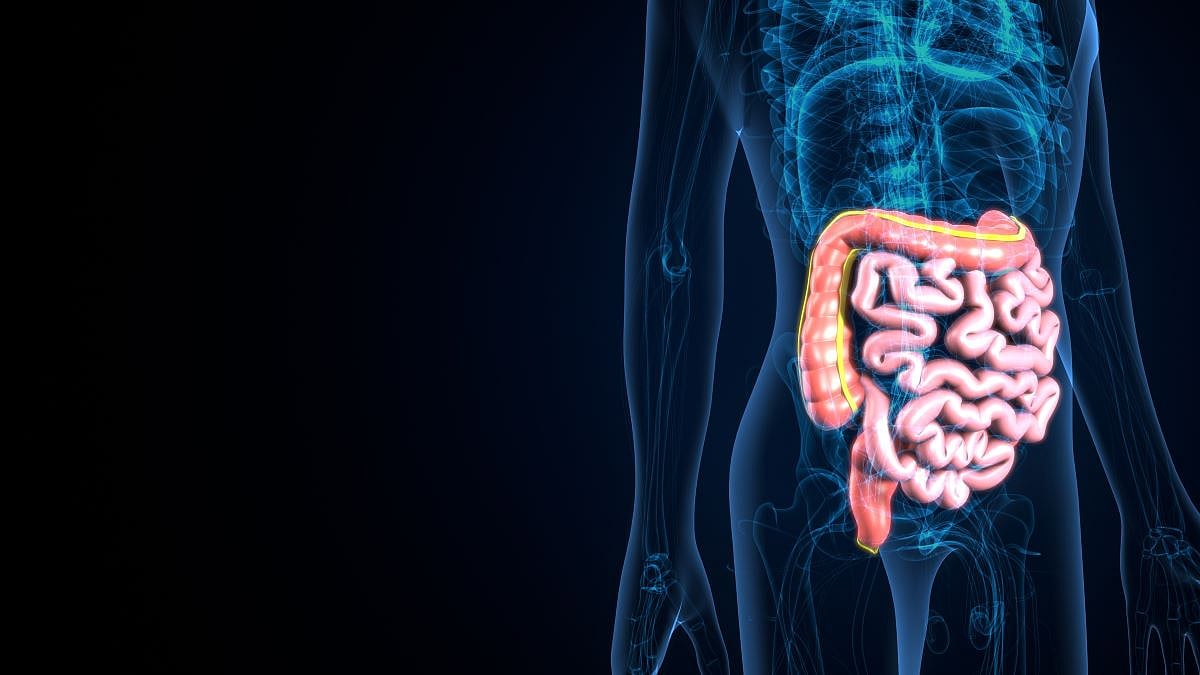 Family History of CRC Increases CRC Risk Similarly in IBD, General Population
 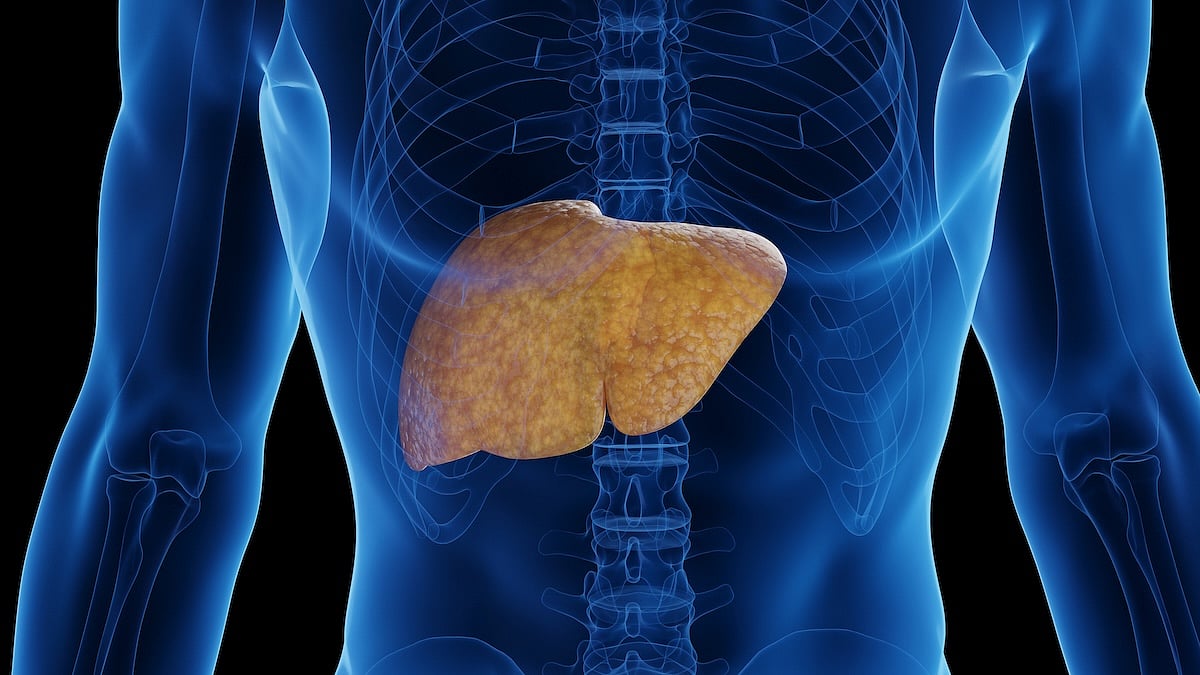 Genetics, Diabetes Tied to MASLD-Associated Cirrhosis Before Age 50
  GLP-1 Receptor Agonists, SGLT-2is Slow Renal Function Decline in T2D With Albuminuria
  Steatotic Liver Disease Risk Scores Compared for Predicting Cirrhosis
  Cirrhosis Can Recur After Liver Transplant
  Study IDs Risk Factors for Ketoacidosis in Adults With T2D Receiving SGLT2 Inhibitors


.jpg)

