


Results of dose-finding study suggest dexamethasone is safe for use at a dosage of 1.8 mg daily for five days per menstrual cycle
WEDNESDAY, Aug. 18, 2021 (HealthDay News) — Low-dose dexamethasone may reduce heavy menstrual bleeding (HMB) when taken during the luteal phase of menstrual cycles, according to a study published online recently in EBioMedicine.
Pamela Warner, Ph.D., from the University of Edinburgh in the United Kingdom, and colleagues randomly assigned 97 women with HMB to placebo or one of six dexamethasone doses (0.2 mg, 0.4 mg, 0.5 mg, 0.6 mg, 0.75 mg, or 0.9 mg) taken orally twice daily over five days in the midluteal phase of three menstrual cycles.
The researchers found that 1.8-mg dexamethasone daily showed a 25-mL greater reduction in menstrual blood loss compared with placebo, with a probability of 0.98 of benefit over placebo. Three-quarters of women receiving dexamethasone reported adverse events (58 of 77) versus 58 percent (15 of 26) taking placebo, but no participants withdrew due to adverse effects. Three serious adverse events occurred: two during screening and one in a placebo participant.
“Our findings support dexamethasone as a safe and effective medical therapy for HMB, making it a treatment option that might be welcomed by women who eschew surgical treatment, experience unacceptable side-effects with hormonal treatment, or wish to try for pregnancy,” the authors write.
Several authors disclosed financial ties to pharmaceutical and medical device companies.
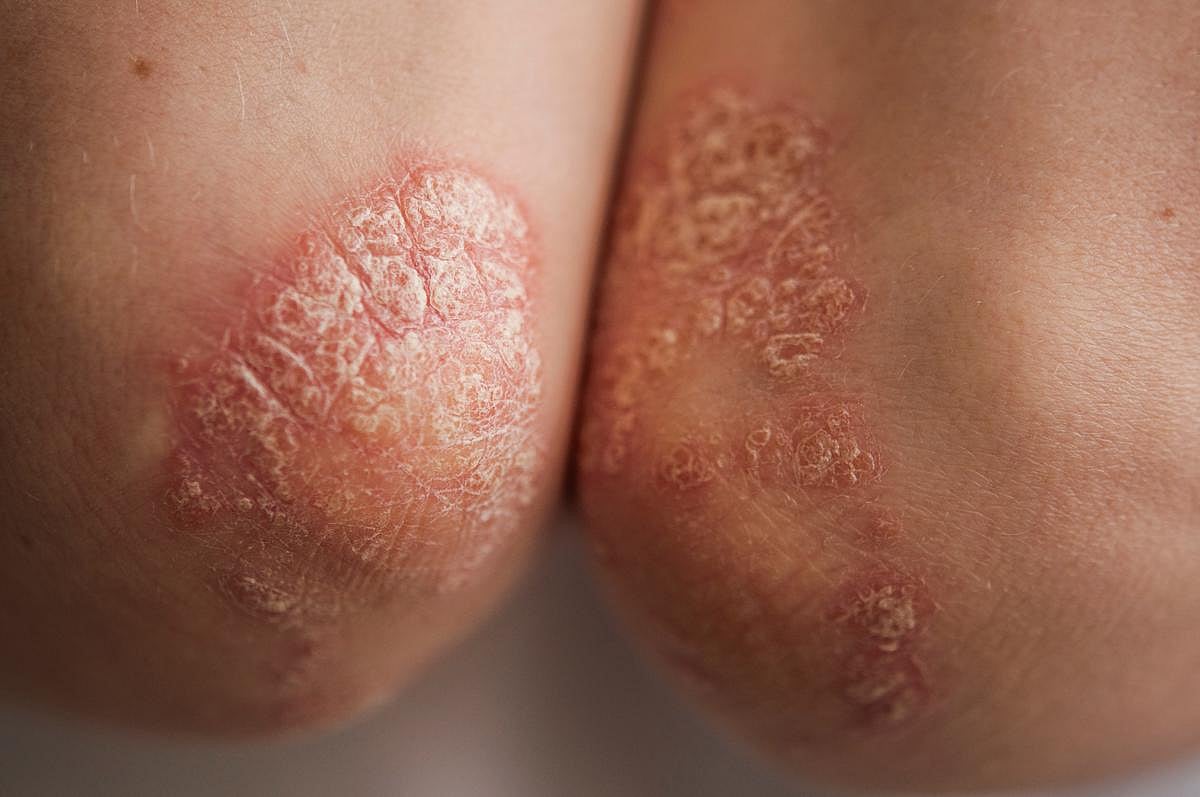 Mortality, Comorbidity Risk Increased With Generalized Pustular Psoriasis
  Model May Help Identify Women at Risk for Overactive Bladder
  Dexamethasone Eye Drops Can Reduce Progression to ROP Requiring Treatment
 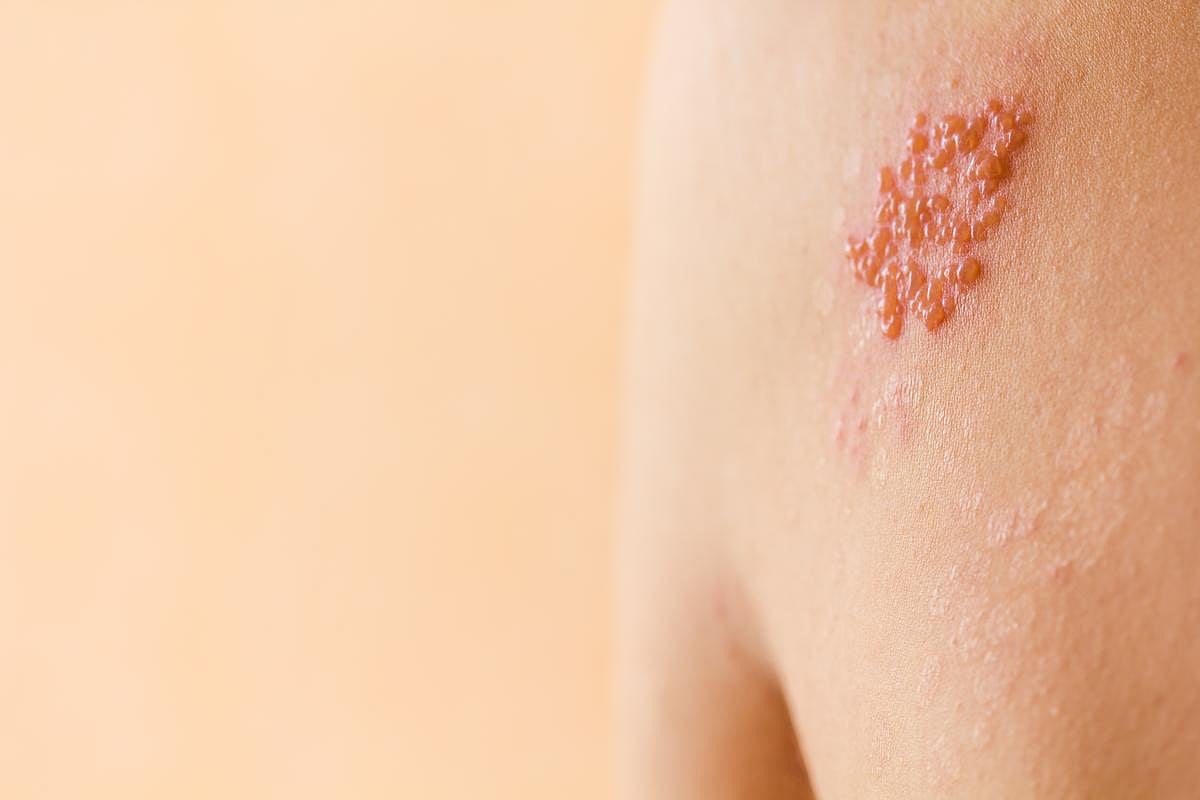 Risk for Herpes Zoster Elevated for Individuals With Atopic Dermatitis
  Lower Dietary Diversity in First Year Linked to Atopic Dermatitis
  Distinct Skin Microbiome Features Emerge Before Atopic Disease Onset in Infants
  Early Respiratory Infections Linked to Atopic Dermatitis Diagnosis
  Review Shows Antihistamines Offer No Meaningful Benefit in Atopic Dermatitis


.jpg)

