


Worse overall, disease-free, cancer-specific survival seen for patients with diabetes with complications
MONDAY, Oct. 23, 2023 (HealthDay News) — The severity of diabetes is associated with outcomes among patients with stage I to III colorectal cancer (CRC) undergoing curative radical resection, according to a study published online Oct. 23 in Cancer.
Hsin-Yin Hsu, M.D., from the Taipei MacKay Memorial Hospital in Taiwan, and colleagues conducted a population-based retrospective cohort study using data registered between 2007 and 2015 in the Cancer Registry Database, which is linked to the National Health Insurance Research Database and National Death Registry. Patients with CRC who underwent curative radical resection for stage I to III disease were evaluated and subdivided according to diabetic status. The association between diabetes severity and CRC survival was examined.
Data were included for 59,202 patients with CRC. The researchers found that the group with diabetes without complications had insignificantly worse overall survival, disease-free survival, and cancer-specific survival compared with the no diabetes group, while the group with diabetes with complications had a significantly higher risk for poor survival. Compared with those without diabetes, patients with CRC and diabetes had a higher risk for recurrence. Important effect modifiers included sex and TNM staging.
“These findings indicate that preventing diabetes complications may help improve survival in patients with CRC,” the authors write.
Abstract/Full Text (subscription or payment may be required)
 Surveillance Colonoscopy at Five Years After Adenoma Removal Noninferior to Three Years
  Spinal Cord Stimulation Cuts Pain, Improves Sensation With Diabetic Nerve Damage
 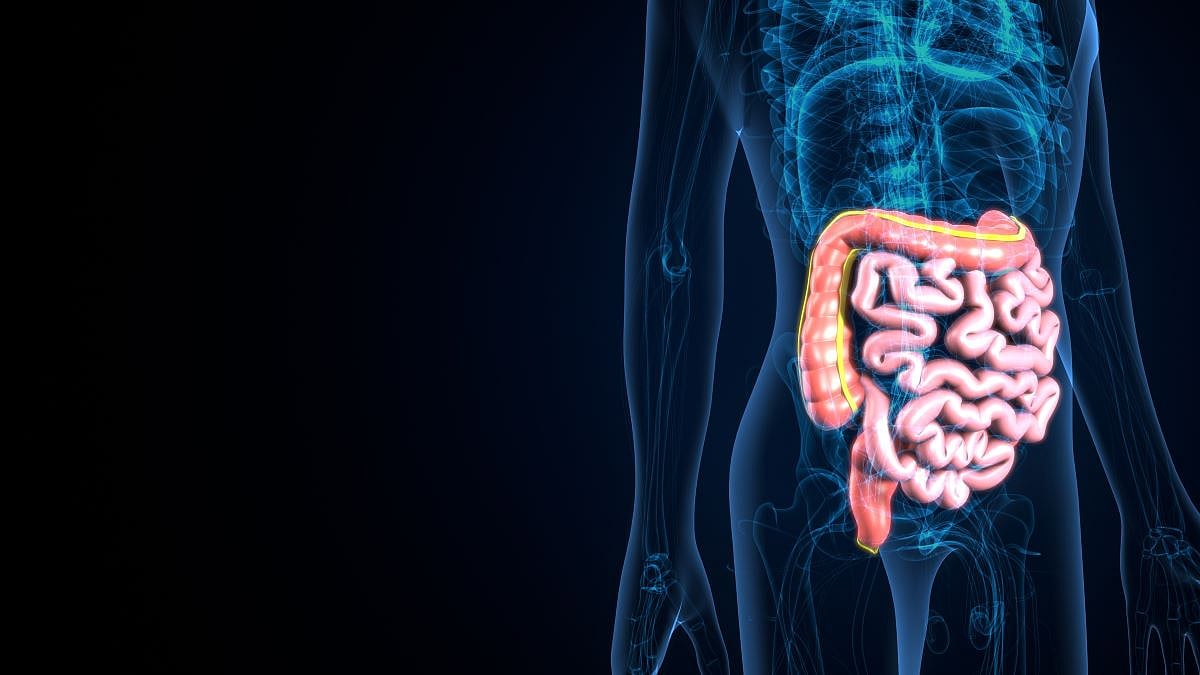 Family History of CRC Increases CRC Risk Similarly in IBD, General Population
 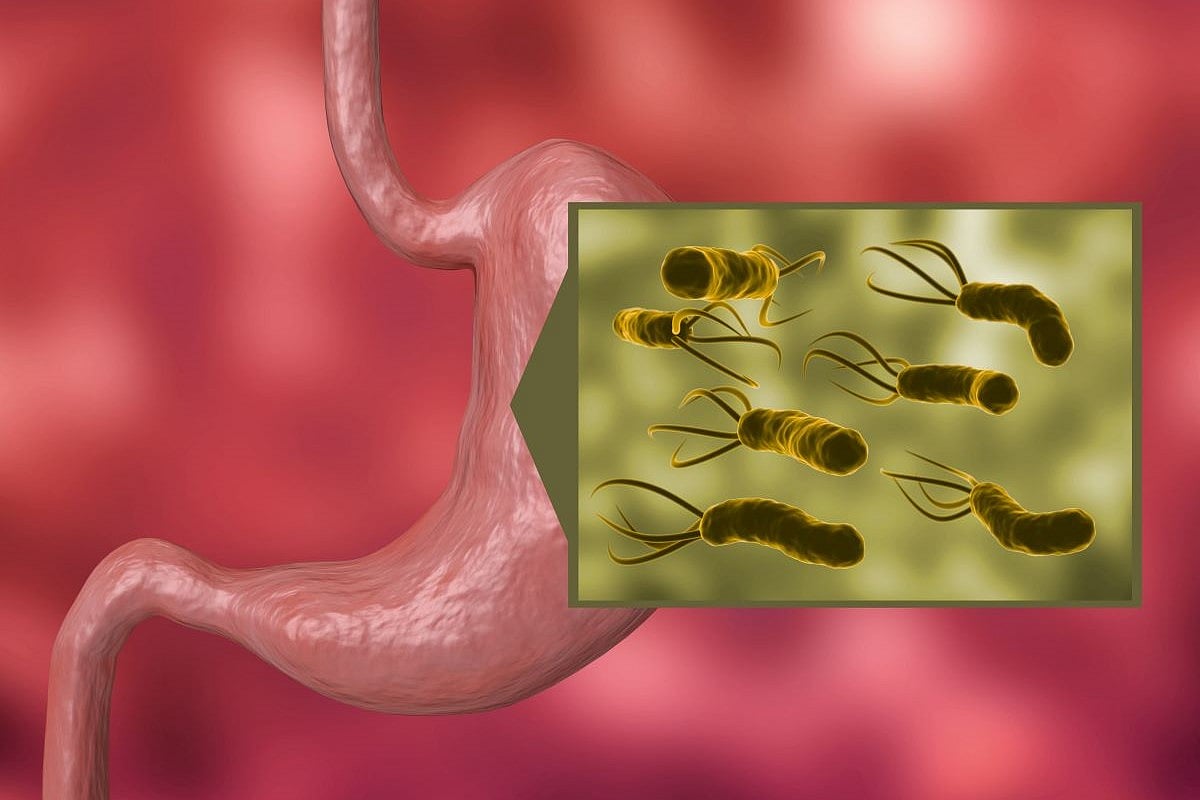 H. Pylori Exposure May Contribute to Global Burden of Colorectal Cancer
  Distinct Skin Microbiome Features Emerge Before Atopic Disease Onset in Infants
  Freshwater Swimming Tied to Stomach Bugs, Skin Conditions
  Couples" Coping Skills Help Reduce Depression in GI Cancer Survivors
 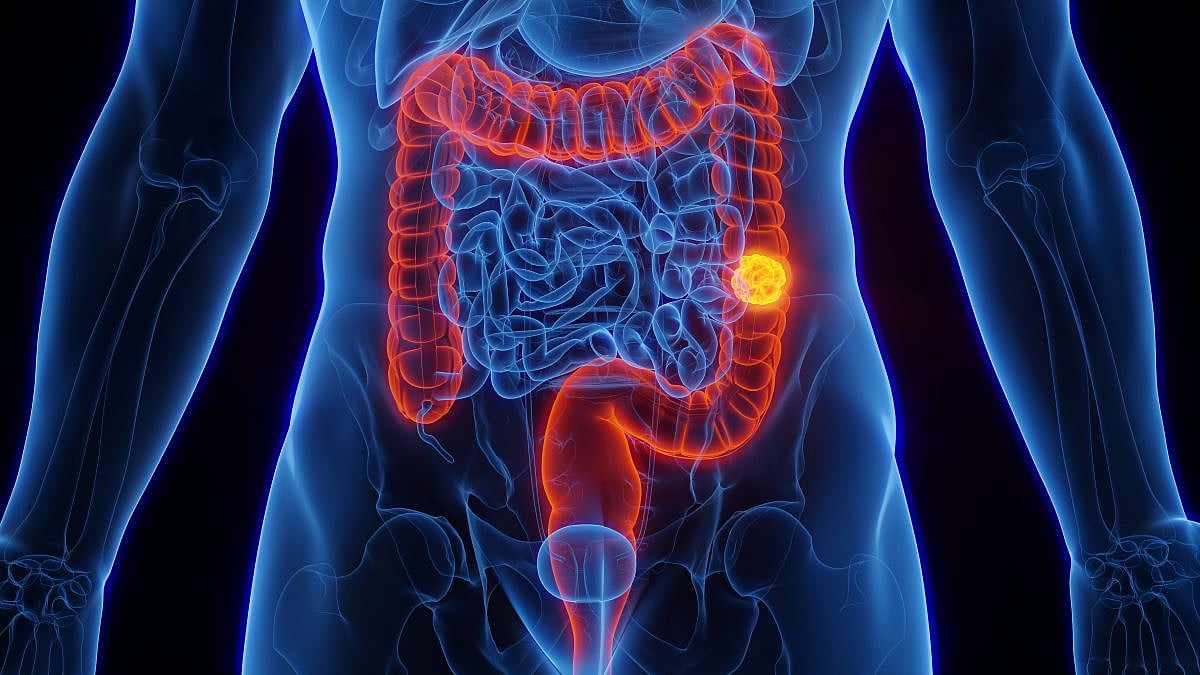 Organized, Biennial FIT-Based Screening Linked to Lower Colorectal Cancer Mortality


.jpg)

