


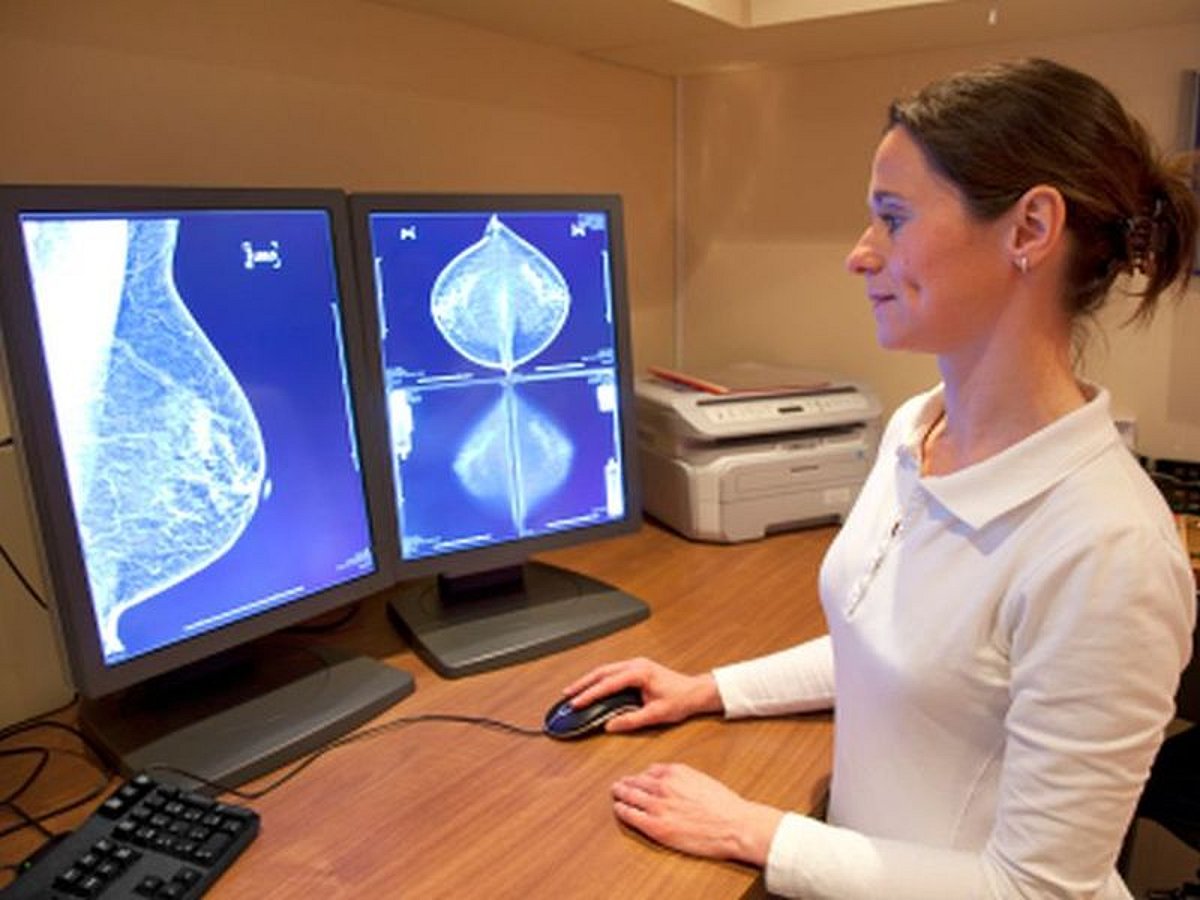
 Early initiation of breast cancer screening with MRI may reduce breast cancer mortality by more than half
TUESDAY, July 7, 2020 (HealthDay News) — For childhood cancer survivors, early initiation of breast cancer screening with magnetic resonance imaging (MRI) may reduce breast cancer mortality by more than half, according to a study published online July 7 in the Annals of Internal Medicine.
Jennifer M. Yeh, Ph.D., from Harvard Medical School in Boston, and colleagues compared the benefits, harms, and cost-effectiveness of breast cancer screening strategies in childhood cancer survivors in a collaborative simulation model using two Cancer Intervention and Surveillance Modeling network breast cancer models. The interventions were annual MRI with or without mammography, starting at age 25, 30, or 35 years for women with a history of chest radiotherapy.
The researchers found that in the base-case analysis, the lifetime breast cancer mortality risk was 10 to 11 percent across models without screening. Starting screening at age 25 years, annual MRI with mammography averted the most deaths (56 to 71 percent) and annual MRI without mammography averted 56 to 62 percent of deaths compared with no screening. Screening beginning at age 30 years was preferred for an incremental cost-effectiveness ratio threshold of less than $100,000 per quality-adjusted life-year gained. In a sensitivity analysis, the benefit of adding mammography to MRI increased in both models assuming lower screening performance, although the conclusions about starting age were unchanged.
“Identifying effective policies and interventions to reduce barriers to screening should be a priority for policymakers to ensure comprehensive and coordinated care for these high-risk survivors,” the authors write.
Abstract/Full Text (subscription or payment may be required)
 EHR-Enabled QI Intervention Improves Chlamydia, Gonorrhea Screening in Teens
 Genetic Screening Can ID Hemoglobinopathy Prevalence
 Obesity Linked to Early-Onset Cancer Risk in Young Adults
 Early Survivorship Care Linked to Improved Outcomes in Head, Neck Cancer
 Exercise Intervention Linked to Improved Attention, Memory in Breast Cancer
.jpg) Cancer Survivors Have Lower Levels of Physical Activity
 Childhood Cancer Survivors Often Have Mental Distress in Adulthood
 Blinatumomab Improves Event-Free Survival in Children With High-Risk B-Cell ALL


.jpg)


