


 Findings in American-Indians with type 2 diabetes and urine albumin/creatinine ratio <300 mg/g
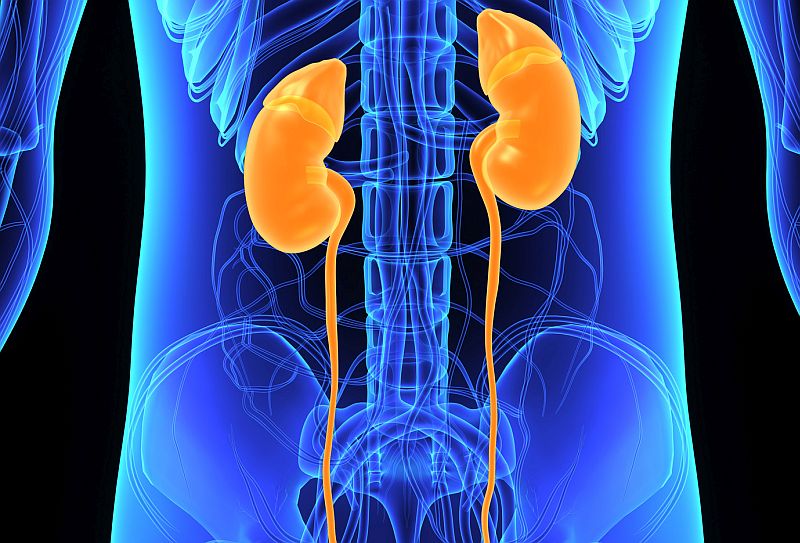
FRIDAY, Sept. 16, 2016 (HealthDay News) — For American-Indians with type 2 diabetes, early administration of losartan does not slow progression of glomerular filtration rate (GFR) decline, according to a study published online Sept. 9 in Diabetes Care.
Stephanie K. Tanamas, Ph.D., from the National Institutes of Health in Phoenix, and colleagues examined whether early administration of losartan slows progression of kidney disease in a six-year trial in 169 American-Indians with type 2 diabetes. Participants with urine albumin/creatinine ratio <300 mg/g were randomized to receive losartan or placebo (84 and 85, respectively). The primary outcome was a reduction in GFR to ≤60 mL/min or half the baseline value (for those who entered with GFR <120 mL/min). Participants were followed for up to 12 years post-trial, with treatment managed outside the study.
The researchers found that treatment with renin-angiotensin system inhibitors was equivalent in both groups after completion of the clinical trial. During a median of 13.5 years following randomization, 29 and 35 participants originally assigned to losartan and placebo, respectively, reached the primary GFR outcome, with a hazard ratio of 0.72 (95 percent confidence interval, 0.44 to 1.18).
“We found no evidence of an extended benefit of early losartan treatment on slowing GFR decline in persons with type 2 diabetes,” the authors write.
The study was funded in part by Merck, which provided the study drug and placebo tablets.
.jpg) Pregnancy Complications Linked to Subsequent Risk for Cardiometabolic-Renal Conditions
Pregnancy Complications Linked to Subsequent Risk for Cardiometabolic-Renal Conditions  GLP-1 Receptor Agonists, SGLT-2is Slow Renal Function Decline in T2D With Albuminuria
 .jpeg) 1997 to 2022 Saw Increase in Pediatric Hospitalizations With AKI
1997 to 2022 Saw Increase in Pediatric Hospitalizations With AKI  Early Complications Common in Older Kidney Transplant Recipients
  Implant, Patient Survival Do Not Differ for Robotic and Conventional Total Joint Replacement
  Physical Therapist-Supervised Exercise Improves Outcomes After ACL Reconstruction
  Frailty Linked to Incident Cognitive Decline in Men With CKD
  UACR, UPCR Provide Indistinguishable Prognostic Information in CKD

.jpg)

