Genotype by education interaction identified for five genetic variants, with increased effect for university-level education
TUESDAY, Nov. 22, 2022 (HealthDay News) — Education interacts with genetic variants to confer susceptibility to myopia, according to a study published online Nov. 17 in PLOS Genetics.
Rosie Clark, Ph.D., from Cardiff University in the United Kingdom, and colleagues aimed to identify genetic variants that interact with education level to confer susceptibility to myopia in a study involving two groups of unrelated participants of European ancestry from the U.K. Biobank. A stage I sample included 88,334 participants whose refractive error was measured by autorefraction, and a stage II sample included 252,838 participants who self-reported their age of onset of spectacle wear. Genetic variants were prioritized in a two-step screening process using the stage I sample: a genome-wide association study and a variance heterogeneity analysis for refractive error. In the stage II sample, genotype-by-education interaction tests were performed.
The researchers found that 25 genetic variants were prioritized in the two-step screening strategy in the stage I sample. Nineteen of the 25 variants (76 percent) demonstrated evidence of variance heterogeneity in the stage II sample. Evidence of a genotype-by-education interaction in the stage II sample and consistent evidence of a genotype-by-education interaction in the stage I sample was identified for five genetic variants located near GJD2, RBFOX1, LAMA2, KCNQ5, and LRRC4C. For all five variants, there was an association for university-level education with an increased effect of the risk allele.
“Building on our previous research linking education and myopia, the new study identifies five genes associated with myopia development whose effects are amplified by additional years spent in education,” a coauthor said in a statement.
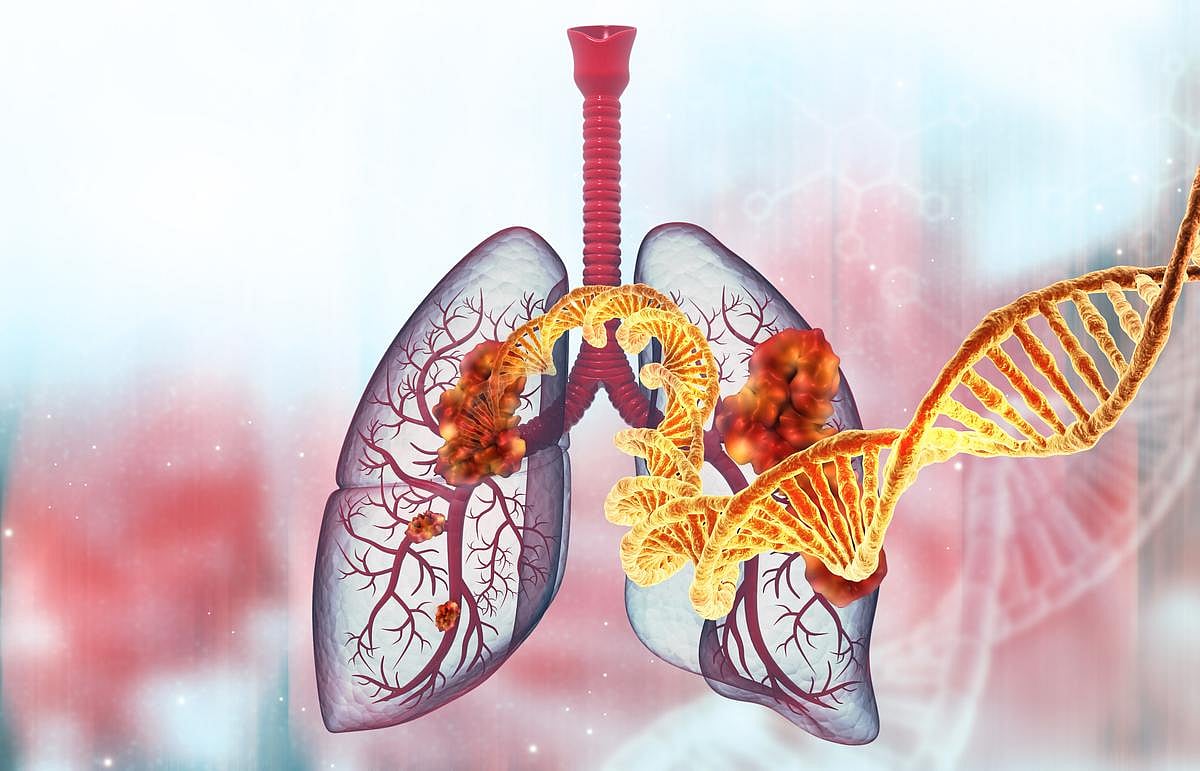 Gene Mutation Identified That Increases Lung Cancer Risk
  Socioeconomic Status Linked to Mortality After Acute Hip Fracture Surgery
 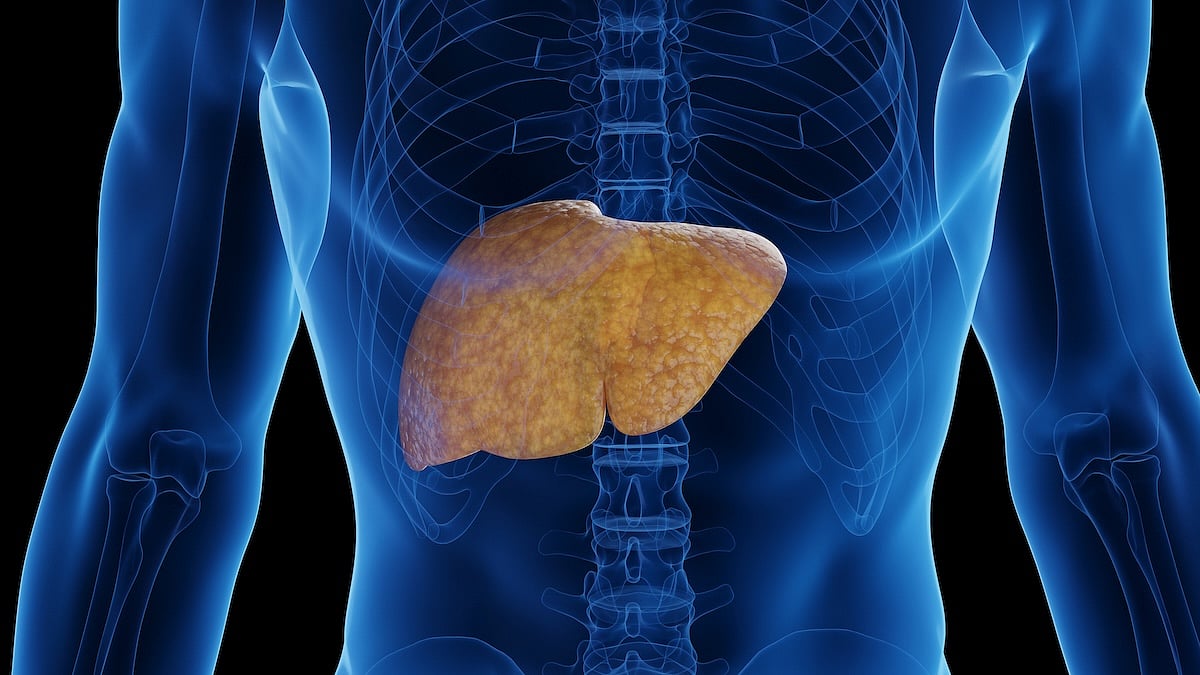 Genetics, Diabetes Tied to MASLD-Associated Cirrhosis Before Age 50
 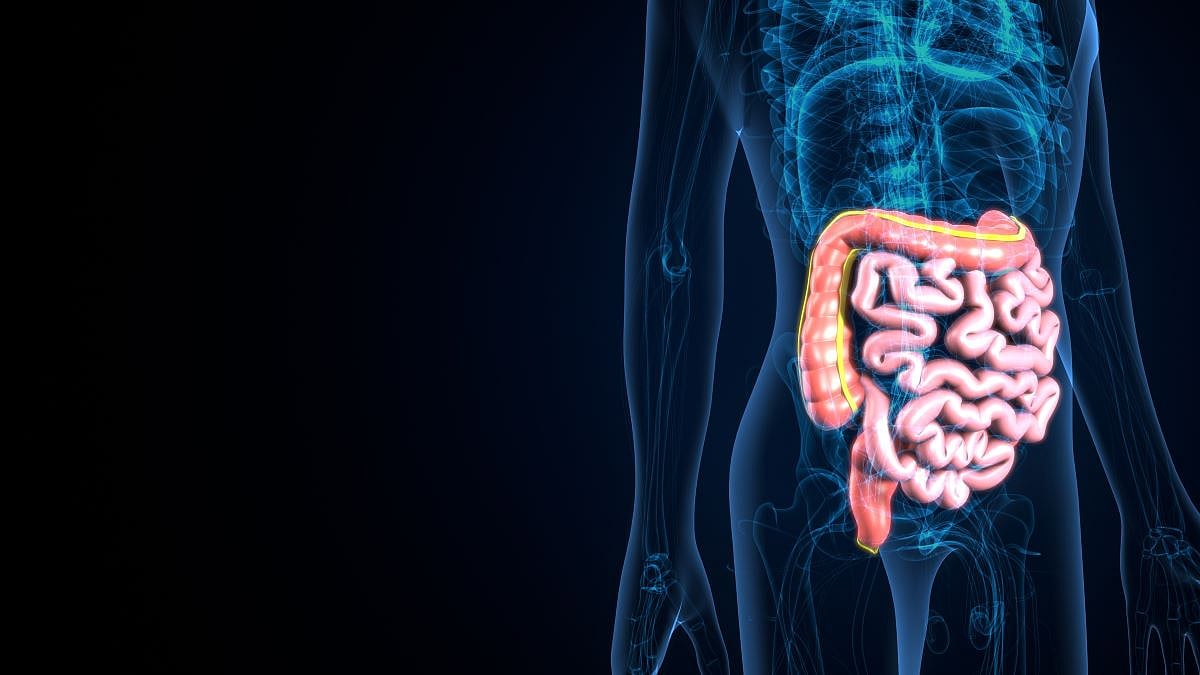 Family History of CRC Increases CRC Risk Similarly in IBD, General Population
  Serum 25(OH)D May Serve as Biomarker of Disease Activity in IBD
  Surveillance Colonoscopy at Five Years After Adenoma Removal Noninferior to Three Years
 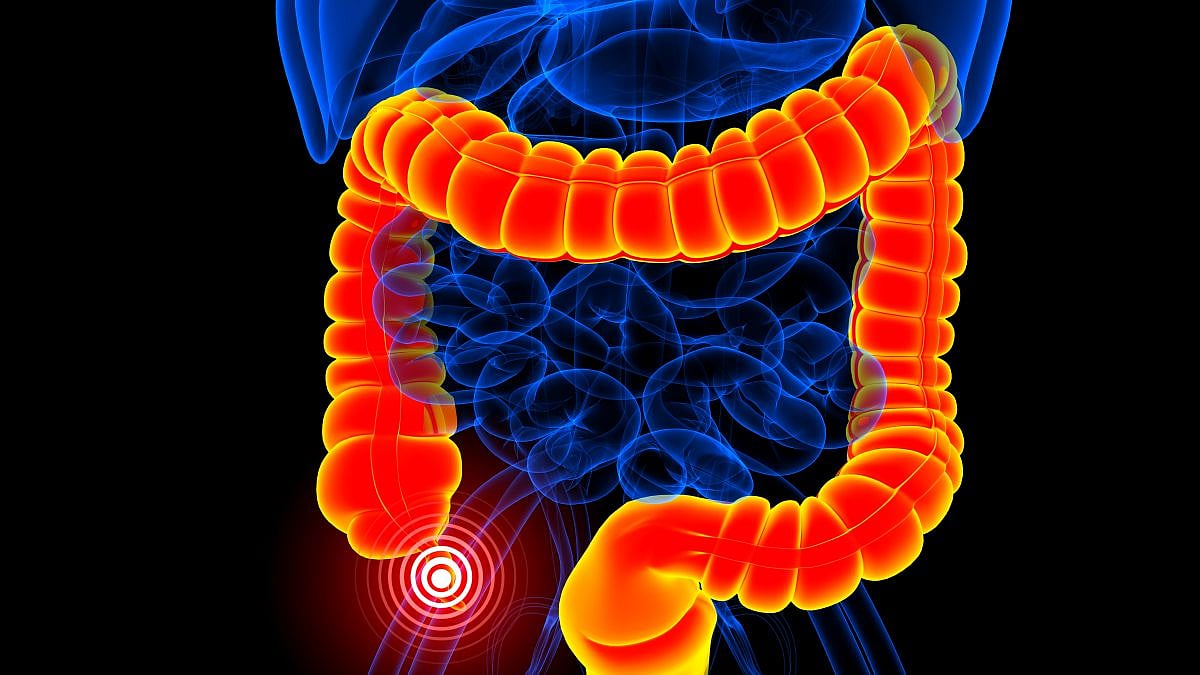 Relapse Rare After Appendiceal Adenocarcinoma Resection
 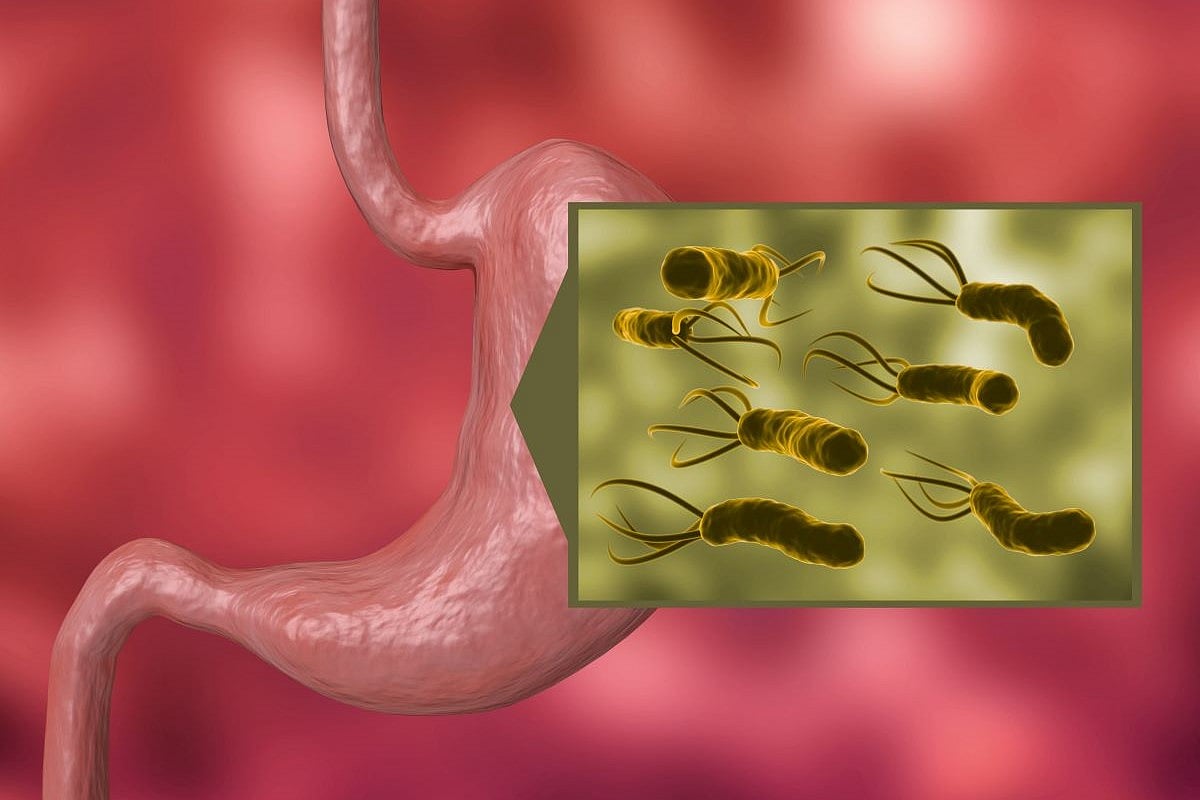 H. Pylori Exposure May Contribute to Global Burden of Colorectal Cancer
.jpg)