



Unlike people with obesity, lean individuals may not experience health benefits with intentional weight loss
THURSDAY, Oct, 6, 2022 (HealthDay News) — The impact of weight loss strategies on weight change and diabetes risk may vary by baseline body weight, according to a study published online Sept. 27 in PLOS Medicine.
Keyi Si, from the Harvard T. H. Chan School of Public Health in Boston, and colleagues examined associations of weight loss strategies with weight change and type 2 diabetes (T2D) risk among U.S. health professionals. The analysis included 93,110 participants (24 to 60 years old; 11.6 percent men) in the Nurses’ Health Study (NHS), NHSII, and Health Professionals Follow-Up Study who were free of T2D, cardiovascular disease, and cancer at baseline.
The researchers found that the associations of weight loss strategy with weight change and T2D risk significantly differed by baseline body weight. Among individuals with obesity, several weight loss strategies were associated with less weight gain, with exercise being effective for reducing T2D risk as well. Among overweight people, a pattern was less clear, with weight change declining with exercise but increasing for fasting, commercial weight loss program, or diet pills. Similarly, for T2D, risk tended to decrease with exercise but increased with diet pills. Lean individuals who intentionally lost weight tended to gain more weight with fasting, a commercial weight loss program, or diet pills and had a higher diabetes risk with diet pills.
“These data suggest that the use of weight loss methods for achieving weight loss should be guided by medical or health indications,” the authors write.
One author disclosed financial ties to the pharmaceutical and nutrition industries.
 2018 to 2025 Saw Sharp Rise in Postpartum GLP-1 Receptor Agonist Use
 .jpg) Pregnancy Complications Linked to Subsequent Risk for Cardiometabolic-Renal Conditions
Pregnancy Complications Linked to Subsequent Risk for Cardiometabolic-Renal Conditions  GLP-1 Receptor Agonists, SGLT-2is Slow Renal Function Decline in T2D With Albuminuria
 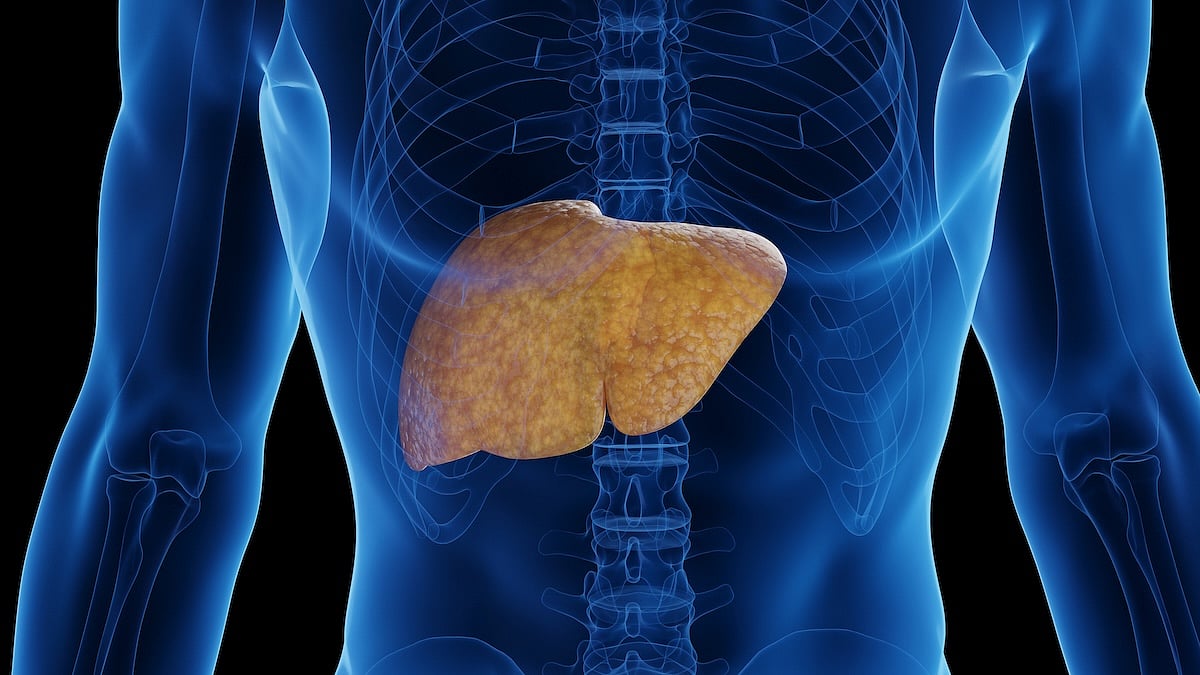 Genetics, Diabetes Tied to MASLD-Associated Cirrhosis Before Age 50
  Steatotic Liver Disease Risk Scores Compared for Predicting Cirrhosis
  Cirrhosis Can Recur After Liver Transplant
 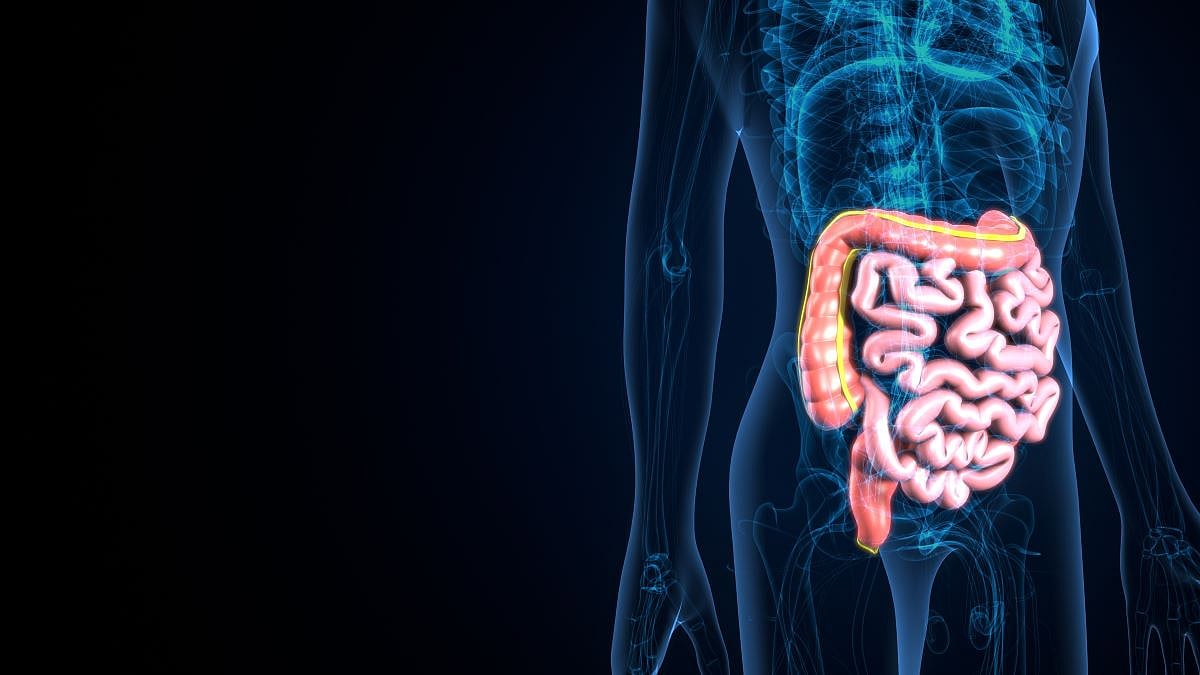 Family History of CRC Increases CRC Risk Similarly in IBD, General Population
  Study IDs Risk Factors for Ketoacidosis in Adults With T2D Receiving SGLT2 Inhibitors


.jpg)

