


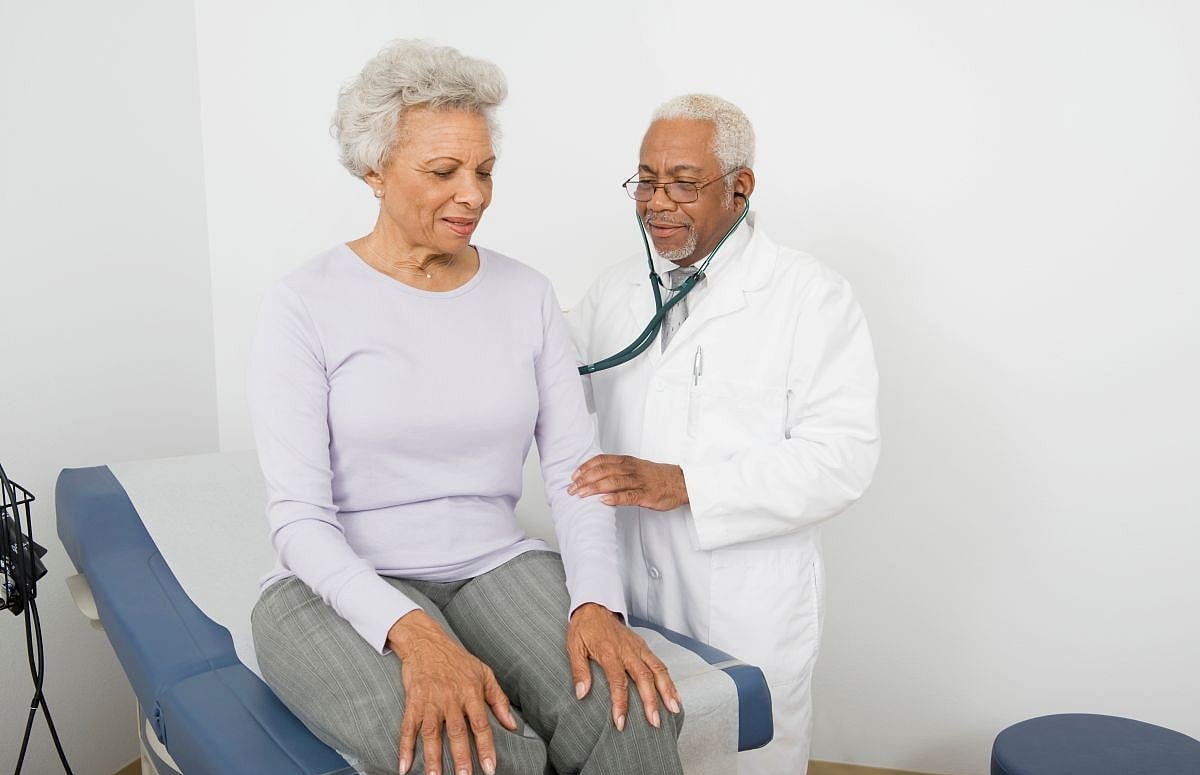
Benefits seen for dyspnea severity, health status, and care dependency
TUESDAY, Sept. 8, 2026 (HealthDay News) — Pursed-lip breathing exercises (PLBE) and laughter therapy (LT) significantly reduce dyspnea severity and improve health status in patients with chronic obstructive pulmonary disease (COPD), according to a study presented at the annual congress of the European Respiratory Society, held from Sept. 5 to 9 in Barcelona, Spain.
Goncagul Aldan, Ph.D., from Hacettepe University in Ankara, Turkey, and colleagues examined the effects of PLBE and LT on dyspnea severity, health status, and care dependency in patients with COPD. The analysis included 63 participants randomly assigned to PLBE (21 individuals), LT (21 individuals), or an attention-matched control group (21 individuals) receiving face-to-face education.
The researchers found that at week 8, dyspnea scores were significantly higher in the control group than in the PLBE and LT groups (δ = 0.474; δ = 0.512). These differences persisted at week 12 (δ = 0.415; δ = 0.390). The control group also had a higher COPD Assessment Test at week 8 (δ = 0.453; δ = 0.510). There were no significant between-group differences in care dependency at any time point.
“These findings offer hope that simple, low-cost techniques which patients can practice at home — without any equipment or specialist support — may reduce breathlessness and improve daily well-being,” Aldan said in a statement.
 Use of SAMA, SABA Linked to Cardiovascular Events, Mortality in Asthma, COPD
  Adenotonsillectomy Tied to Increase in Respiratory Tract Infections in Children
  Fractional Exhaled Nitric Oxide Elevated in Pediatric Chest Tightness Variant Asthma
  Aerobic Training, Behavioral Interventions Both Clinically Improve Asthma Control
  Higher Diet Quality Linked to Improved Lung Function in Asthma, COPD
  Lung Disease More Common With Ulcerative Colitis Than Crohn Disease

.jpg)
.jpg)

