


.jpg)
Effects most pronounced for those living in economically disadvantaged conditions globally
WEDNESDAY, Dec. 10, 2025 (HealthDay News) — Excessive heat negatively impacts early childhood development, according to a global study published online Dec. 8 in the Journal of Child Psychology and Psychiatry.
Jorge Cuartas, Ph.D., from New York University in New York City, and colleagues examined the effects of ambient heat on early childhood development across six countries. The analysis included 19,607 children (age 3 and 4 years) from Georgia, Gambia, Madagascar, Malawi, Sierra Leone, and the State of Palestine participating in Multiple Indicators Cluster Surveys (2017 to 2020).
The researchers found that children exposed to average maximum temperatures above 32 degrees Celsius were less likely to be developmentally on track versus those exposed to cooler temperatures, even when adjusting for baseline average climatic conditions and other variables. These effects were most pronounced in literacy and numeracy skills. The negative impacts were particularly severe for children in economically disadvantaged households, those in urban areas, and those lacking access to adequate water and sanitation.
“We urgently need more research to identify the mechanisms that explain these effects and the factors that either protect children or heighten their vulnerability,” Cuartas said in a statement. “Such work will help pinpoint concrete targets for policies and interventions that strengthen preparedness, adaptation, and resilience as climate change intensifies.”
 Altered Markers of Ovarian Development Seen With Fetal Acetaminophen Exposure
  Autism Spectrum Disorder Diagnoses Increased for Females Since 2020
  Virtual Reality-Based Digital Defocus Vision Training May Aid Myopia in Children
  Freshwater Swimming Tied to Stomach Bugs, Skin Conditions
  Distinct Skin Microbiome Features Emerge Before Atopic Disease Onset in Infants
 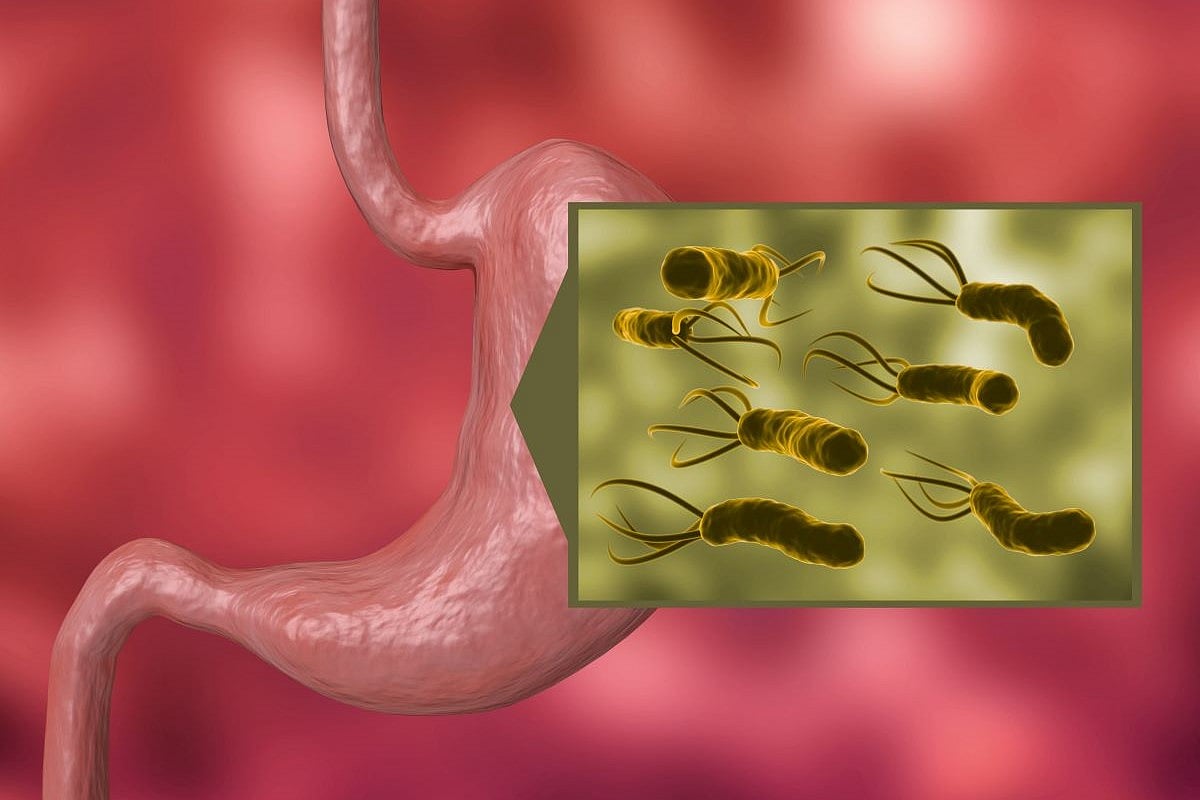 H. Pylori Exposure May Contribute to Global Burden of Colorectal Cancer
  About 1 in 20 Hospitalized U.S. Adults With Firearm Injuries Develop Bacterial Infections
  Considerable Global Disparities Found in Access to Dermatological Care



.jpg)
