


Factors include prior glucose level, type 2 diabetes duration, use of insulin only, use of insulin plus other meds, use of metformin only
THURSDAY, Jan. 12, 2023 (HealthDay News) — In a research article published online Jan. 4 in Clinical Epidemiology, long-term glycemia trajectories, which can be predicted by a combination of factors, are identified for patients with type 2 diabetes.
Piia Lavikainen, Ph.D., from the University of Eastern Finland in Kuopio, and colleagues extracted data covering primary and specialized health care for 9,631 patients with type 2 diabetes. Six-year hemoglobin A1c (HbA1c) trajectories were examined. To predict trajectory membership, a linear discriminant analysis and neural networks were applied.
Over six years, thee HbA1c trajectories were distinguished: stable, adequate; improving but inadequate; and fluctuating, inadequate glycemic control (86.5, 7.3, and 6.2 percent, respectively). The researchers found that the most important predictors for the long-term treatment balance were prior glucose levels, type 2 diabetes duration, use of insulin only, use of insulin and oral antidiabetic medications, and use of metformin only. Balanced accuracy was 85 percent for the prediction model, and the area under the receiver operating characteristic curve was 91 percent.
“Our findings suggest that heterogeneity in long-term treatment outcomes is predictable with [a] patient’s unique risk factors,” the authors write. “This, in turn, offers a useful tool to support treatment planning in the future. However, future studies are needed to obtain even more accurate and personalized predictions.”
.jpg) Pregnancy Complications Linked to Subsequent Risk for Cardiometabolic-Renal Conditions
 GLP-1 Receptor Agonists, SGLT-2is Slow Renal Function Decline in T2D With Albuminuria
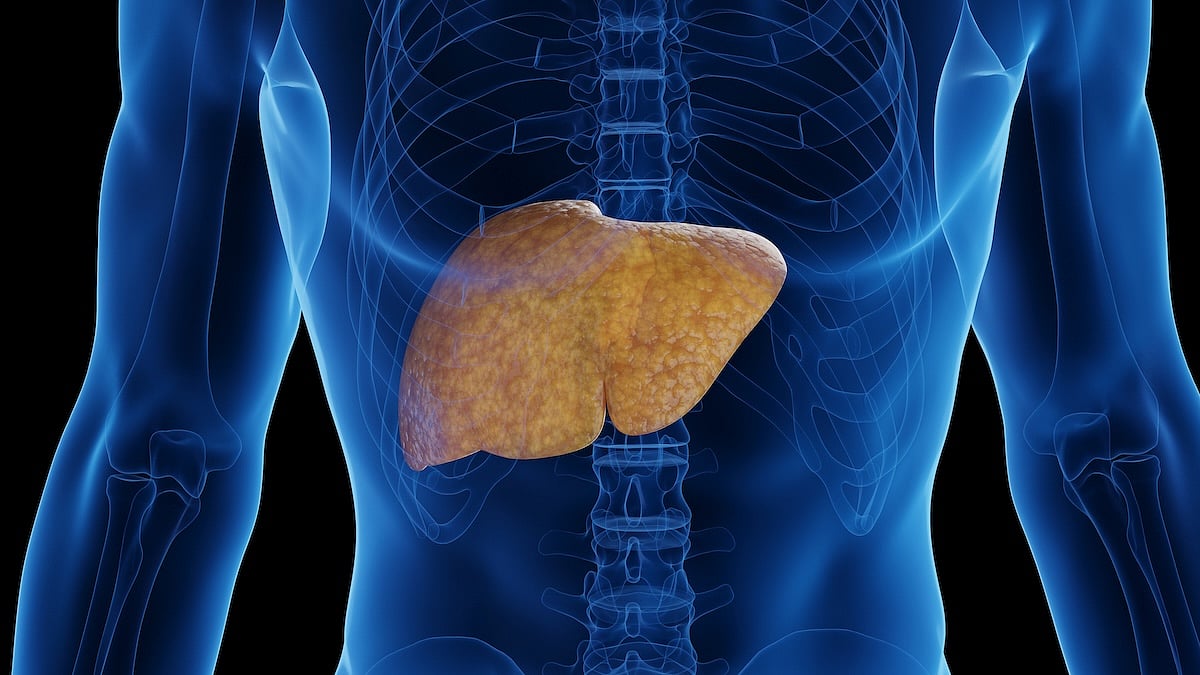 Genetics, Diabetes Tied to MASLD-Associated Cirrhosis Before Age 50
 Study IDs Risk Factors for Ketoacidosis in Adults With T2D Receiving SGLT2 Inhibitors
.jpg) Most Specialty Oral Anticancer Meds for Blood Cancers Are Initially Rejected by Insurers
 Drug Interactions Reducing Contraceptive Effectiveness Common in Epilepsy
 1 in 3 With Lupus Take Supplements, Medications With Potential for Interactions
 Holding DMARDs at Time of COVID-19 Vaccine Not Warranted in Those With Inflammatory Arthritis



