


Those presenting with fatigue early likely to see it persist
TUESDAY, Jan. 25, 2022 (HealthDay News) — Fatigue is prevalent and persistent in early rheumatoid arthritis (RA), according to a study published online Dec. 27 in Rheumatology.
Onosi Sylvia Ifesemen, M.B.B.S., from the University of Nottingham in the United Kingdom, and colleagues assessed the prevalence of, risk factors for, and longitudinal course of fatigue in early RA. The analysis included 1,236 participants (67 percent women; mean age, 57 years).
The researchers found that age- and sex-standardized prevalence rates of fatigue and severe fatigue were 44 and 19 percent, respectively. Over three years and five measurement occasions, fatigue changed little. Two subgroups — fatigue (53 percent) and no fatigue (47 percent) — were identified by group-based trajectory modeling. Fatigue group membership was predicted by female sex and worse pain, mental health, and functional ability (area under the receiver operating characteristics curve, 0.81). Swollen joint count and erythrocyte sedimentation rate were not significantly associated with fatigue.
“Fatigue is a prevalent symptom in RA, even in early disease. Those with fatigue at baseline were likely to continue to report fatigue at follow-up,” the authors write. “Management of fatigue might require interventions targeted at central mechanisms in addition to inflammatory disease modification. People who require such interventions might be identified at presentation with early RA.”
 Treatment Satisfaction Higher for Patients With RA Choosing Their Own Treatment
 Holding DMARDs at Time of COVID-19 Vaccine Not Warranted in Those With Inflammatory Arthritis
 Childhood Cancer Survivors Often Have Mental Distress in Adulthood
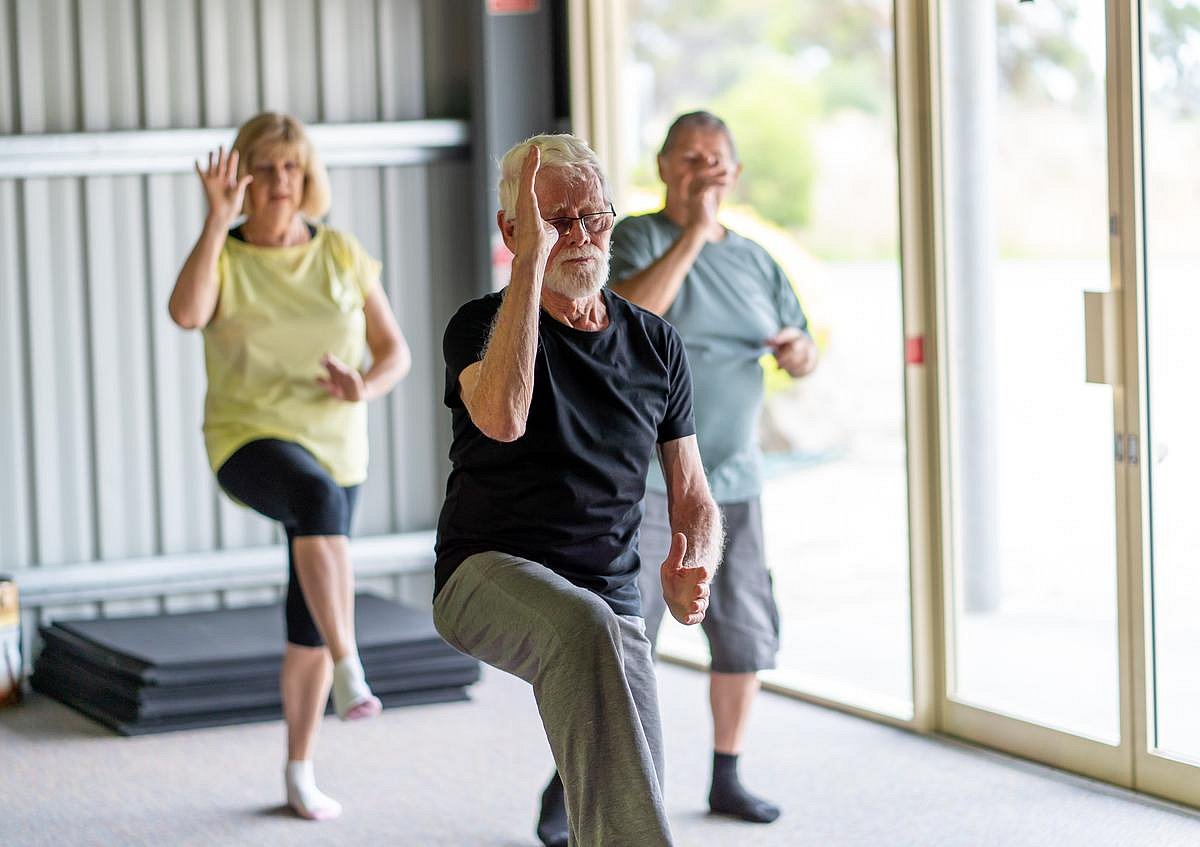 Mindfulness, Tai Chi May Benefit Cancer Survivors
.jpg) Most Specialty Oral Anticancer Meds for Blood Cancers Are Initially Rejected by Insurers
 Ultrasound-Guided Hydrodissection Yields Improvements in Carpal Tunnel
 Personalized Support Boosts Families" Genetic Testing for Hereditary Cancers
 Exercise Intervention Linked to Improved Attention, Memory in Breast Cancer





