


Follow-up colonoscopy rates were 43.3 percent within 90 days, 56.1 percent within 360 days of positive stool-based screening test result
FRIDAY, Jan. 20, 2023 (HealthDay News) — Among an average-risk population, follow-up colonoscopy (FU-CY) rates are low after a positive noninvasive stool-based screening test (SBT) for colorectal cancer, according to a study published online Jan. 18 in JAMA Network Open.
Jeff T. Mohl, Ph.D., from the American Medical Group Association in Alexandria, Virginia, and colleagues conducted a mixed-methods study including a retrospective analysis of deidentified administrative claims and electronic health records data between June 1, 2015, and June 30, 2021, as well as interviews with clinicians from five health care organizations to assess FU-CY rates after a positive SBT result. The cohort study included 32,769 individuals (mean age, 63.1 years).
The researchers found that the FU-CY rates were 43.3, 51.4, and 56.1 percent within 90, 180, and 360 days, respectively, of the positive SBT result. When interviewed, clinicians were uniformly surprised by the low FU-CY rates. There was variation observed in rates by race, ethnicity, insurance type, presence of comorbidities, and type of SBT used. The strongest positive association was seen with multitarget stool DNA use (hazard ratio, 1.63 relative to fecal immunochemical tests), and the strongest negative association was seen with the presence of comorbidities (hazard ratio, 0.64 for a Charlson Comorbidity Index >4 versus 0).
“At-home stool-based testing offers a useful tool to supplement routine colonoscopy and reach a wider patient population,” the authors write. “Nonetheless, it is important to emphasize that all positive SBTs must be followed by a timely colonoscopy to complete the screening paradigm.”
The study was funded by the Exact Sciences Corporation.
 Surveillance Colonoscopy at Five Years After Adenoma Removal Noninferior to Three Years
 Family History of CRC Increases CRC Risk Similarly in IBD, General Population
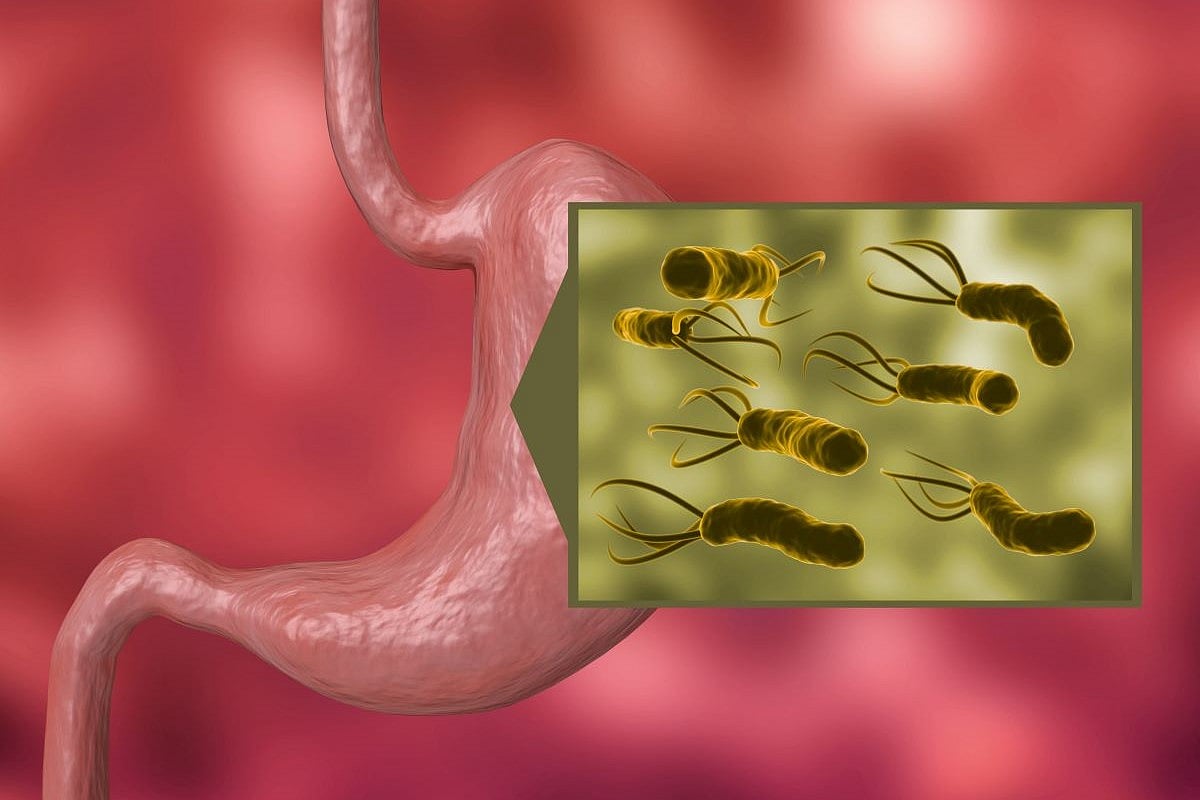 H. Pylori Exposure May Contribute to Global Burden of Colorectal Cancer
 Lower Breast, Cervical Cancer Screening Seen for Adults With Disabilities
 Gap Found Between Awareness of Breast Cancer Risk and Risk-Reducing Behavior
 Pre-Prostate Biopsy MRI Use Increased From 2017 to 2026
 Exercise Intervention Linked to Improved Attention, Memory in Breast Cancer
 Dense Breast Notification Linked to Increase in Use of Supplemental Ultrasound
.jpg)




