


Disparities still persist in follow-up rates, with largest disparities seen between Black and White patients, Medicaid dual- versus non-dual-eligible
MONDAY, Aug. 5, 2024 (HealthDay News) — Follow-up has improved for patients with acute myocardial infarction (AMI) and heart failure, but disparities persist in follow-up rates, according to a study published online Aug. 6 in the Annals of Internal Medicine.
Timothy S. Anderson, M.D., from the University of Pittsburgh, and colleagues describe trends and disparities in follow-up after AMI and heart failure hospitalizations in a retrospective cohort study. Data were included for 1,678,088 AMI and 4,245,665 heart failure hospitalizations.
The researchers found that from 2010 to 2019, there was an increase in the cardiology follow-up rate, from 48.3 to 61.4 percent for AMI hospitalizations and from 35.2 to 48.3 percent for heart failure hospitalizations. Follow-up rates increased for all subgroups for both conditions, but there was a worsening of disparities seen for Hispanic patients with AMI and for heart failure patients who were Asian, Black, Hispanic, Medicaid dual-eligible, and residents of counties with higher levels of social deprivation. The largest disparities by 2019 were between Black and White patients (51.9 versus 59.8 percent for AMI; 39.8 versus 48.7 percent for heart failure) and for Medicaid dual-eligible versus non-dual-eligible patients (AMI: 52.8 versus 60.4 percent; heart failure: 39.7 versus 49.4 percent). Differences between hospitals explained 7.3 and 7.7 percentage points of the variation in follow-up for AMI and heart failure, respectively.
“These findings indicate opportunities and challenges to equitably improving postdischarge care for all patients with AMI or heart failure,” the authors write.
Abstract/Full Text (subscription or payment may be required)
 Use of SAMA, SABA Linked to Cardiovascular Events, Mortality in Asthma, COPD
 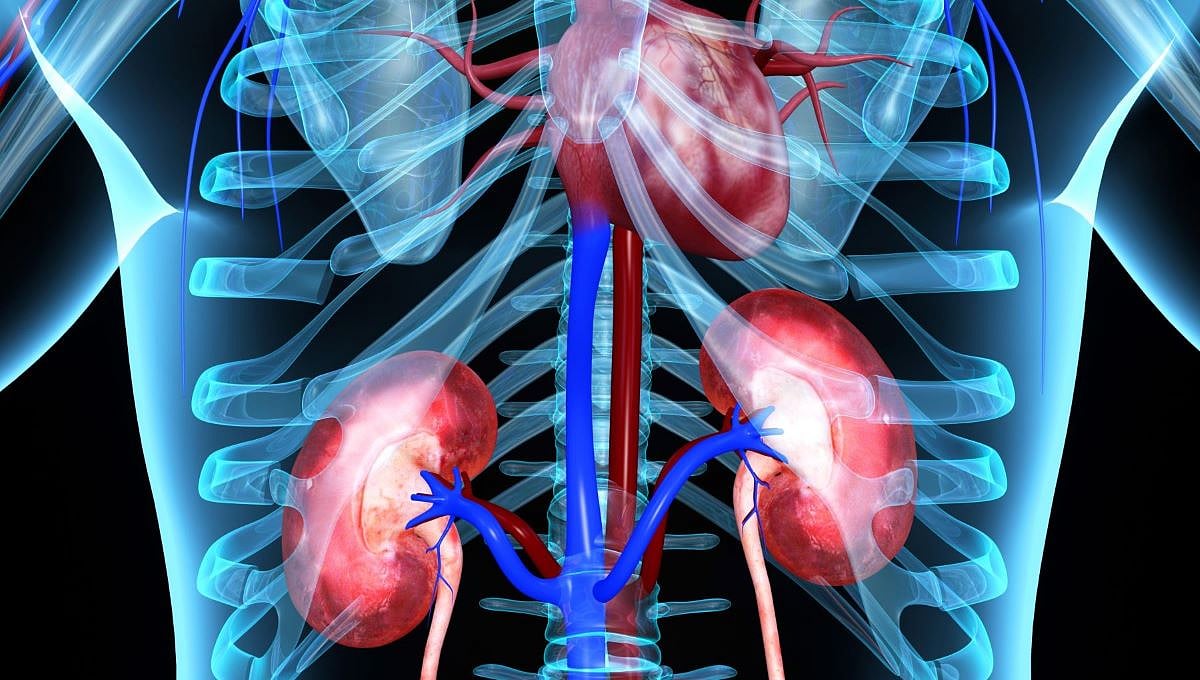 2011 to 2021 Saw Heart Failure-Related Hospitalization Rise in CKD
  Machine Learning Model IDs Heart Failure With Reduced Ejection Fraction Using Routine Lab Indicators
  Central Adiposity Reclassifies Cardiovascular Risk Across BMI Spectrum
  Retinal Imaging Can ID Atrial Fibrillation Years Before Diagnosis
  Smartwatches Significantly Overestimate How Many Calories Are Burned
  NOACs Linked to Slower Cognitive Decline in Patients With A-Fib, Alzheimer Disease
  Very Low-Carb Diet Shows Greater Cardiometabolic Benefits Than Other Diets




.jpg)