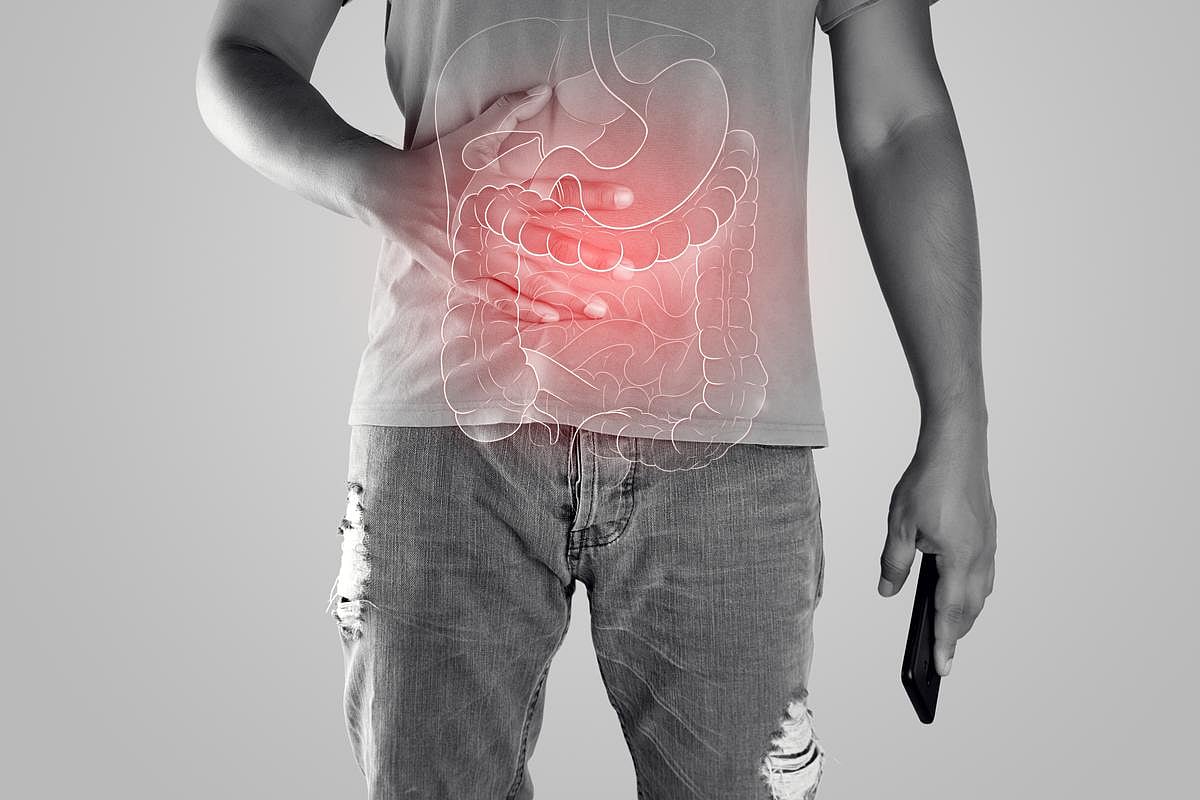
However, lean mass and absolute grip strength decline after surgery
WEDNESDAY, Feb. 6, 2019 (HealthDay News) — Relative muscle strength and physical function improve meaningfully after gastric bypass, according to a study recently published in the Journal of Clinical Endocrinology & Metabolism.
Diana Alba, M.D., from the University of California in San Francisco, and colleagues examined changes in body composition, strength, physical activity, and physical performance among 47 obese adults (37 women; mean age, 45 years) 12 months after Roux-en-Y gastric bypass.
The researchers found that participants experienced substantial 12-month decreases in total body weight (−37 kg, or 30 percent), fat mass (−48 percent of baseline), and total lean mass (−13 percent). There was a decline in mean absolute grip strength of 9 percent, but relative muscle strength increased by 32 percent (strength/body mass index) and 9 percent (strength/appendicular lean mass). For all physical performance measures, there were statistically and clinically significant postoperative improvements, including mean improvement in gait speed of >0.1 m/s and a decrease in 400-m walk time of nearly a full minute.
“Despite declines in lean mass and absolute muscle strength, relative muscle strength and physical performance significantly improve in morbidly obese adults following Roux-en-Y gastric bypass surgery,” the authors write.
 Most Metabolic and Bariatric Surgery Candidates Meet Criteria for Clinical Obesity
  Obesity Treatment for U.S. Adolescents and Young Adults Shifted Rapidly From 2022 to 2026
  3.2 Percent Undergoing Bariatric Surgery Develop New Alcohol-Related Diagnosis
  RYGB, Sleeve Gastrectomy Cost-Effective for Teens With Severe Obesity
  Nutritional Deficiencies Seen in Youth Taking GLP-1 Receptor Agonists
  Youth Suicide Risk Linked to Community Firearm Violence
  Trends Reported in Vaccination Coverage for Adolescents for 2025
  Social Media Warnings Could Discourage Use Among Teens, Young Adults