


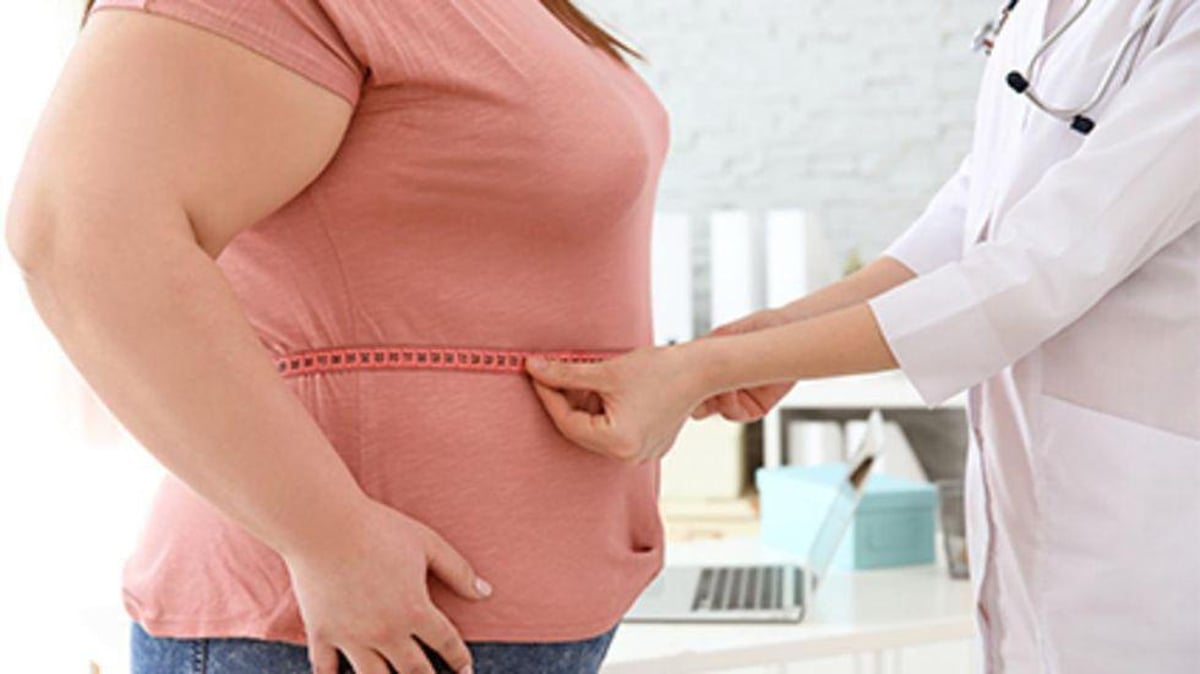
Observational and genetically predicted links seen between indices of obesity and female reproductive disorders
WEDNESDAY, Feb. 2, 2022 (HealthDay News) — Genetic analysis suggests that more research is needed to understand the potentially causal associations between obesity, metabolic hormones, and female reproductive disorders, according to a study published Feb. 1 in PLOS Medicine.
Samvida S. Venkatesh, from University of Oxford in the United Kingdom, and colleagues estimated observational and genetically predicted causal associations among obesity, metabolic hormones, and female reproductive disorders. The analysis included obesity and reproductive disease data from 257,193 women participating in the UK Biobank and publicly available genome-wide association studies.
The researchers found that body mass index (BMI), waist-to-hip ratio (WHR), and WHR adjusted for BMI were observationally (odds ratios [ORs], 1.02 to 1.87 per one standard deviation increase in obesity trait) and genetically (ORs, 1.06 to 2.09) associated with uterine fibroids (UF), polycystic ovary syndrome (PCOS), heavy menstrual bleeding (HMB), and preeclampsia. There was an association observed between genetically predicted visceral adipose tissue (VAT) mass and development of HMB (OR per 1-kg increase in predicted VAT mass, 1.32), PCOS (OR, 1.15), and preeclampsia (OR, 3.08). There was a higher genetic risk seen for development of these disorders and UF with increased waist circumference (ORs, 1.16 to 1.93) versus hip circumference (ORs, 1.06 to 1.10). Leptin, fasting insulin, and insulin resistance each mediated between 20 and 50 percent of the total genetically predicted association of obesity with preeclampsia.
“Our results suggest the utility of exploring the mechanisms mediating the causal associations of overweight and obesity with gynecological health to identify targets for disease prevention and treatment,” the authors write.
Several authors disclosed financial ties to the pharmaceutical industry.
 Effect of Preparation Techniques Before Embryo Transfer Appears to Be Limited
  Childhood Body Size Linked to Subsequent Reproductive Outcomes
  Primary Infertility Linked to Earlier Menopause
  Substantial Uptick Seen in Private Equity-Affiliated Fertility Clinics Since 2013
  Fertility Treatment at Older Ages Unlikely to Succeed With Patients" Eggs
  Wildfire Smoke Exposure Tied to Reduced Sperm Quality
  Few Women Return to Use Frozen Eggs
  Poverty, Social Disadvantage Linked to Lower Fecundability


.jpg)

