


Children with polygenic risk score for insomnia have more insomnia-related sleep problems between ages 1.5 and 15 years
WEDNESDAY, Nov. 8, 2023 (HealthDay News) — Children who are genetically predisposed to insomnia have more insomnia-like sleep problems from early childhood through adolescence, according to a study published online Nov. 8 in the Journal of Child Psychology and Psychiatry.
Desana Kocevska, M.D., Ph.D., from the Netherlands Institute for Neuroscience in Amsterdam, and colleagues assessed whether polygenic risk scores for insomnia (PRS-I) and sleep duration (PRS-SD) affect sleep throughout early childhood to adolescence in a study involving 2,458 children of European ancestry. Mothers reported insomnia-related items of the Child Behavior Checklist at the child”s age of 1.5, 3, and 6 years. The Sleep Disturbance Scale for Children and actigraphy were assessed in 975 children at 10 to 15 years.
The researchers found more insomnia-related sleep problems between 1.5 and 15 years among children with higher PRS-I. There was no association seen for PRS-SD with mother-reported sleep problems. A higher PRS-SD was associated with longer actigraphically estimated sleep duration and more wake after sleep onset, but after multiple testing corrections, these associations did not persist.
“The manifestation of genetic liability in sleep phenotypes early in life offers potential targets for early risk estimation, detection, prevention, and intervention, with possible long-term benefits,” the authors write.
 Insomnia Linked to Increased Risk for Stroke, Odds of Admission
 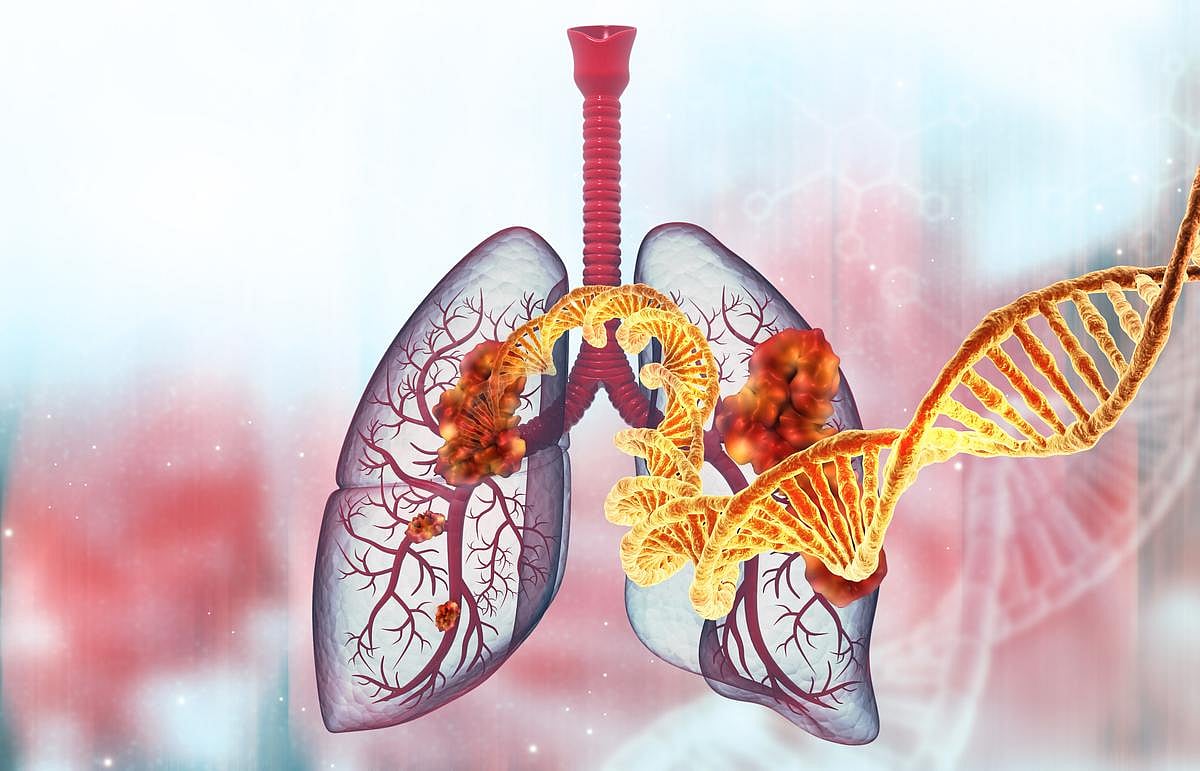 Gene Mutation Identified That Increases Lung Cancer Risk
  Genetics, Diabetes Tied to MASLD-Associated Cirrhosis Before Age 50
  Family History of CRC Increases CRC Risk Similarly in IBD, General Population
  Personalized Support Boosts Families" Genetic Testing for Hereditary Cancers
  Serum 25(OH)D May Serve as Biomarker of Disease Activity in IBD
  Surveillance Colonoscopy at Five Years After Adenoma Removal Noninferior to Three Years
  Relapse Rare After Appendiceal Adenocarcinoma Resection


.jpg)

