


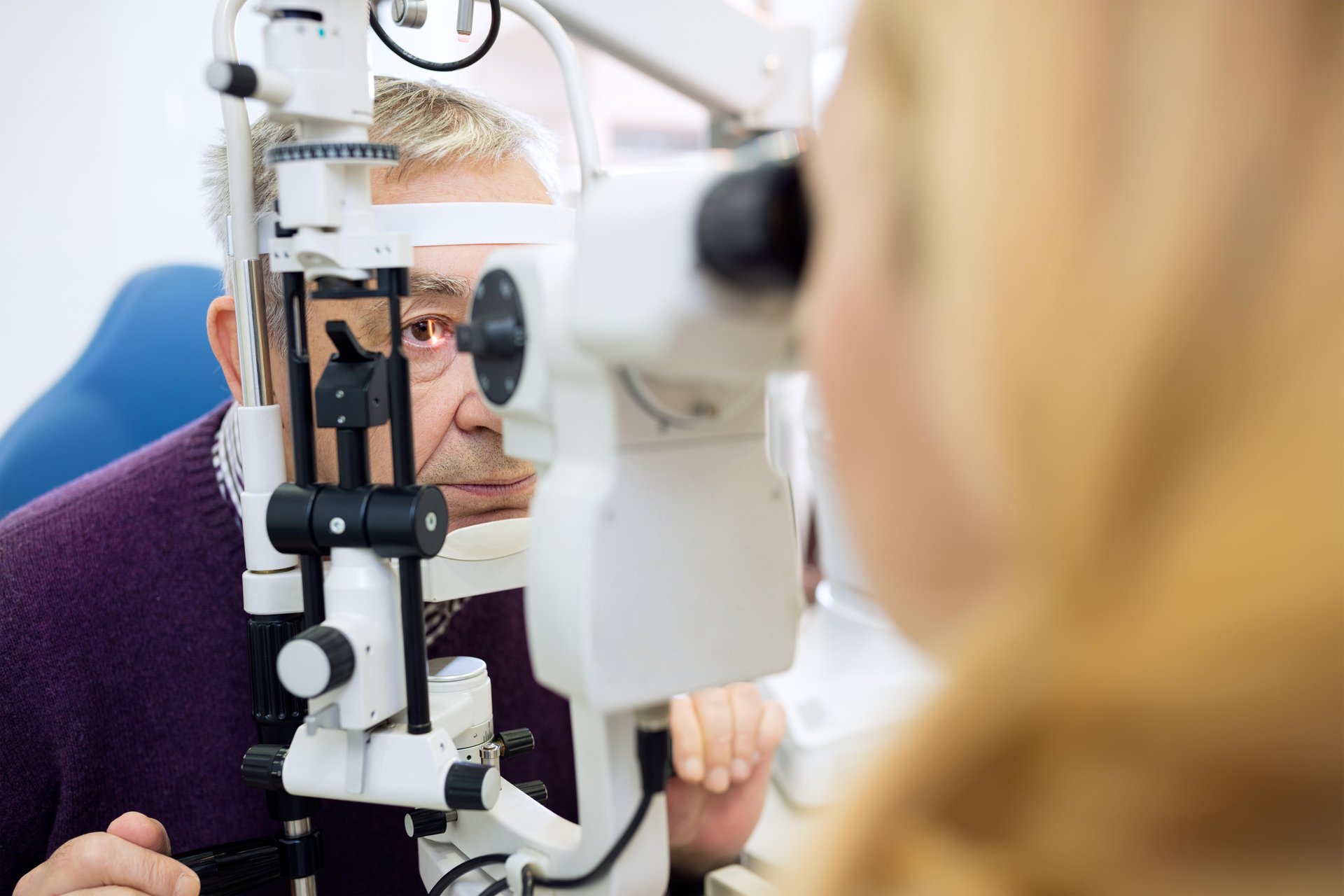
Heterozygous carriers of HMGCR predicted loss-of-function variants had higher risks for developing cataract, cataract surgery
WEDNESDAY, June 15, 2022 (HealthDay News) — Genetically proxied inhibition of the 3-hydroxy-3-methylglutaryl coenzyme A reductase (HMGCR) gene, which mimics statin treatment, is associated with increased risk of cataract, according to a study published online June 15 in the Journal of the American Heart Association.
Jonas Ghouse, M.D., Ph.D., from Copenhagen University Hospital in Denmark, and colleagues examined the association between genetically proxied inhibition of HMGCR and cataract risk. An HMGCR genetic score consisting of five common variants was constructed, weighted by their association with low-density lipoprotein cholesterol. Carriers of predicted loss-of-function mutations in HMGCR were identified by analysis of exome sequencing data and the association with cataract and cataract surgery was examined
The researchers found that a 38.7 mg/dL reduction in low-density lipoprotein cholesterol by the HMGCR genetic score was associated with an increased risk for cataract and cataract surgery in an analysis of >402,000 individuals. Thirty-two of 169,172 individuals with HMGCR sequencing data (0.02 percent) carried a rare HMGCR predicted loss-of-function variant. Heterozygous carriers of HMGCR predicted loss-of-function variants had increased risk of developing cataract and cataract surgery than noncarriers.
“We were able to establish a link between genetic variants that mimic inhibition of HMGCR and the development of cataracts,” Ghouse said in a statement. “We were not able to find any association between newer non-statin, lipid-lowering medications and cataract risk, so this effect is likely specific to statins.”
One author disclosed financial ties to the pharmaceutical industry.
 Statin Use Linked to Lower Risk for Glaucoma Incidence
 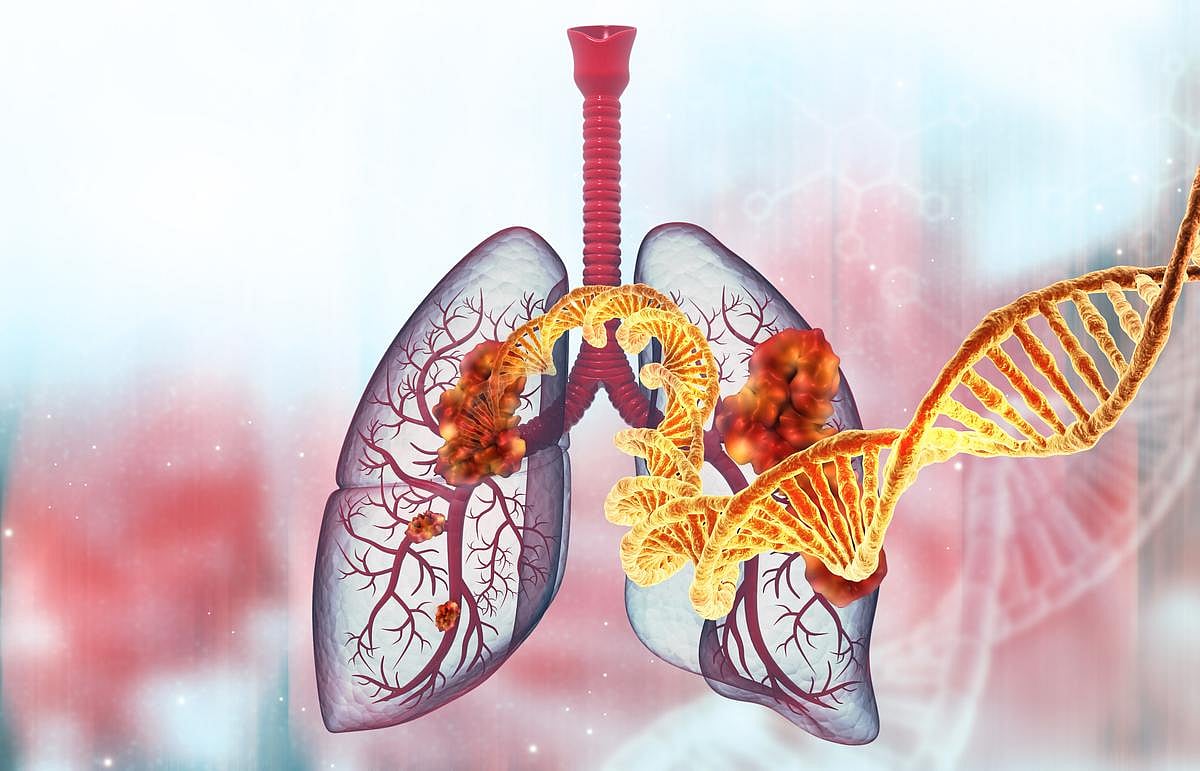 Gene Mutation Identified That Increases Lung Cancer Risk
 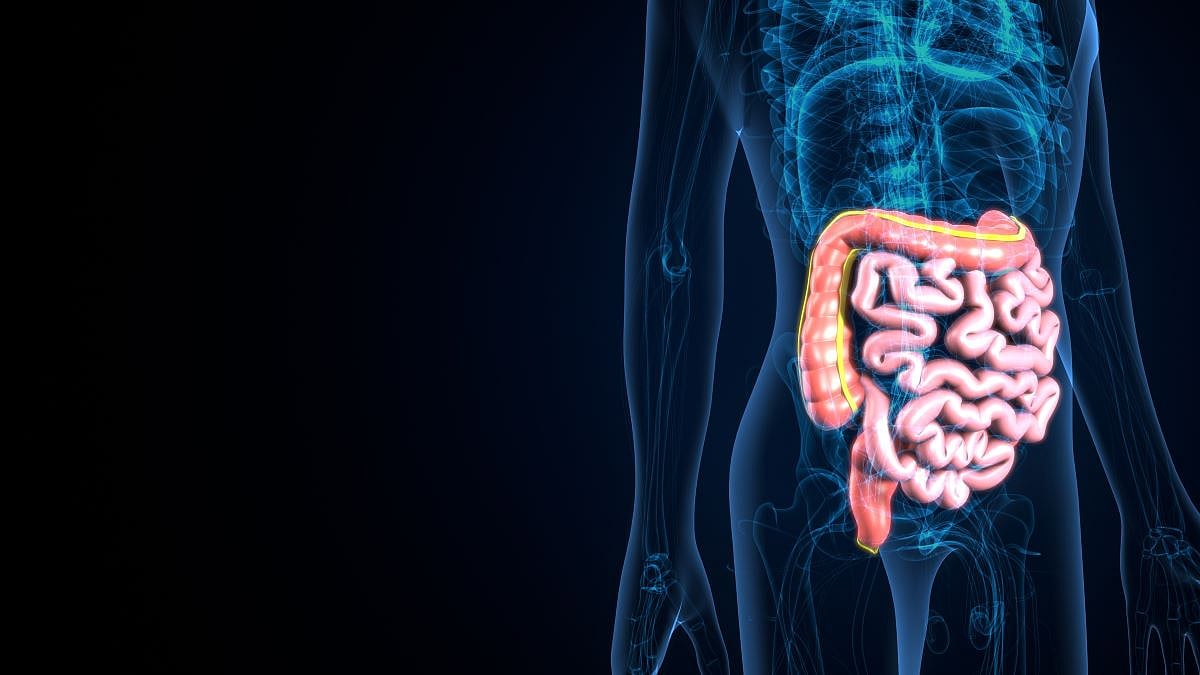 Family History of CRC Increases CRC Risk Similarly in IBD, General Population
 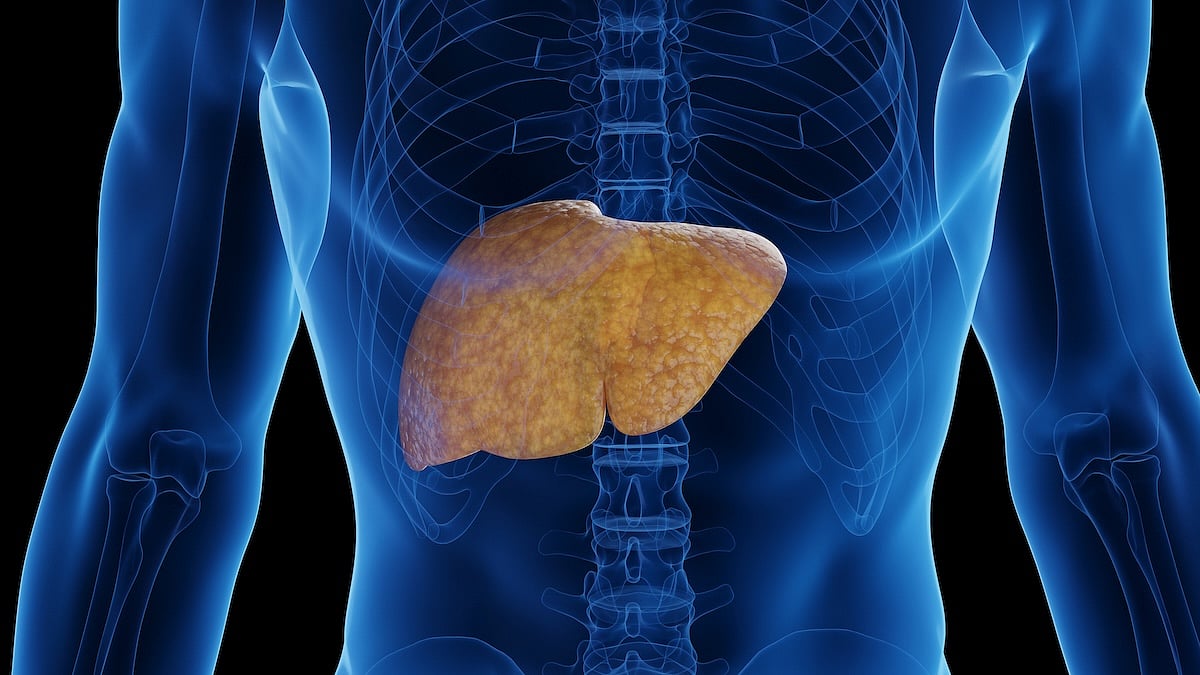 Genetics, Diabetes Tied to MASLD-Associated Cirrhosis Before Age 50
  GLP-1 Receptor Agonists, SGLT-2is Slow Renal Function Decline in T2D With Albuminuria
  Steatotic Liver Disease Risk Scores Compared for Predicting Cirrhosis
  Cirrhosis Can Recur After Liver Transplant
  Study IDs Risk Factors for Ketoacidosis in Adults With T2D Receiving SGLT2 Inhibitors


.jpg)

