


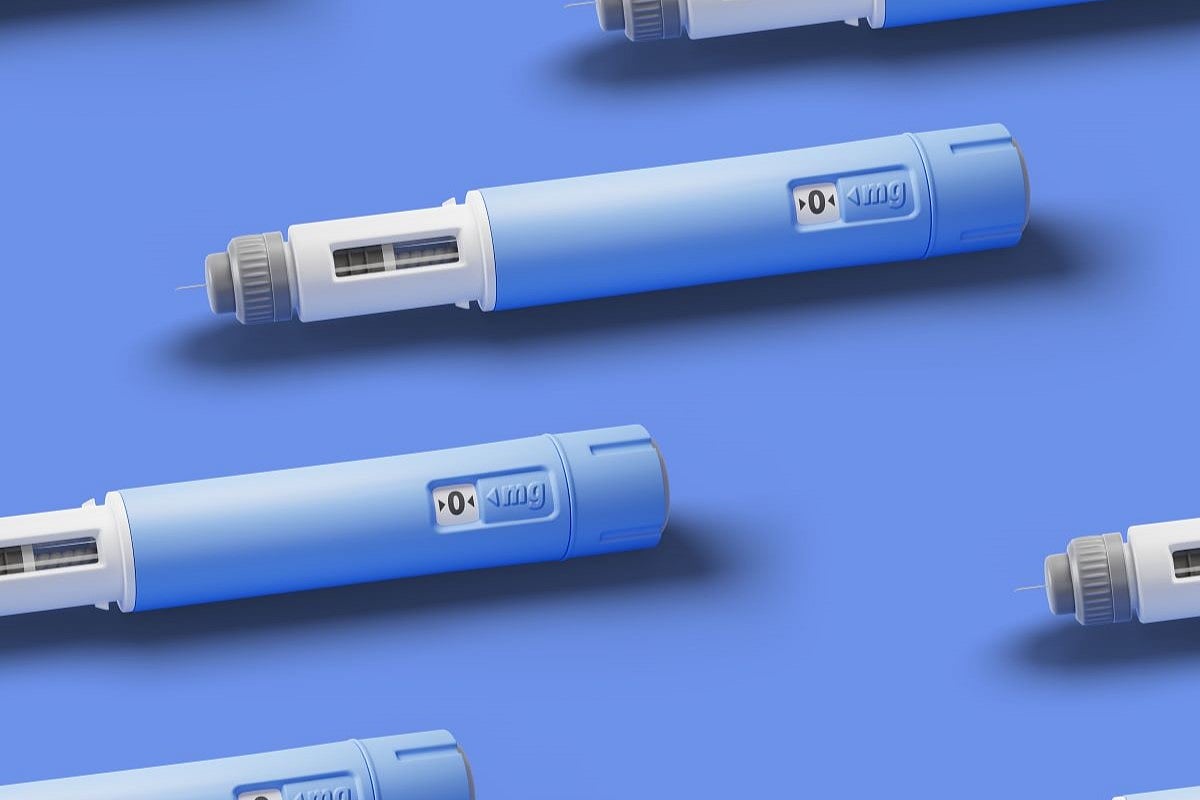
No comparative advantage of GLP-1 RA over SGLT2is or DPP4is observed in any of the subgroups
THURSDAY, July 16, 2026 (HealthDay News) — For veterans with type 2 diabetes (T2D) receiving basal insulin therapy, the addition of glucagon-like peptide-1 receptor agonists (GLP-1 RAs) does not increase the rate of insulin discontinuation compared with other glucose-lowering agents, according to a study published online July 14 in the Annals of Internal Medicine.
Kasia J. Lipska, M.D., from the Yale School of Medicine in New Haven, Connecticut, and colleagues compared rates of insulin discontinuation among veterans with T2D receiving basal insulin who initiated treatment with a GLP-1 RA, sodium-glucose cotransporter 2 inhibitor (SGLT2i), or dipeptidyl peptidase-4 inhibitor (DPP-4i) between 2020 and 2022 in a target trial emulation. Data were included for 8,869 matched sets of GLP-1 RA, SGLT2i, and DPP-4i initiators.
The researchers found that in the intention-to-treat analysis, 16.7, 17.9, and 17.1 percent of GLP-1 RA, SGLT2i, and DPP-4i initiators, respectively, discontinued insulin therapy over three years of follow-up (risk ratios, 0.93 [95 percent confidence interval, 0.86 to 1.01] and 0.98 [95 percent confidence interval, 0.87 to 1.09] for GLP-1 RA versus SGLT2i and DPP-4i, respectively). In a modified per-protocol analysis, results were not substantively different. With respect to insulin discontinuation, there was no comparative advantage for GLP-1 RAs over SGLT2is or DPP-4is in any of the subgroups.
“Although GLP-1 RAs remain valuable for their cardiovascular, renal, and weight benefits, their initiation alone does not seem to drive basal insulin discontinuation beyond that observed with other glucose-lowering agents,” the authors write.
Abstract/Full Text (subscription or payment may be required)
.jpg) Pregnancy Complications Linked to Subsequent Risk for Cardiometabolic-Renal Conditions
Pregnancy Complications Linked to Subsequent Risk for Cardiometabolic-Renal Conditions  GLP-1 Receptor Agonists, SGLT-2is Slow Renal Function Decline in T2D With Albuminuria
  Study IDs Risk Factors for Ketoacidosis in Adults With T2D Receiving SGLT2 Inhibitors
  Genetics, Diabetes Tied to MASLD-Associated Cirrhosis Before Age 50
  Steatotic Liver Disease Risk Scores Compared for Predicting Cirrhosis
  Cirrhosis Can Recur After Liver Transplant
  Family History of CRC Increases CRC Risk Similarly in IBD, General Population
  Relapse Rare After Appendiceal Adenocarcinoma Resection


.jpg)

