


 Decreased claudin-1 expression in bulb, second portion of duodenum in functional dyspepsia
MONDAY, May 8, 2017 (HealthDay News) — Gluten consumption impacts symptom onset in patients with functional dyspepsia (FD), according to a study published online April 28 in the Journal of Gastroenterology and Hepatology.
Lijun Du, from Zhejiang University in Hangzhou, China, and colleagues enrolled 101 patients newly diagnosed with FD and 31 asymptomatic controls in a prospective study. Self-reported questionnaires were used to evaluate specific FD symptoms and gluten consumption patterns. Immunohistochemistry was used to assess expression of tight junction protein (claudin-1) and presence of intraepithelial lymphocyte (IEL) infiltration in the bulb and second portion of the duodenum (D1 and D2, respectively).
The researchers found that in patients with FD versus controls, wheat bun consumption had higher frequency (P = 0.047) and increased average consumption (P = 0.01) scores. Early satiety correlated with increased wheat bun consumption frequency score among the patients with FD. Compared with controls, among patients with FD, claudin-1 expression was decreased in D1 (P = 0.003) and D2 (P < 0.001) on histologic evaluation, while duodenal IEL counts were increased in D1 and D2 (both P < 0.001). Among patients with FD there was a correlation between Helicobacter pylori infection and increased IELs in D1 (P = 0.001).
“Among patients with FD, gluten-rich food may lead to symptom onset, specifically early satiety,” the authors write.
 People With ADHD Experience 50 Percent More GI Symptoms
  Relapse Rare After Appendiceal Adenocarcinoma Resection
 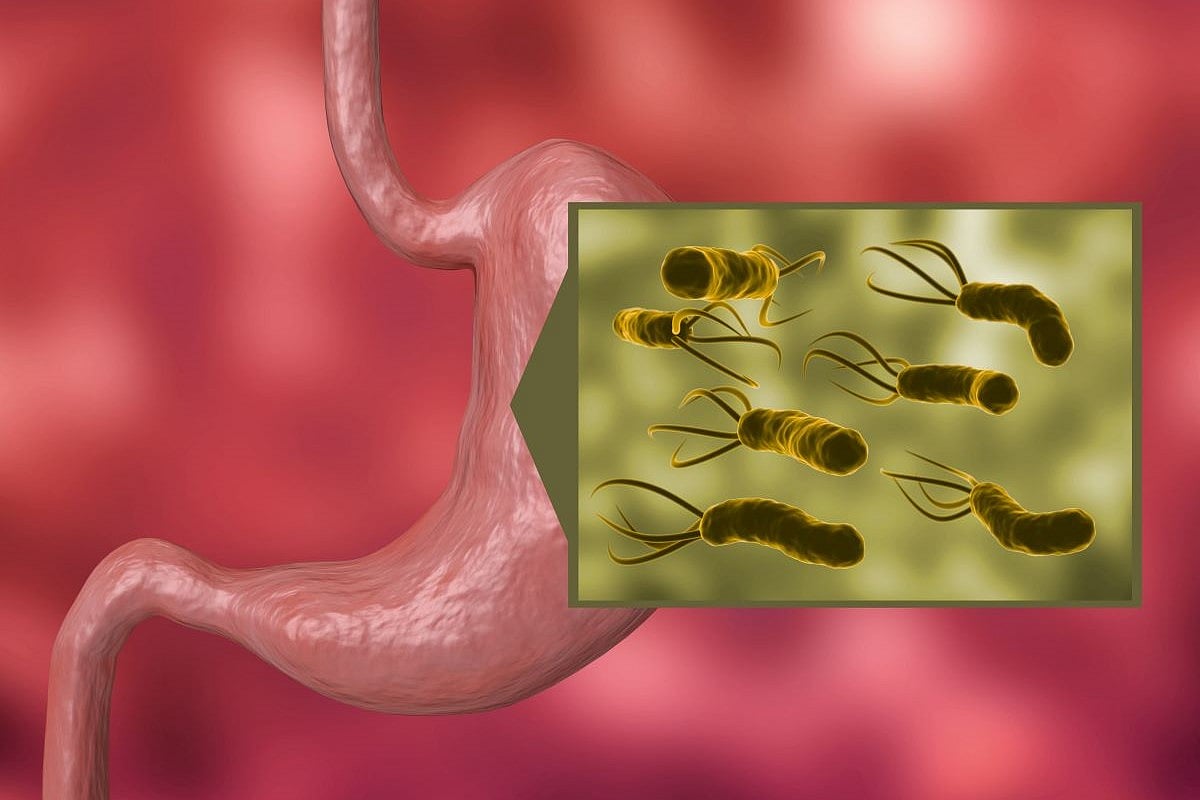 H. Pylori Exposure May Contribute to Global Burden of Colorectal Cancer
  Freshwater Swimming Tied to Stomach Bugs, Skin Conditions
 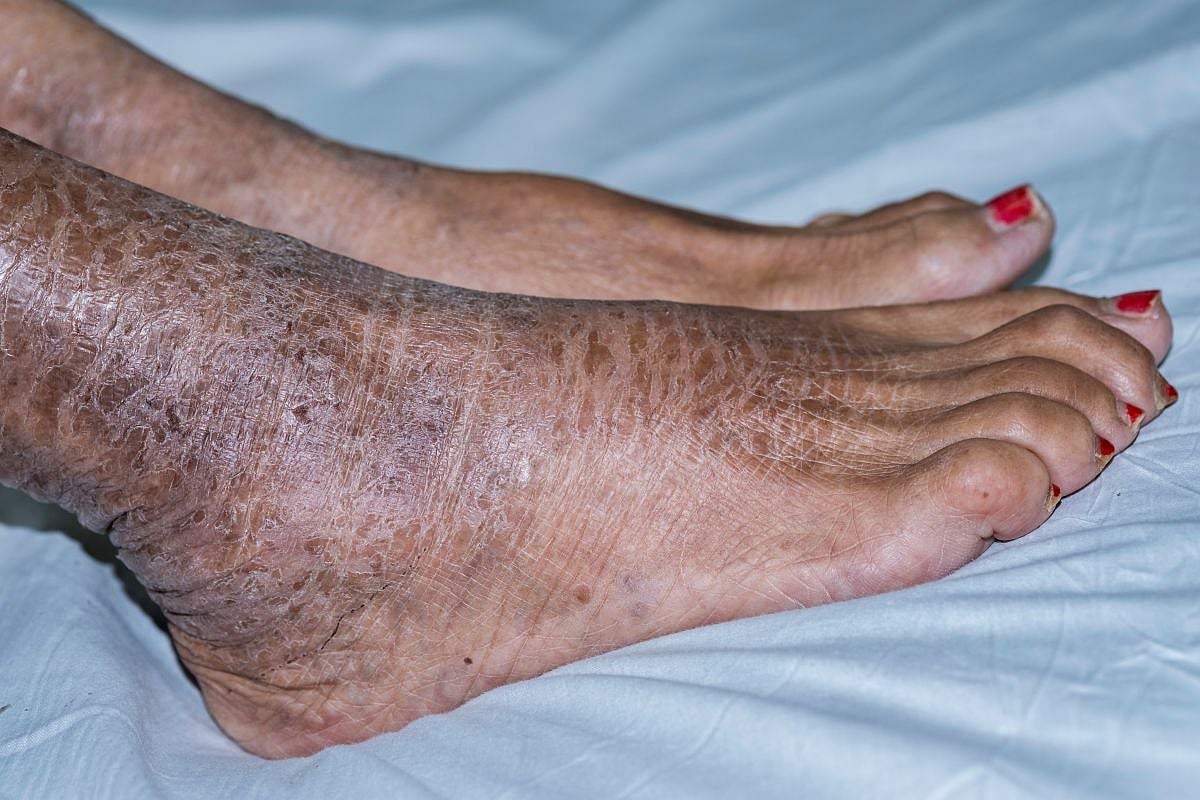 Congenital Ichthyosis Linked to Allergic Disorders
  Distinct Skin Microbiome Features Emerge Before Atopic Disease Onset in Infants
  About 1 in 20 Hospitalized U.S. Adults With Firearm Injuries Develop Bacterial Infections
  Considerable Global Disparities Found in Access to Dermatological Care


.jpg)

