


.jpeg)
30 metabolites and seven subpathways associated with adenomas; they also exhibit disease-specific microbe-metabolite associations
THURSDAY, June 4, 2026 (HealthDay News) — Gut microbial and metabolomic alterations are seen years after adenoma resection, according to a study published online May 27 in Cell Host & Microbe.
Ana Nogal, Ph.D., from the Harvard T.H. Chan School of Public Health in Boston, and colleagues profiled stool metagenomes obtained from 354 women 12.1 ± 4.8 years after adenoma resection and matched controls (1:1), as well as stool metabolomes from 184 pairs. Metagenomic profiles were compared to profiles from 14 independent colorectal cancer (CRC) case-control studies.
The researchers found a difference in microbial composition between adenoma cases and controls, in accordance with CRC-associated alterations. In both conditions, 31 microbes, including Faecalibacterium prausnitzii and Flavonifractor plautii, were altered, correlating with lifestyle factors. Associations were seen for 30 metabolites and seven subpathways, especially sphingolipids, with adenomas. Disease-specific microbe-metabolite associations were exhibited by adenomas, including those between Bilophila wadsworthia and alanine-containing dipeptides.
“The fact that CRC-associated gut microbial and metabolic features are still detectable a decade later suggests the gut microbiome may be part of sustained CRC risk,” Nogal said in a statement. “Diet and lifestyle were closely tied to these microbes, raising the possibility that these habits could influence the gut environment in people at higher risk.”
Several authors disclosed ties to the biopharmaceutical industry.
 Surveillance Colonoscopy at Five Years After Adenoma Removal Noninferior to Three Years
 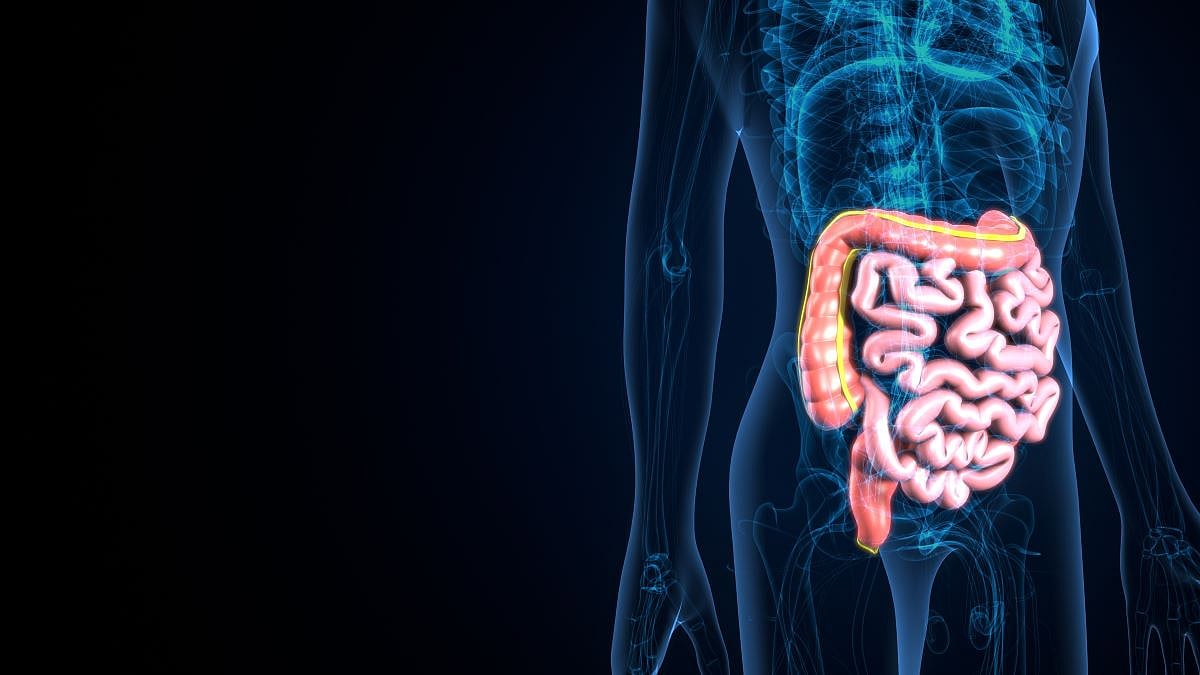 Family History of CRC Increases CRC Risk Similarly in IBD, General Population
 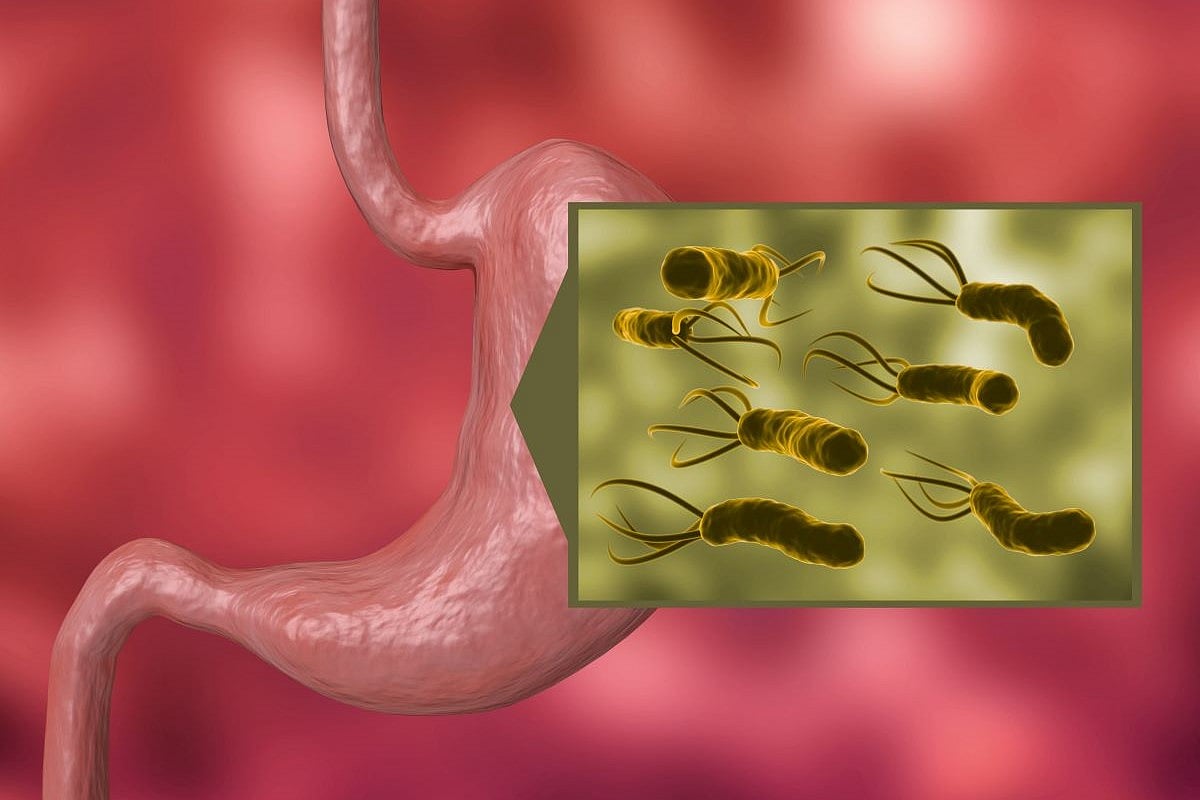 H. Pylori Exposure May Contribute to Global Burden of Colorectal Cancer
  Lower Breast, Cervical Cancer Screening Seen for Adults With Disabilities
  Gap Found Between Awareness of Breast Cancer Risk and Risk-Reducing Behavior
  Pre-Prostate Biopsy MRI Use Increased From 2017 to 2026
  Exercise Intervention Linked to Improved Attention, Memory in Breast Cancer
  Dense Breast Notification Linked to Increase in Use of Supplemental Ultrasound
 .jpg)




