


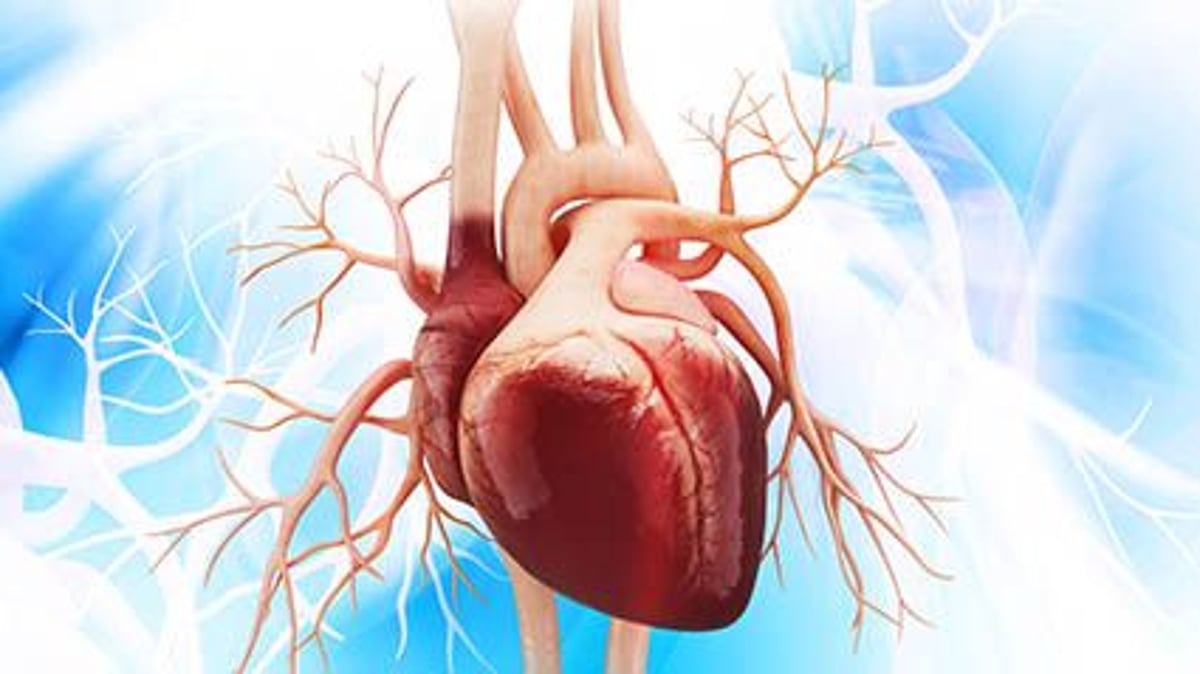
Risk for mechanical ventilation and mortality increased, regardless of left ventricular ejection fraction
TUESDAY, Nov. 3, 2020 (HealthDay News) — History of heart failure is associated with an increased risk for mechanical ventilation and mortality among patients hospitalized with COVID-19, according to a study published online Oct. 28 in the Journal of the American College of Cardiology.
Jesus Alvarez-Garcia, M.D., Ph.D., from the Icahn School of Medicine at Mount Sinai in New York City, and colleagues conducted a retrospective analysis of 6,439 patients admitted for COVID-19 at one of five Mount Sinai Health System hospitals between Feb. 27 and June 26, 2020, to describe the clinical profile and associated outcomes among patients with heart failure.
The researchers found that patients with previous heart failure had longer length of stay (eight versus six days), increased risk for mechanical ventilation (22.8 versus 11.9 percent; adjusted odds ratio, 3.64), and an increased risk for mortality (40.0 versus 24.9 percent; adjusted odds ratio, 1.88) compared with patients without heart failure. Patients with heart failure had similar outcomes, irrespective of left ventricular ejection fraction or renin-angiotensin-aldosterone inhibitor use.
“At the beginning of the pandemic, some heart failure drugs were believed to lead to increased risk of worse outcomes for COVID-19 patients, but our analysis shows no association between heart failure drugs, specifically angiotensin inhibitors, and worse prognosis,” Alvarez-Garcia said in a statement. “This study reinforces that these medications should be maintained unless health care providers recommend stopping them in specific cases.”
Several authors disclosed financial ties to the pharmaceutical industry.
 Elevated C-Reactive Protein Linked to Increased Risk for Incident Heart Failure, All-Cause Mortality
  UACR, UPCR Provide Indistinguishable Prognostic Information in CKD
  Use of SAMA, SABA Linked to Cardiovascular Events, Mortality in Asthma, COPD
  2011 to 2021 Saw Heart Failure-Related Hospitalization Rise in CKD
  GLP-1 Receptor Agonists, SGLT-2is Slow Renal Function Decline in T2D With Albuminuria
  Early Complications Common in Older Kidney Transplant Recipients
 .jpeg) 1997 to 2022 Saw Increase in Pediatric Hospitalizations With AKI
1997 to 2022 Saw Increase in Pediatric Hospitalizations With AKI  Frailty Linked to Incident Cognitive Decline in Men With CKD


.jpg)

