


However, habitual exercise reduces risk for type 2 diabetes regardless of level of exposure to particulate matter air pollution
TUESDAY, April 6, 2021 (HealthDay News) — Higher levels of physical activity and lower levels of exposure to air pollution are associated with a lower risk for type 2 diabetes, according to a study published online March 4 in Diabetologia.
Cui Guo, Ph.D., from the Chinese University of Hong Kong, and colleagues evaluated the combined associations of chronic exposure to particulate matter with an aerodynamic diameter less than 2.5 μm (PM2.5) and habitual physical activity with the incidence of type 2 diabetes among 156,314 Taiwanese adults participating in a longitudinal cohort (2001 to 2016).
The researchers found that compared with high physical activity, moderate and inactive or low physical activity were associated with a higher risk for diabetes (hazard ratio [HR], 1.31 and 1.56, respectively). Compared with participants with low PM2.5 exposure, participants with moderate/high PM2.5 exposure had a higher risk for type 2 diabetes (HR, 1.31 and 1.94, respectively). Compared with those who were inactive or had low physical activity and high PM2.5, the participants with high physical activity and low PM2.5 had a 64 percent lower risk for type 2 diabetes.
“Our results indicate that habitual physical activity is a safe diabetes prevention strategy for people residing in relatively polluted regions,” the authors write.
Abstract/Full Text (subscription or payment may be required)
 Physical Activity Linked to Slower Cognitive, Motor Progression in Parkinson Disease
  Air Pollution Does Not Impair Benefits of Walking in Reducing COPD Exacerbation Rate
 .jpg) Pregnancy Complications Linked to Subsequent Risk for Cardiometabolic-Renal Conditions
Pregnancy Complications Linked to Subsequent Risk for Cardiometabolic-Renal Conditions  Exercise Intervention Linked to Improved Attention, Memory in Breast Cancer
 .jpg) Cancer Survivors Have Lower Levels of Physical Activity
Cancer Survivors Have Lower Levels of Physical Activity  Childhood Cancer Survivors Often Have Mental Distress in Adulthood
 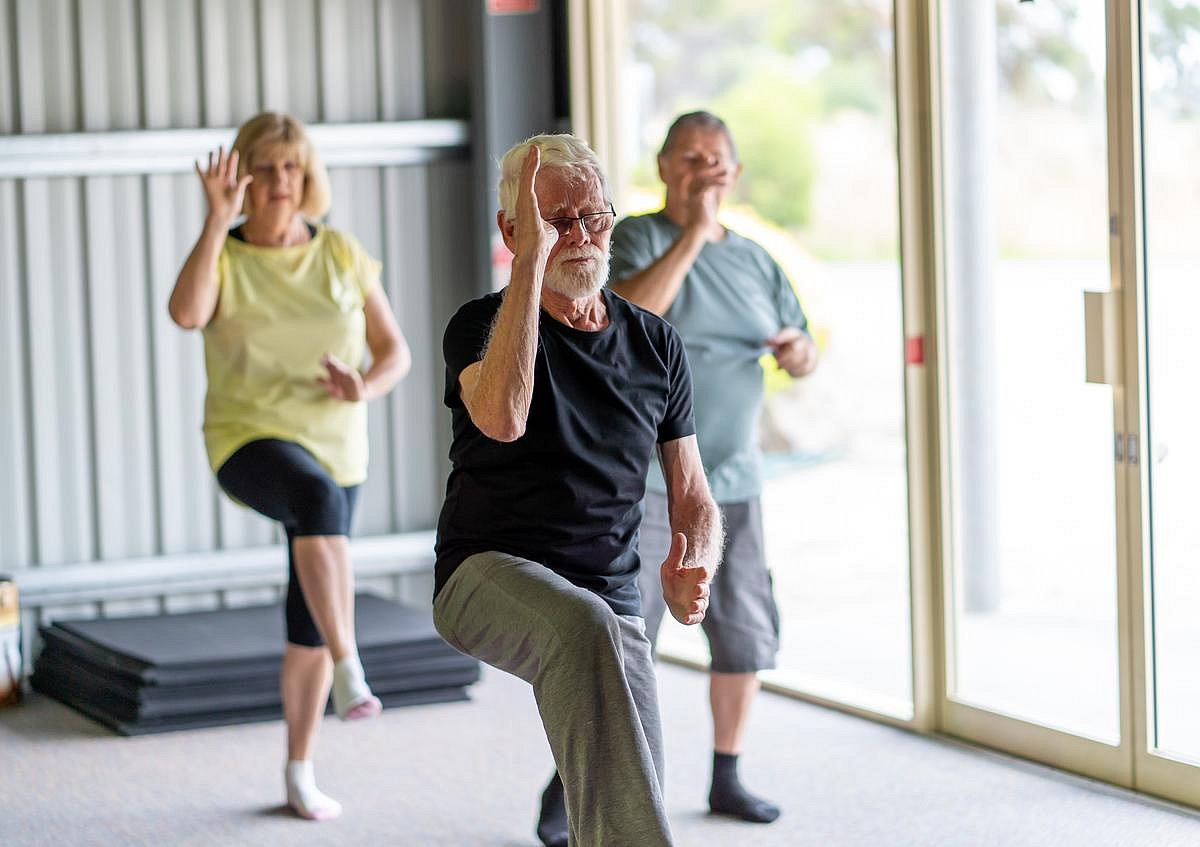 Mindfulness, Tai Chi May Benefit Cancer Survivors
  Blinatumomab Improves Event-Free Survival in Children With High-Risk B-Cell ALL
.jpg)



