


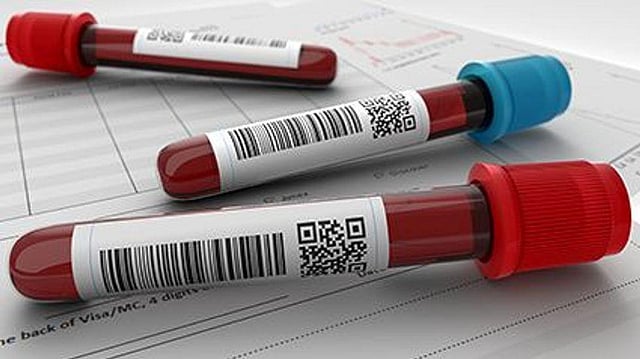
Increased risk for hepatocellular carcinoma also seen with higher transferrin saturation levels in patients with nonalcoholic fatty liver disease
TUESDAY, Nov. 16, 2021 (HealthDay News) — Elevated serum iron and transferrin saturation levels are significantly associated with an increased risk for developing liver cancer in patients with nonalcoholic fatty liver disease (NAFLD), according to a study presented at The Liver Meeting, the annual meeting of the American Association for the Study of Liver Diseases, held virtually from Nov. 12 to 15.
Yi-Chuan Yu, from University of Pittsburgh, and colleagues assessed the impact of iron indices on hepatocellular carcinoma (HCC) risk with NAFLD. The analysis included 47,970 patients (aged 40 to 89 years) diagnosed with NAFLD (2004 to 2018), identified through electronic health records.
The researchers found that during an average 4.35 years of follow-up, 192 patients developed HCC. NAFLD patients who developed HCC were more likely to be older, male, White, or an ever smoker and to have a history of type 2 diabetes, hyperlipidemia, or hypertension compared with NAFLD patients without HCC. Elevated serum iron (>175 mcg/dL) was associated with more than double the risk for HCC (hazard ratio, 2.44) compared with a normal range of serum iron (75 to 175 mcg/dL). Similarly, there was a doubled risk for HCC among those with a higher level of transferrin saturation (>35 percent; hazard ratio, 2.18) versus those with the normal range of transferrin saturation (25 to 35 percent). There were no significant associations seen for HCC risk and either total iron-binding capacity or serum ferritin levels.
“Since serum iron levels change constantly in response to physiologic needs, more research is needed to understand the clinical implications of persistence and magnitude of serum iron elevation, as well as the lack of association of ferritin levels with HCC risk in NAFLD patients,” a coauthor said in a statement.
 Steatotic Liver Disease Risk Scores Compared for Predicting Cirrhosis
  Cirrhosis Can Recur After Liver Transplant
 .jpg) Mortality Lowest at Hemoglobin Concentrations Above WHO Thresholds
Mortality Lowest at Hemoglobin Concentrations Above WHO Thresholds  Oral Vitamin C Active in Clonal Cytopenia of Undetermined Significance
  Nutritional Deficiencies Seen in Youth Taking GLP-1 Receptor Agonists
  Ultra-Endurance Running Accelerates Red Blood Cell Aging
  Recommendations Developed for Diagnosing Light Chain Amyloidosis
  IV Iron Dextran Cost-Effective for Managing Iron-Deficiency Anemia


.jpg)

