Benefits include capacity and physical functioning; comparable to supervised exercise, with lower costs
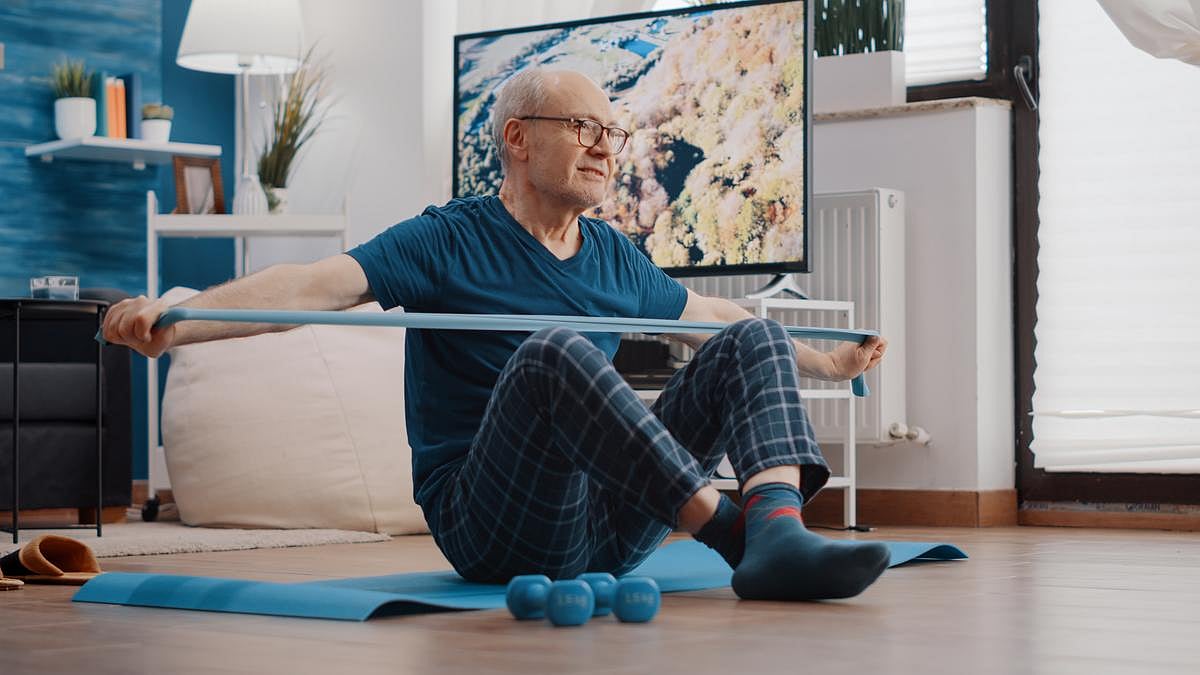
FRIDAY, June 26, 2026 (HealthDay News) — Telehealth-supported home-based exercise (HBE) achieves comparable short-term improvements to supervised exercise among lymphoma survivors entering cardio-oncology rehabilitation (CORE), according to a study published online June 23 in Cancer Control.
Katerina Chamradova, from University Hospital Brno in the Czech Republic, and colleagues compared the short-term effects of 12 weeks of telehealth-supported HBE versus center-based exercise (CBE) among 69 lymphoma survivors randomly assigned upon entering CORE.
The researchers found that peak oxygen uptake improved in both groups, with no significant baseline-adjusted between-group difference noted at 12 weeks. There were also no between-group differences seen for maximal workload or Short Form-36 Physical Functioning. Both groups had high adherence (HBE: 80.1 percent; CBE: 77.9 percent). No adverse events were reported. Costs per participant were 48 percent lower for HBE.
“Telehealth-guided HBE represents a pragmatic, lower-cost delivery option to expand access to CORE,” the authors write. “Larger and longer-term studies are warranted to define which patients benefit most from each delivery model and to confirm longer-term clinical and economic outcomes.”
 Air Pollution Does Not Impair Benefits of Walking in Reducing COPD Exacerbation Rate
  Physical Activity Linked to Slower Cognitive, Motor Progression in Parkinson Disease
  Exercise Intervention Linked to Improved Attention, Memory in Breast Cancer
  Exercise-Based Cardiac Rehab Beneficial for Coronary Heart Disease
  Isometric Exercise Training Three Times a Week Preserves Cardiovascular Benefits
  UACR, UPCR Provide Indistinguishable Prognostic Information in CKD
  Strength Training Not Tied to Ventricular Arrhythmia in Those With Arrhythmogenic Cardiomyopathy
  Use of SAMA, SABA Linked to Cardiovascular Events, Mortality in Asthma, COPD


.jpg)