


Authors say findings do not support routine hormone use in the perimenopausal and postmenopausal periods
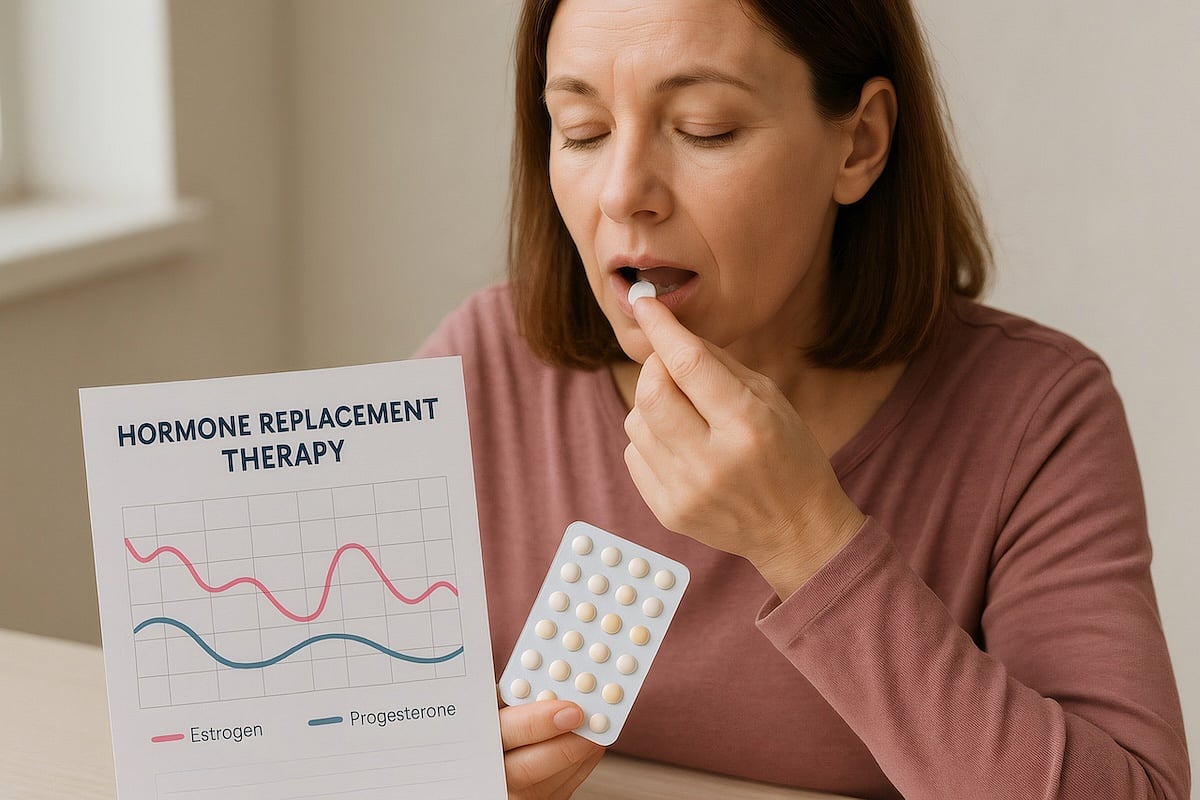
TUESDAY, May 6, 2025 (HealthDay News) — Hormone therapy use is linked to worse bladder health in postmenopausal women, according to a study published online April 29 in Menopause.
Camille P. Vaughan, M.D., from the Atlanta VA Geriatric Research Education and Clinical Center at Emory University, and colleagues evaluated associations between menopause status and hormone use with bladder health and lower urinary tract symptoms (LUTS). The analysis included 3,126 community-dwelling adult women.
The researchers found that across multiple bladder health scales and bladder function indices, perimenopause and postmenopause status were associated with worse scores versus premenopause status. Perimenopausal women were more likely to report urgency urinary incontinence (odds ratio, 2.27) and other LUTS versus premenopausal women. In postmenopausal women, hormone use was associated with worse bladder health.
“While it is not possible to determine the directionality of the association between hormone use and bladder health and LUTS, these results do not support routine recommendations for hormone use in the perimenopausal and postmenopausal periods,” the authors write. “Future research should continue to investigate the nuances of this relationship, enabling more effective prevention and management strategies for women with and without LUTS before and during menopause.”
Two authors disclosed ties to the medical technology industry.
Abstract/Full Text (subscription or payment may be required)
 Oral Menopausal Hormone Therapy Linked to Venous Thromboembolic Risk
  MHT Initiation May Reduce Cardiovascular Risk in Women With Vasomotor Symptoms
  Longer Reproductive Lifespan Tied to Lower Bronchiectasis Risk in Postmenopausal Women
  Midlife Onset of Increasing Pulse Pressure Not Linked to Menopause
 .jpg) Pregnancy Complications Linked to Subsequent Risk for Cardiometabolic-Renal Conditions
Pregnancy Complications Linked to Subsequent Risk for Cardiometabolic-Renal Conditions  Isometric Exercise Training Three Times a Week Preserves Cardiovascular Benefits
  IBD Not Linked to Risk for Hypertensive Disorders of Pregnancy Overall
  Mortality in Injured Children Linked to Higher SBP Thresholds Than Those That Define Hypotension



.jpg)
