


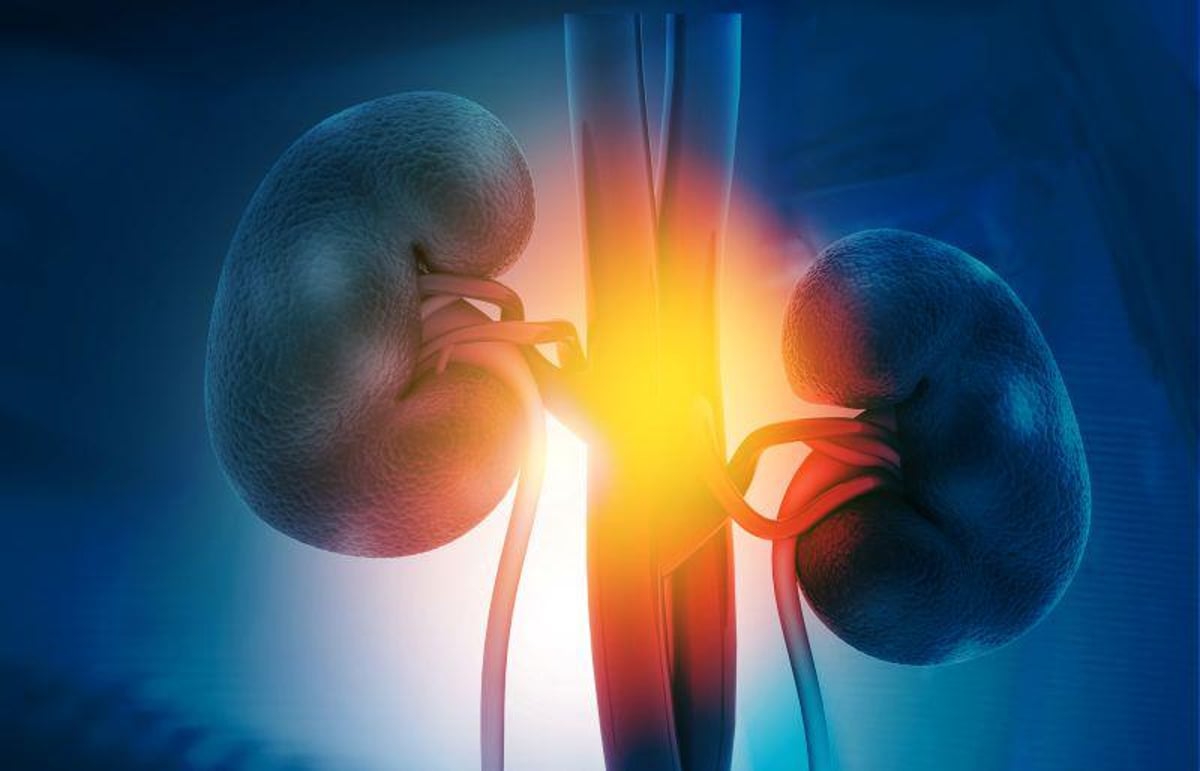
Gender-affirming hormone therapy associated with increased serum creatinine in transgender men, but not transgender women
WEDNESDAY, Aug. 17, 2022 (HealthDay News) — Gender-affirming hormone therapy (GAHT) is associated with increased serum creatinine in transgender men, but not in transgender women, according to a systematic review and meta-analysis published online Aug. 16 in the Clinical Journal of the American Society of Nephrology.
Emily Krupka, R.N., from Seven Oaks General Hospital in Winnipeg, Canada, and colleagues conducted a systematic review to characterize the change in serum creatinine, other kidney function biomarkers, and glomerular filtration rate in transgender persons initiating masculinizing and feminizing GAHT. Twenty-six studies met the inclusion criteria, including nine that recruited 488 and 593 transgender men and women, respectively, whose data were included in a meta-analysis.
The researchers identified heterogeneity in study design, population, GAHT routes, and dosing. Serum creatinine increased by 0.15 mg/dL in 370 transgender men and decreased by 0.05 mg/dL in 361 transgender women at 12 months after initiating GAHT. The impact of GAHT on albuminuria, proteinuria, cystatin C, or measured glomerular filtration rate was not reported in any study.
“GAHT increases serum creatinine to a clinically significant degree in transgender men but does not significantly affect serum creatinine in transgender women,” the authors write. “Awareness of the serum creatinine trajectory post-GAHT is important to frame the need for diagnostic testing for acute kidney injury or chronic kidney disease and nephrology consultation.”
Several authors disclosed financial ties to the biopharmaceutical industry.
Abstract/Full Text (subscription or payment may be required)
.jpg) Pregnancy Complications Linked to Subsequent Risk for Cardiometabolic-Renal Conditions
Pregnancy Complications Linked to Subsequent Risk for Cardiometabolic-Renal Conditions  GLP-1 Receptor Agonists, SGLT-2is Slow Renal Function Decline in T2D With Albuminuria
 .jpeg) 1997 to 2022 Saw Increase in Pediatric Hospitalizations With AKI
1997 to 2022 Saw Increase in Pediatric Hospitalizations With AKI  Early Complications Common in Older Kidney Transplant Recipients
  Implant, Patient Survival Do Not Differ for Robotic and Conventional Total Joint Replacement
  Physical Therapist-Supervised Exercise Improves Outcomes After ACL Reconstruction
  Frailty Linked to Incident Cognitive Decline in Men With CKD
  UACR, UPCR Provide Indistinguishable Prognostic Information in CKD

.jpg)

