Prevalence of infections in the first year of lower-risk myelodysplastic syndromes is 7.6 percent
TUESDAY, April 22, 2025 (HealthDay News) — Roughly one in 14 people with lower-risk myelodysplastic syndromes (LR-MDS) have an infection in the first year after diagnosis, according to a study published online April 10 in Haematologica.
Bente Houtman, from Radboud University Medical Center in Nijmegen, Netherlands, and colleagues investigated the prevalence and risk factors for infections and infection-related death in patients with LR-MDS. The analysis included data from 2,552 patients identified from the European MDS Registry.
The researchers found that the prevalence of infections was 7.6 percent in the first year of follow-up. Nearly one-quarter of all deaths (24.6 percent) were due to infections. There was an independent association between an increased risk for infections and hemoglobin level <8 g/dL, platelet count <50×109/L, absolute neutrophil count <0.8×10⁹/L, cytogenetics intermediate/poor/very poor, and having received red blood cell transfusions at baseline. There was also an independent association for an increased risk for infection-related death with older age at diagnosis, hemoglobin level <8 g/dL, and platelet count <50×109/L.
“Patients with an increased risk of infections could benefit from close monitoring, especially in the first months after diagnosis,” the authors write. “Future research should focus on the causality and severity of infections and risk factors over time, to provide more guidance for monitoring.”
Several authors disclosed ties to the pharmaceutical industry.
Abstract/Full Text (subscription or payment may be required)
 Evidence Insufficient to Support Routine Lumbar Support Use for Chronic Low Back Pain
  Dementia, Stroke Risk Elevated for Those With Severe Mental Illness
  NOACs Linked to Slower Cognitive Decline in Patients With A-Fib, Alzheimer Disease
 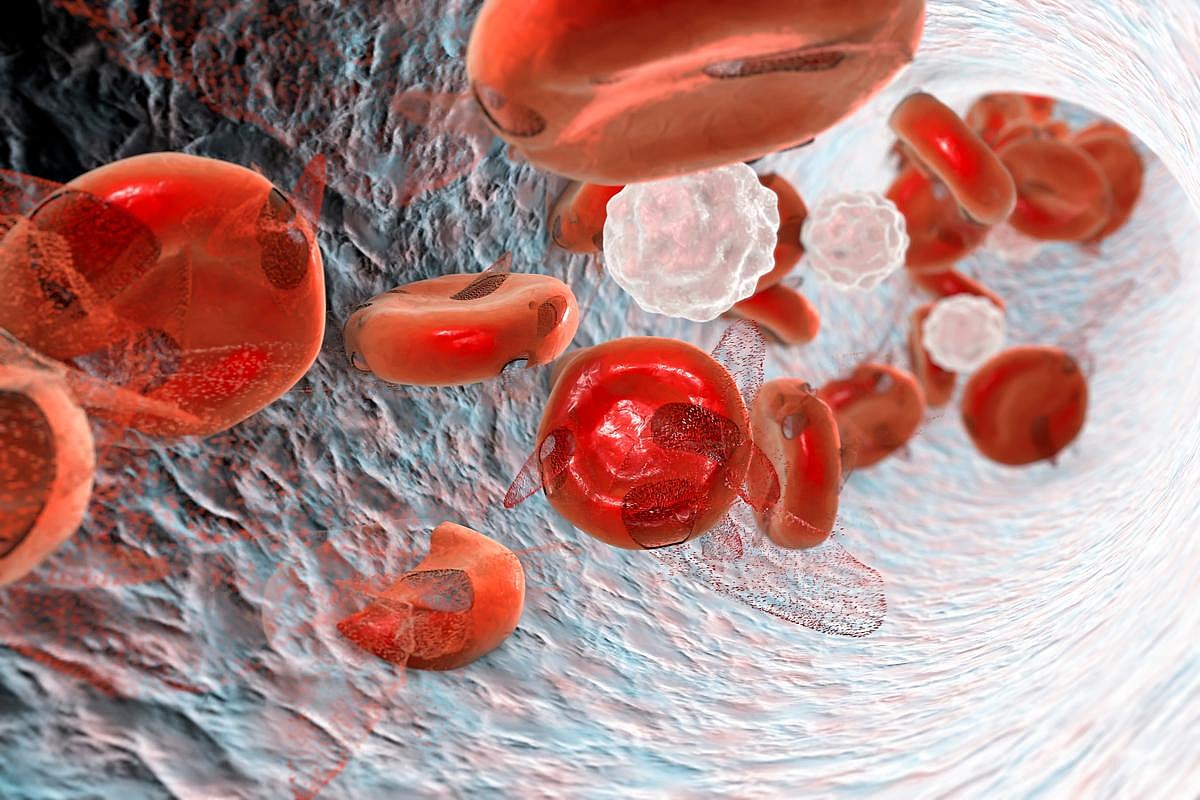 Preoperative IV Iron Beneficial for Patients With Anemia Undergoing Cardiac Surgery
  Adenotonsillectomy Tied to Increase in Respiratory Tract Infections in Children
  Robotic Arm-Assisted TKR Offers Similar Outcome to Conventional TKR
  Preoperative Chemo + Immunotherapy Combo Shrinks Head, Neck Cancer Tumors
  Safety Intervention Reduces Incidence of Postoperative Endophthalmitis