


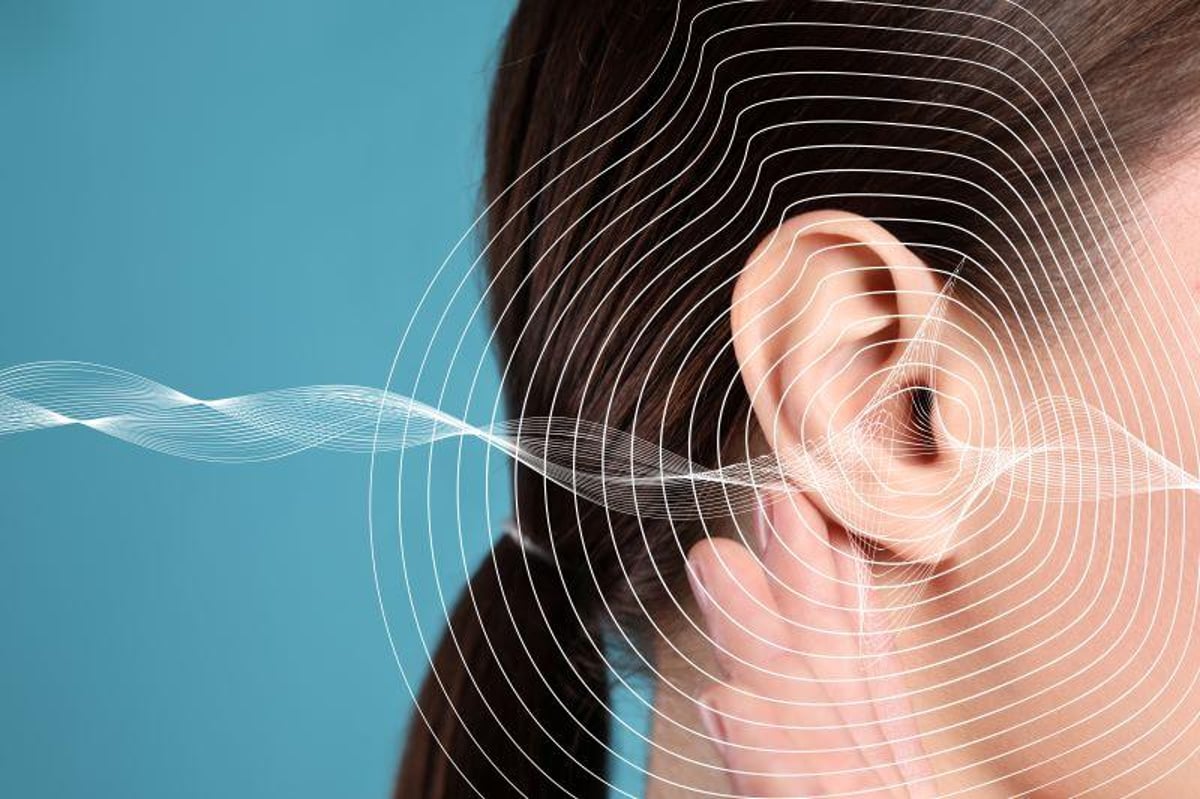
IESAM has high diagnostic value for definite Meniere disease
MONDAY, Oct. 24, 2022 (HealthDay News) — The Inner Ear Structural Assignment Method (IESAM) has high diagnostic value for identifying definite Meniere disease (DMD), according to a study published online Sept. 26 in Frontiers in Neurology.
Heng Xiao, from the Fujian Otorhinolaryngology Institute at the First Affiliated Hospital of Fujian Medical University in Fuzhou, China, and colleagues conducted a retrospective cohort study involving 97 patients with unilateral DMD who underwent contrast-enhanced three-dimensional fluid attenuated inversion recovery magnetic resonance imaging. According to their corresponding axial images, each patient was scored by the IESAM, the Saccule to utricle area ratio, and the Four Stage Vestibular Hydrops Grading. Consistency testing was examined, and the sensitivity and specificity of the methods were compared.
The researchers found that for the scoring of endolymphatic hydrops, intra- and inter-reader reliability were excellent. For identifying DMD, the IESAM had a high diagnostic value, with sensitivity and specificity of 86.6 percent and 97.9 percent, respectively. There was an association between the hearing thresholds and the degree of endolymphatic hydrops. Compared with stage 1, stages 3 and 4 were more significant for the severity of hydrops. Compared with the nonhydrops group and the pure vestibular hydrops group, the cochlear combined vestibular hydrops group had significantly higher auditory thresholds within the subgroups of MD patients. Compared with the healthy ear, the affected ear had a significantly higher amplitude ratio of electrocochleogram.
“Diagnostic imaging may improve the detection of endolymphatic hydrops and subsequently indirectly reflect the severity of hearing loss,” the authors write.
 Pre-Prostate Biopsy MRI Use Increased From 2017 to 2026
  PET/MRI Offers Diagnostic, Prognostic Value in Pediatric Epilepsy
  Dense Breast Notification Linked to Increase in Use of Supplemental Ultrasound
  Nighttime Light Exposure Linked to Adverse Cardiac Remodeling
  Cardiac Remodeling May Portend Cancer Risk
  Volume Rendering of Myocardium, Cardiac Valves Enables Visualization
  CMR-Modeled PCWP Independent Risk Factor for Heart Failure
  Non-MRI-Conditional ICDs Still Function After MRI




.jpg)