


Findings seen among individuals regularly using steroid nasal sprays before COVID-19 diagnosis
FRIDAY, Oct. 1, 2021 (HealthDay News) — Intranasal corticosteroid (INCS) therapy is associated with a lower risk for COVID-19-related hospitalization, intensive care unit (ICU) admission, and death, according to a study recently published in the Journal of Allergy and Clinical Immunology: In Practice.
Ronald Strauss, M.D., from the Cleveland Allergy and Asthma Center, and colleagues used data from the Cleveland Clinic COVID-19 Research Registry to find propensity-matched individuals positive for severe acute respiratory syndrome coronavirus 2 (SARS-CoV-2) infection treated with and without INCS before SARS-CoV-2 infection (April 1, 2020, to March 31, 2021).
The researchers found that compared with nonusers, INCS users had a lower risk for hospitalization (adjusted odds ratio, 0.78), ICU admission (adjusted odds ratio, 0.77), and in-hospital mortality (adjusted odds ratio, 0.76). Even after adjusting for baseline blood eosinophil count (measured before SARS-CoV-2 testing) in a subset of 30,289 individuals, the beneficial effect of INCS was significant.
“This study shows the importance of the nose in COVID-19 infection,” a coauthor said in a statement. “The nose, in this instance is the gateway to our bodies, allowing the virus to enter and replicate within. The use of intranasal corticosteroids may help disrupt that gateway.”
 Treatment Satisfaction Higher for Patients With RA Choosing Their Own Treatment
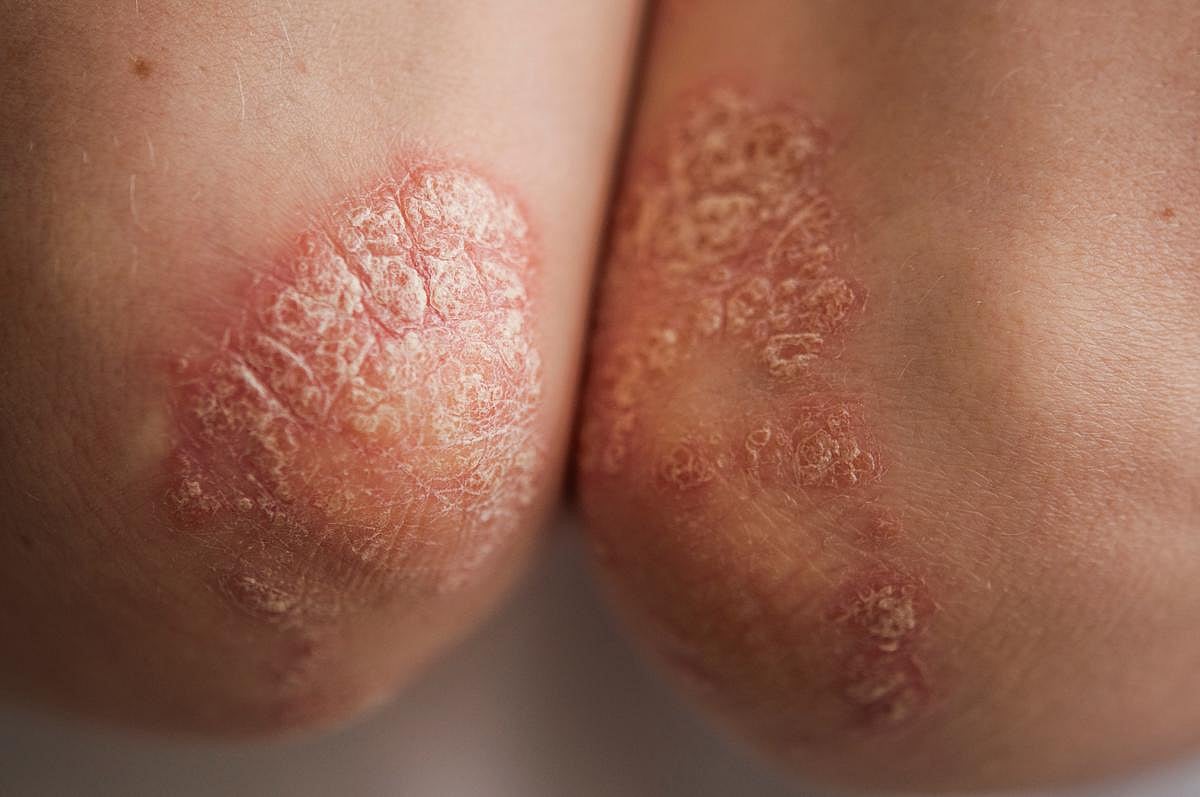 Mortality, Comorbidity Risk Increased With Generalized Pustular Psoriasis
 Dexamethasone Eye Drops Can Reduce Progression to ROP Requiring Treatment
 Risk for Herpes Zoster Elevated for Individuals With Atopic Dermatitis
 Lower Dietary Diversity in First Year Linked to Atopic Dermatitis
 Distinct Skin Microbiome Features Emerge Before Atopic Disease Onset in Infants
 Early Respiratory Infections Linked to Atopic Dermatitis Diagnosis
 Review Shows Antihistamines Offer No Meaningful Benefit in Atopic Dermatitis
.jpg)




