Patients saw significant benefit in functional, appearance-related symptoms and quality of life
FRIDAY, Sept. 4, 2020 (HealthDay News) — Labiaplasty is a safe procedure that yields significant improvement in quality of life, according to a study published in the September issue of Plastic and Reconstructive Surgery.
Sarah Sorice-Virk, M.D., from the Stanford University School of Medicine in California, and colleagues conducted preoperative and postoperative surveys of 62 patients (mean age, 33.5 years) undergoing labiaplasty regarding 11 physical and appearance-related symptoms.
The researchers found that all patients presented with at least one symptom (average, 6.5 symptoms). Most (82.2 percent) had a trim labiaplasty, with the remaining 17.7 percent having a wedge. During an average follow-up of 13.3 months, 93.5 percent of patients were symptom-free. Preoperative to postoperative symptom changes included declines in self-consciousness (93 to 6.5 percent), tugging (66.1 to 0 percent), feeling less attractive (66.1 to 0 percent), negative impact on self-esteem (64.5 to 1.6 percent), negative impact on intimacy (62.5 to 0 percent), twisting (58.1 to 3.2 percent), being uncomfortable (56.5 to 4.8 percent), clothing restriction (54.8 to 3.2 percent), visible outline (46.8 to 1.6 percent), pain (43.5 to 1.6 percent), and exposure in swimsuits (38.7 to 1.6 percent). There were no major complications reported.
“[The paper] provides new evidence that the current, common recommendation of nonsurgical treatments is inadequate to improve women’s symptoms related to excess vaginal tissue,” a coauthor said in a statement.
 Hydrogel-Based Dermal Regenerative Template Shows Promise in Wound Reconstruction
  Bacterial Vaginosis Linked to Tripled Odds of STI Coinfection
  Cumulative Attrition for Surgeons 9.7 Percent Over Eight Years
  Collagen Supplements Beneficial for Dermal, Bone, Musculoskeletal Health
  Lower Vertebral Bone Mineral Density Linked to Cognitive Decline
  Disparities Identified in Home Health Care After Hip, Knee Replacement
  Considerable Global Disparities Found in Access to Dermatological Care
 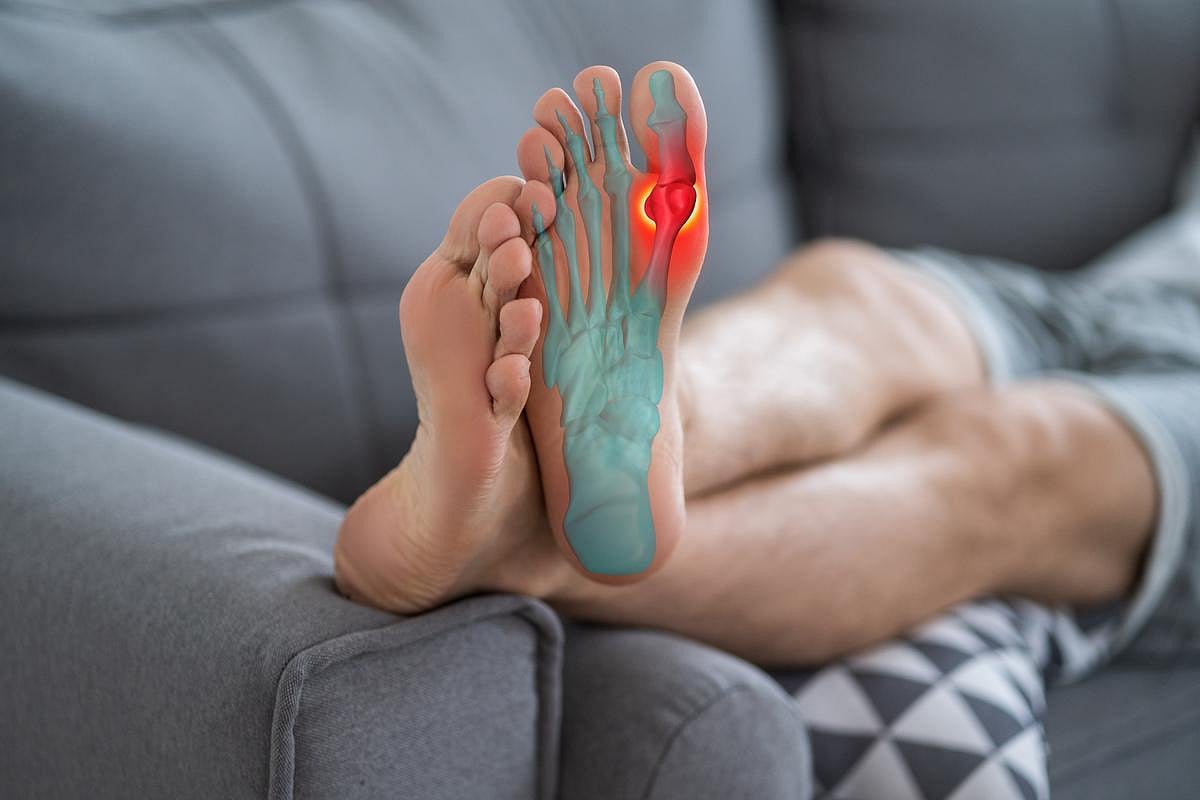 First Metatarsophalangeal Joint Arthrodesis Eases Painful Hallux Rigidus
.jpeg)