


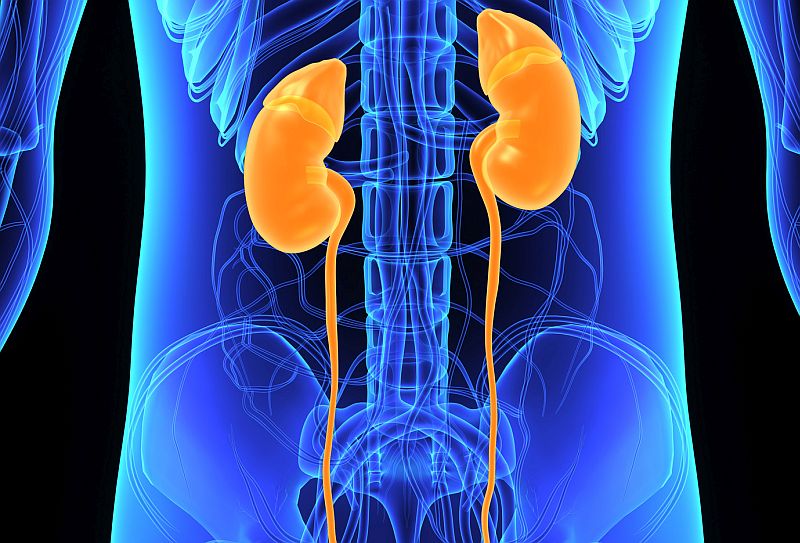
 Lower-extremity amputation signals poor prognosis with end-stage renal disease
THURSDAY, Feb. 21, 2019 (HealthDay News) — Nearly one in 10 patients with end-stage renal disease (ESRD) undergoes lower-extremity amputation in their last year of life, according to a study published online Feb. 19 in the Journal of the American Society of Nephrology.
Catherine R. Butler, M.D., from the University of Washington in Seattle, and colleagues retrospectively assessed data for Medicare beneficiaries with ESRD (754,777 patients) who died in 2002 through 2014 and a parallel cohort of beneficiaries without ESRD (958,412 patients). The authors sought to examine patterns of lower-extremity amputation in the last year of life.
The researchers found that lower-extremity amputation was more common among beneficiaries with ESRD versus those without ESRD (8 versus 1 percent). In adjusted analyses of only the patients with ESRD, those who underwent lower-extremity amputation were substantially more likely to have been admitted to and to have had prolonged stays in acute and subacute care settings during their final year of life compared with those who had not undergone amputation. The investigators also noted associations between amputation and a greater likelihood of dying in the hospital, dialysis discontinuation before death, and less time receiving hospice services.
“These findings likely signal unmet palliative care needs among seriously ill patients with ESRD who undergo amputation, as well as opportunities to improve their care,” the authors write.
Abstract/Full Text (subscription or payment may be required)
Editorial
.jpg) Pregnancy Complications Linked to Subsequent Risk for Cardiometabolic-Renal Conditions
 GLP-1 Receptor Agonists, SGLT-2is Slow Renal Function Decline in T2D With Albuminuria
.jpeg) 1997 to 2022 Saw Increase in Pediatric Hospitalizations With AKI
 Early Complications Common in Older Kidney Transplant Recipients
 Implant, Patient Survival Do Not Differ for Robotic and Conventional Total Joint Replacement
 Physical Therapist-Supervised Exercise Improves Outcomes After ACL Reconstruction
 Frailty Linked to Incident Cognitive Decline in Men With CKD
 PET/MRI Offers Diagnostic, Prognostic Value in Pediatric Epilepsy


.jpg)

