


Women and those with paternal history of Alzheimer disease have stronger association between Aβ, tau deposition than men or those with maternal history
MONDAY, April 14, 2025 (HealthDay News) — Women and individuals with a paternal history of Alzheimer disease (AD) have a stronger association between global β-amyloid (Aβ) and tau deposition, according to a study published online April 9 in Neurology.
Valentin Ourry, Ph.D., from McGill University in Montreal, and colleagues examined whether sex or affected AD parent”s sex influence Aβ and tau burden/accumulation in a sample of 243 participants from the Presymptomatic Evaluation of Experimental or Novel Treatments for AD cohort in Canada.
All participants were cognitively unimpaired at baseline. Longitudinal cognitive data were available for 242 participants (follow-up, 6.72 ± 2.38 years). Seventy-one participants developed mild cognitive impairment. The researchers found greater tau deposition in women (standardized β, 0.13 ± 0.3); the association between global Aβ and tau deposition was stronger for women than men (standardized β = 0.79 ± 0.1). A stronger association between global Aβ and tau deposition was seen for individuals with an affected AD father versus those with an affected AD mother (standardized β = 0.65 ± 0.1). Less Aβ-associated hippocampal atrophy was seen over time for women (standardized β = 0.24 ± 0.1).
“Women and, surprisingly, individuals with an affected AD father, seem to be more vulnerable to the spread of Aβ-related tau outside the medial temporal lobe,” the authors write. “Despite this vulnerability to tau pathology, the association between Aβ and hippocampal atrophy was reduced in women, which could reflect some cause of brain resilience or the fact that Aβ is a less important driver of atrophy in women.”
Abstract/Full Text (subscription or payment may be required)
 Active Smoking Linked to Progression of Sickle Cell Retinopathy
  Lower Vertebral Bone Mineral Density Linked to Cognitive Decline
 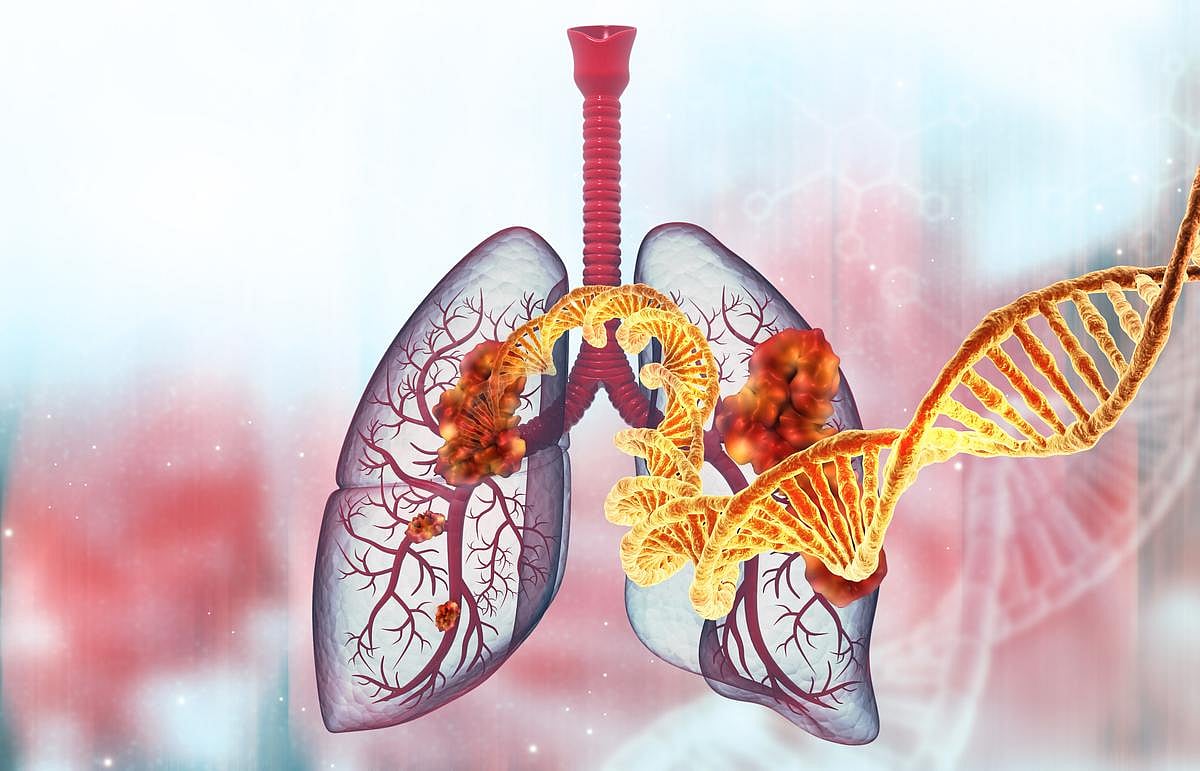 Gene Mutation Identified That Increases Lung Cancer Risk
 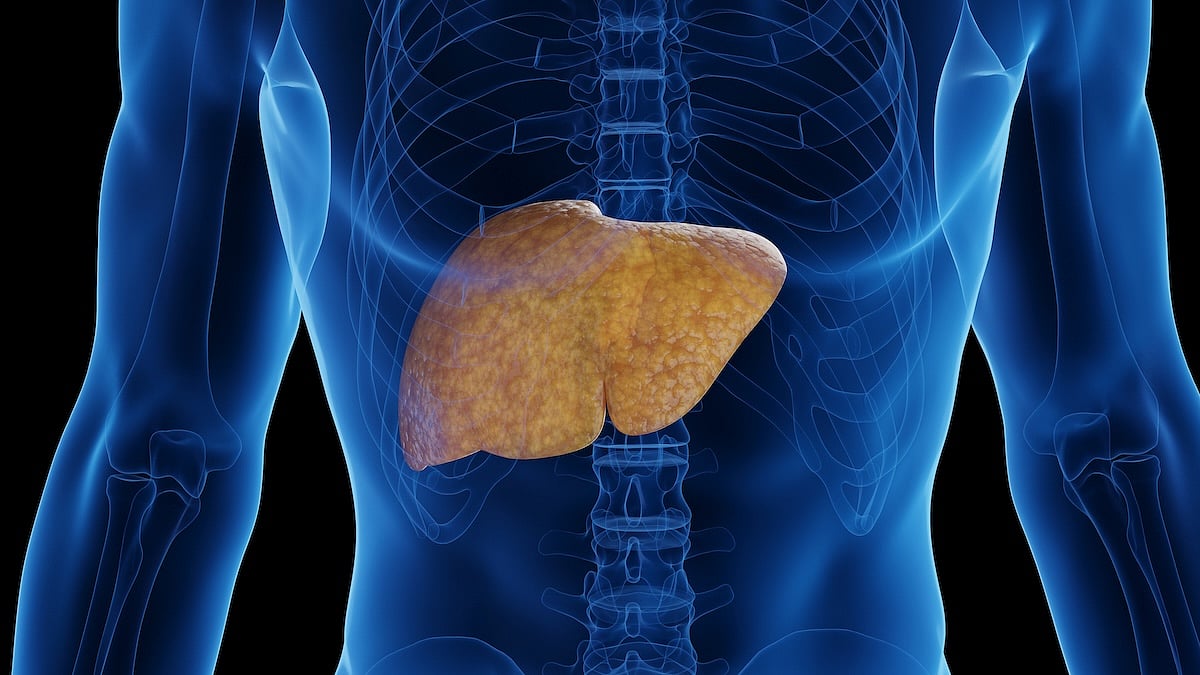 Genetics, Diabetes Tied to MASLD-Associated Cirrhosis Before Age 50
  GLP-1 Receptor Agonists, SGLT-2is Slow Renal Function Decline in T2D With Albuminuria
  Steatotic Liver Disease Risk Scores Compared for Predicting Cirrhosis
  Cirrhosis Can Recur After Liver Transplant
  Family History of CRC Increases CRC Risk Similarly in IBD, General Population



.jpg)
