


Risk for AD was lower in the n-3 LCPUFA versus placebo group among mothers with the TT genotype
WEDNESDAY, Sept. 4, 2024 (HealthDay News) — The association of prenatal ω-3 long-chain polyunsaturated fatty acid (n-3 LCPUFA) with the risk for childhood atopic dermatitis (AD) varies based on the maternal cyclooxygenase-1 (COX1) genotype, according to a study published online Aug. 28 in JAMA Dermatology.
Liang Chen, from Herlev and Gentofte Hospital in Copenhagen, Denmark, and colleagues examined the association of n-3 LCPUFA supplementation during pregnancy with the risk for childhood AD overall and by maternal COX1 genotype. A total of 736 pregnant women at 24 weeks of gestation were randomly assigned to n-3 LCPUFA (fish oil) or placebo (olive oil) until one-week postpartum; 635 children completed clinical follow-up.
The researchers observed an association between pregnancy n-3 LCPUFA supplementation and lower urinary thromboxane A2 metabolites at age 1 year (β = −0.46), which was also associated with the COX1 rs1330344 genotype (β per C allele, 0.47). There were no associations for n-3 LCPUFA supplementation or the maternal COX1 genotype with the risk for childhood AD until age 10 years; however, evidence of an interaction between these variables was seen. The risk for AD was lower in the n-3 LCPUFA group versus the placebo group among mothers with the TT genotype, while no association was seen for mothers with the CT genotype. An increased risk was seen for offspring of mothers with the CC genotype.
“These findings support use of a personalized prevention strategy for reducing the burden of AD in childhood by only providing n-3 LCPUFA supplementation to pregnant mothers carrying the COX1 rs1330344 TT genotype,” the authors write.
Several authors disclosed ties to the biopharmaceutical industry.
Abstract/Full Text (subscription or payment may be required)
 Family History of CRC Increases CRC Risk Similarly in IBD, General Population
 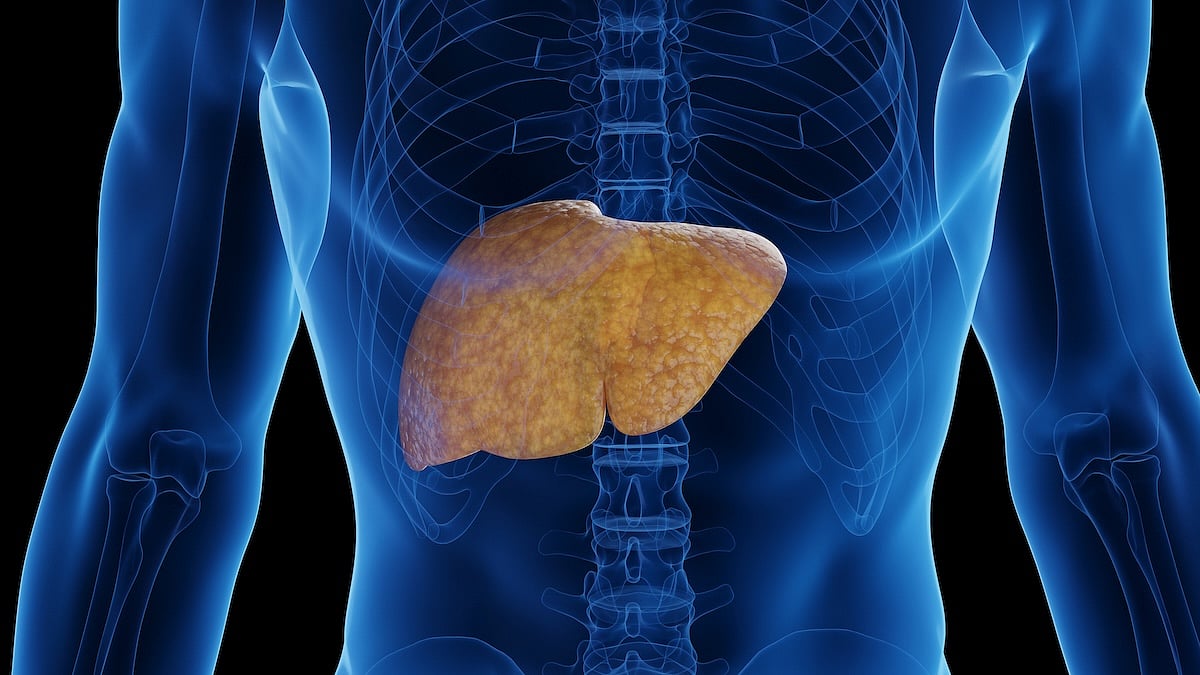 Genetics, Diabetes Tied to MASLD-Associated Cirrhosis Before Age 50
  2009 to 2023 Saw Surge in Probiotic Supplement Use
  Relapse Rare After Appendiceal Adenocarcinoma Resection
  Socioeconomic Status Linked to Mortality After Acute Hip Fracture Surgery
  Structured Exercise Should Be Considered as Adjunct Therapy for Cancer
  People With ADHD Experience 50 Percent More GI Symptoms
  AACR Annual Report Highlights Progress in Cancer Research


.jpg)