


Men, smokers, alcohol drinkers, those who consume a high-fat diet, and those with central obesity may be the most susceptible
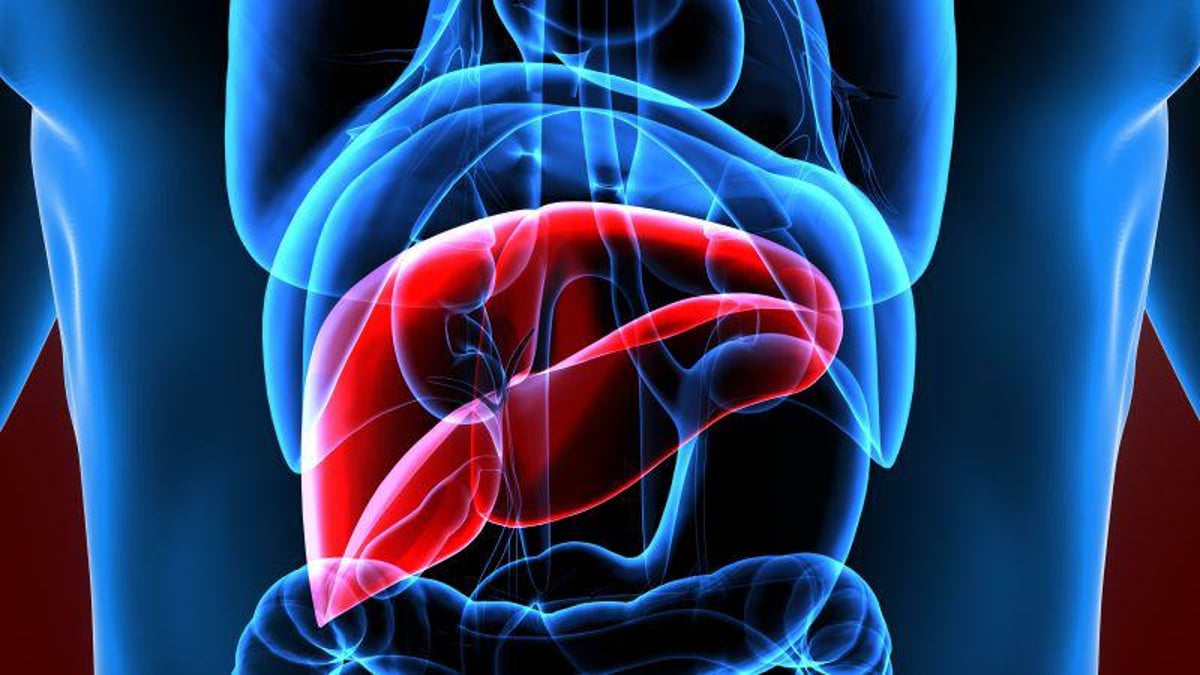
FRIDAY, Dec. 10, 2021 (HealthDay News) — Long-term exposure to ambient air pollution may increase the odds of metabolic dysfunction-associated fatty liver disease (MAFLD), according to a study published online Dec. 6 in the Journal of Hepatology.
Bing Guo, from Sichuan University in Chengdu, China, and colleagues examined the associations between long-term air pollution exposure and MAFLD prevalence. The analysis included 90,086 participants recruited in China from 2018 to 2019. Spatiotemporal models were used to estimate residence-specific air pollutants.
The researchers found that increased exposure levels to particulate matter with aerodynamic diameters of ≤1 μm, ≤2.5 μm, and ≤10 μm and nitrogen dioxide all were significantly associated with increased odds of MAFLD (odds ratios, 1.13, 1.29, 1.11, and 1.15, respectively, for each 10 μg/m3 increase). Men, alcohol drinkers, current and previous smokers, those who consume a high-fat diet, and those with central obesity experience more significant adverse effects from air pollution exposure.
“Multifaceted efforts to control air pollution and promote healthy lifestyles should be prioritized accordingly in public health initiatives and legislative measures,” the authors write.
 Air Pollution Does Not Impair Benefits of Walking in Reducing COPD Exacerbation Rate
 Steatotic Liver Disease Risk Scores Compared for Predicting Cirrhosis
 Cirrhosis Can Recur After Liver Transplant
 Air Pollution Tied to Higher Risk for Suicide
 2013 to 2024 Saw Decrease in Benzodiazepine Prescribing
 Childhood Cancer Survivors Often Have Mental Distress in Adulthood
 Insomnia Linked to Increased Risk for Stroke, Odds of Admission
 Age-Adjusted Suicide Rate Increased From 2014 to 2017 and Then Plateaued



.jpg)

