


Significantly lower rates of symptom rebound and rebound severity seen four weeks after eradication for those with infection
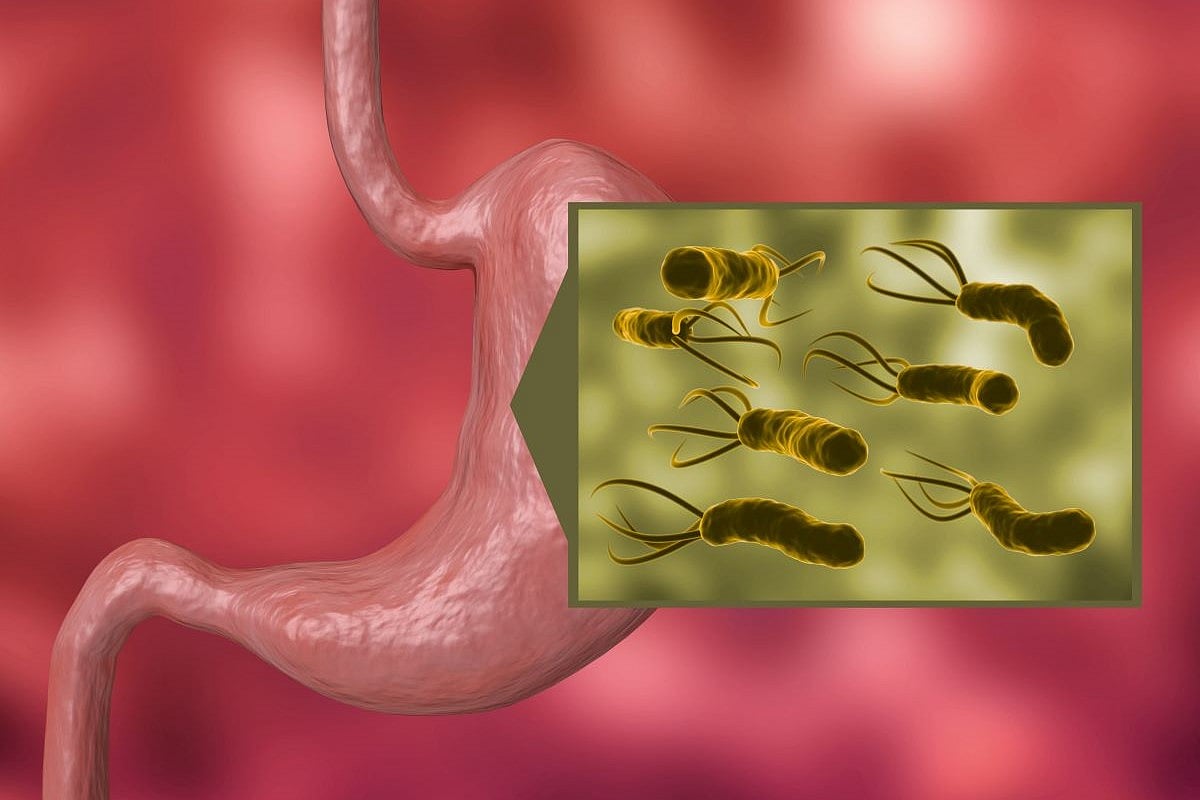
THURSDAY, March 6, 2025 (HealthDay News) — For patients with gastroesophageal reflux disease (GERD), those with Helicobacter pylori infection have significantly lower rates of symptom rebound and rebound severity after bacterial eradication and proton-pump inhibitor (PPI) therapy, according to a study published online Feb. 26 in Helicobacter.
Kai-Yu Hu, from the National Taiwan University Hospital in Taipei, and colleagues recruited patients with typical reflux symptoms and reflux esophagitis on esophagogastroduodenoscopy to examine the effect of H. pylori eradication on the rebound of reflux-related symptoms. Patients who were positive for H. pylori were randomly assigned to receive bacterial eradication with triple therapy for two weeks before or after four weeks of PPI therapy.
Two hundred forty-eight patients were enrolled; 43.1 percent tested positive for H. pylori. The researchers found significant symptom improvement over the entire treatment for all patients with and without concurrent H. pylori infection. Compared with those without, patients with H. pylori infection had significantly lower rates of symptom rebound (19.8 versus 34.2 percent) and rebound severity (1.8 ± 0.7 versus 2.8 ± 1.6) four weeks after eradication and PPI treatment. No significant difference was seen between the early and late eradication groups in terms of incidence rates of symptom rebound and successful eradication rates.
“The present study demonstrates that GERD patients without H. pylori infection were more vulnerable to experiencing rebound of reflux-related symptoms after PPI discontinuation,” the authors write.
Abstract/Full Text (subscription or payment may be required)
 H. Pylori Exposure May Contribute to Global Burden of Colorectal Cancer
  Freshwater Swimming Tied to Stomach Bugs, Skin Conditions
  Metabolic Dysfunction-Associated Steatotic Liver Disease Linked to Higher Odds of Eosinophilic Esophagitis
  Long-Term Proton Pump Inhibitor Use Not Linked to Gastric Adenocarcinoma
  Sugar-Sweetened Beverages May Increase Risk for Gastric Cancer
  Couples" Coping Skills Help Reduce Depression in GI Cancer Survivors
  Physical Activity Levels Linked to Risk for Digestive System Cancers
  Autoimmune Diseases Linked to Digestive System Cancers



.jpg)