


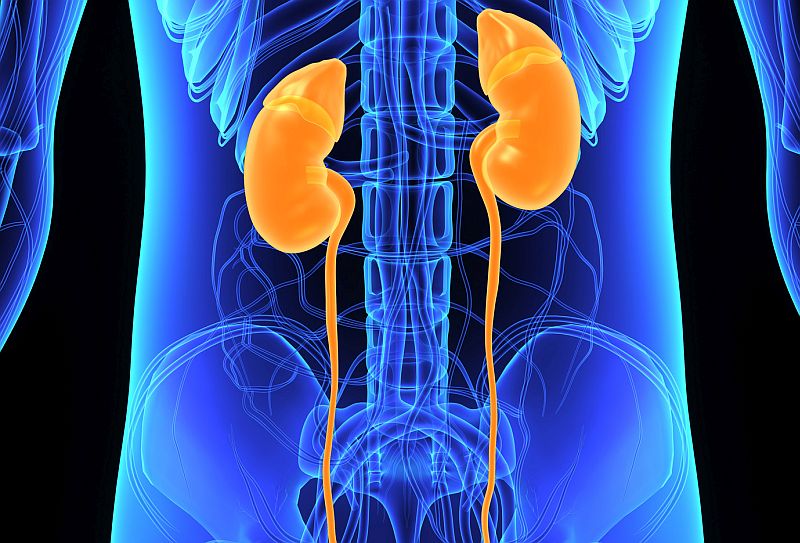
 Injury and repair biomarker levels suggest structural damage to renal tubules
WEDNESDAY, March 29, 2017 (HealthDay News) — Marathon runners can develop acute kidney injury (AKI) and diagnostic indicators of tubular injury, according to a study published online March 28 in the American Journal of Kidney Disease.
Sherry G. Mansour, D.O., from the Yale University School of Medicine in New Haven, Conn., and colleagues prospectively collected urine and blood samples from 22 runners (mean age 44 years) participating in the 2015 Hartford Marathon 24 hours before the marathon (day zero), immediately after the marathon (day one), and 24 hours after the marathon (day two). Assessed serum markers included creatinine and creatine kinase, while urine markers included urine albumin, injury urine biomarkers (immunoglobulin [IL]-6, IL-8, IL-18, kidney injury molecule 1, neutrophil gelatinase-associated lipocalin, and tumor necrosis factor α), and repair urine biomarkers (YKL-40 and monocyte chemoattractant protein 1).
The researchers found 82 percent of runners developed an increase in creatinine level equivalent to AKI stages 1 and 2. Microscopy diagnoses of tubular injury were seen in 73 percent of runners. On day one, serum creatinine, urine albumin, and injury and repair biomarker levels peaked and were significantly elevated compared to days zero and two. From day zero to day two, serum creatine kinase levels continued to significantly increase.
“An increase in injury and repair biomarker levels suggests structural damage to renal tubules occurring after marathon,” the authors write.
.jpg) Pregnancy Complications Linked to Subsequent Risk for Cardiometabolic-Renal Conditions
Pregnancy Complications Linked to Subsequent Risk for Cardiometabolic-Renal Conditions  GLP-1 Receptor Agonists, SGLT-2is Slow Renal Function Decline in T2D With Albuminuria
  Early Complications Common in Older Kidney Transplant Recipients
 .jpeg) 1997 to 2022 Saw Increase in Pediatric Hospitalizations With AKI
1997 to 2022 Saw Increase in Pediatric Hospitalizations With AKI  Frailty Linked to Incident Cognitive Decline in Men With CKD
  UACR, UPCR Provide Indistinguishable Prognostic Information in CKD
 .jpg) Recommendations Updated for Management of Anemia in CKD
Recommendations Updated for Management of Anemia in CKD  More Advanced CKM Syndrome Linked to Worse Cardiovascular Health


.jpg)

