


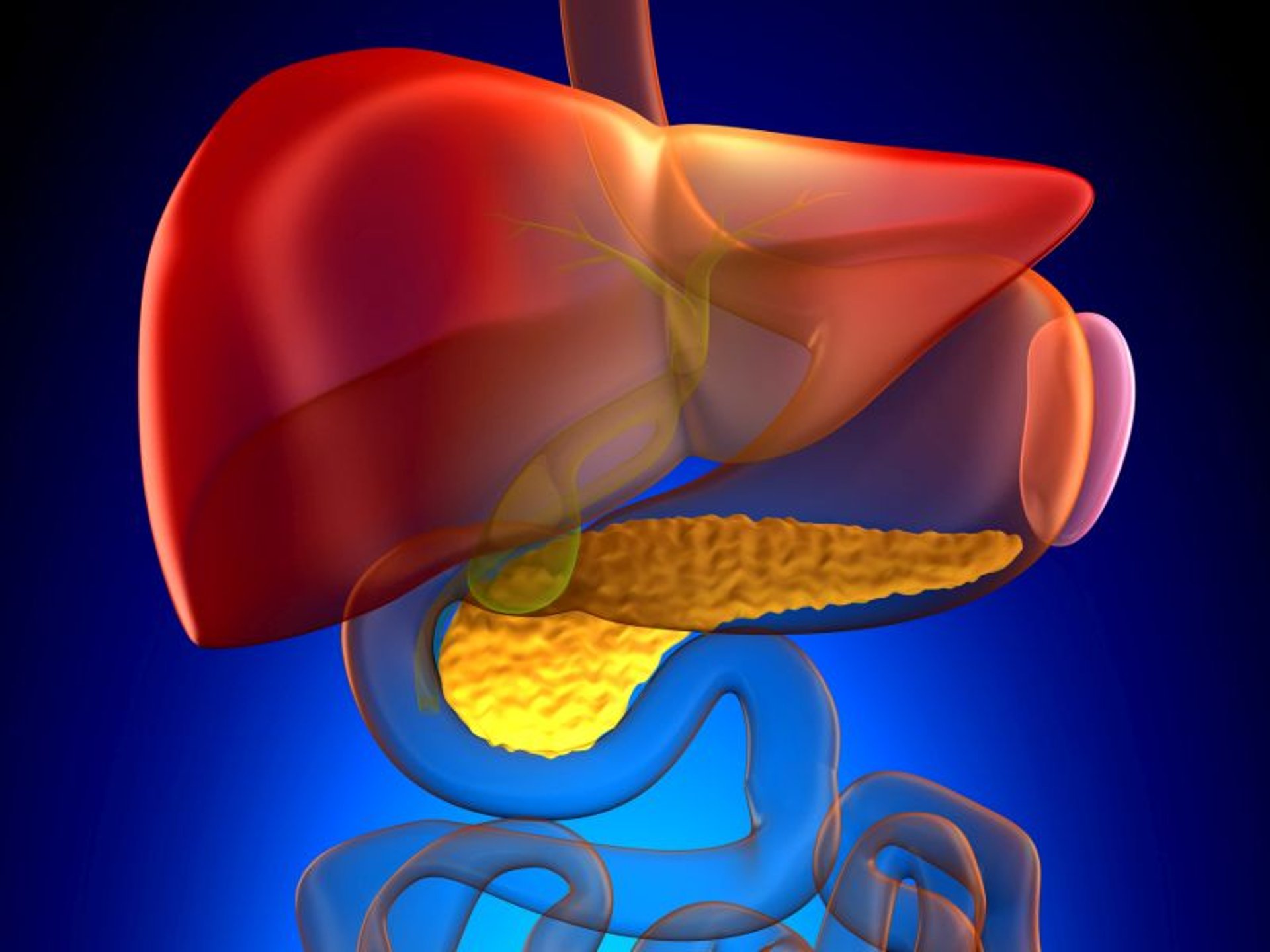
Survival benefit seen for surgery, even with R1/R2 resection margins compared with chemotherapy alone for stage II pancreatic cancer
THURSDAY, April 22, 2021 (HealthDay News) — For patients with stage II pancreatic cancer, attempted surgery with margin-positive resection may offer survival benefit over chemotherapy alone, according to a study published online March 26 in the Journal of the American College of Surgeons.
Amanda K. Arrington, M.D., from the University of Arizona in Tucson, and colleagues identified patients receiving surgery from 2010 to 2017 for stage II pancreatic cancers who had R1/R2 resection outcomes, with or without neoadjuvant chemotherapy, and compared their survival to that of patients with similarly staged disease who received chemotherapy alone. Data were included for 11,699 stage II pancreatic cancer patients: 81.4, 15.7, and 2.9 percent received chemotherapy alone, upfront surgery, and neoadjuvant therapy with surgery, respectively.
The researchers found that compared with the upfront surgery group and chemotherapy alone group, R1/R2 neoadjuvant patients had the best overall survival at a mean of 19.75 months versus 17.77 and 10.12 months, respectively (adjusted hazard ratios compared with chemotherapy alone, 0.46 for upfront surgery and 0.32 for neoadjuvant therapy). Compared with patients who underwent chemotherapy alone, survival was better in surgical patients even with R2 resection (15.76 versus 10.22 months), although the difference was not statistically significant. Although survival rates were significantly lower for R1/R2 resections than standard R0 resection, R1/R2 resection improved survival if patients received neoadjuvant/adjuvant chemotherapy.
“Even in the era of modern chemotherapy, margin positive resection, including R1 and R2 resections, still offer survival benefit,” the authors write. “This is critical since, in the setting of neoadjuvant therapy, response to treatment can be difficult to determine and surgical exploration and resection is necessary to fully assess resectability.”
 Implant, Patient Survival Do Not Differ for Robotic and Conventional Total Joint Replacement
  Physical Therapist-Supervised Exercise Improves Outcomes After ACL Reconstruction
  Early Complications Common in Older Kidney Transplant Recipients
  PET/MRI Offers Diagnostic, Prognostic Value in Pediatric Epilepsy
  Drug Interactions Reducing Contraceptive Effectiveness Common in Epilepsy
  Pre-Prostate Biopsy MRI Use Increased From 2017 to 2026
  Frequent Cannabis Use Linked to Epilepsy Severity
  Less Intraoperative Crystalloid Fluid Not Tied to Worse Surgical Outcomes


.jpg)
