


Recall was first announced in November 2019 for two models
TUESDAY, Oct. 5, 2021 (HealthDay News) — Medtronic has expanded a recall of its MiniMed 600 series insulin pumps to include more than 463,000 of the devices.
The pumps may deliver incorrect dosing of insulin, and the recall has been identified by the U.S. Food and Drug Administration as a Class I recall — the most serious type — because use of the recalled devices may cause serious harm or death.
The recall was first announced in November 2019 for two models: Model 630G, which may be used by people 16 years and older and was sold between September 2016 and February 2020, and Model 670G, which may be used by patients 7 years and older and was sold from May 2015 to December 2020.
In an Oct. 5 update about the recall, Medtronic said it will now replace any MiniMed 600 series insulin pump that has a clear retainer ring with one that has the updated black retainer ring at no charge. A replacement insulin pump will be provided even if the clear retainer ring is not damaged and regardless of the warranty status of the pump.
Medtronic previously alerted customers about missing or broken clear retainer rings of the MiniMed 630G and 670G insulin pumps. The retainer ring helps lock the insulin cartridge into place in the pump’s reservoir compartment. If the cartridge is not locked firmly into place, underdelivery or overdelivery of insulin may occur.
Serious injuries and deaths have been reported among patients using MiniMed 600 series insulin pumps, but those incidents may not have been directly related to the damaged clear retainer rings that triggered the recall, according to Medtronic.
 Weight-Loss Surgery Produces Lasting Diabetes Remission
 Very Low-Carb Diet Shows Greater Cardiometabolic Benefits Than Other Diets
.jpg) Time-Restricted Eating May Help Patients With Type 1 Diabetes
 GLP-1 Receptor Agonist Use Does Not Increase Insulin Discontinuation With Type 2 Diabetes
 GLP-1 Receptor Agonists, SGLT-2is Slow Renal Function Decline in T2D With Albuminuria
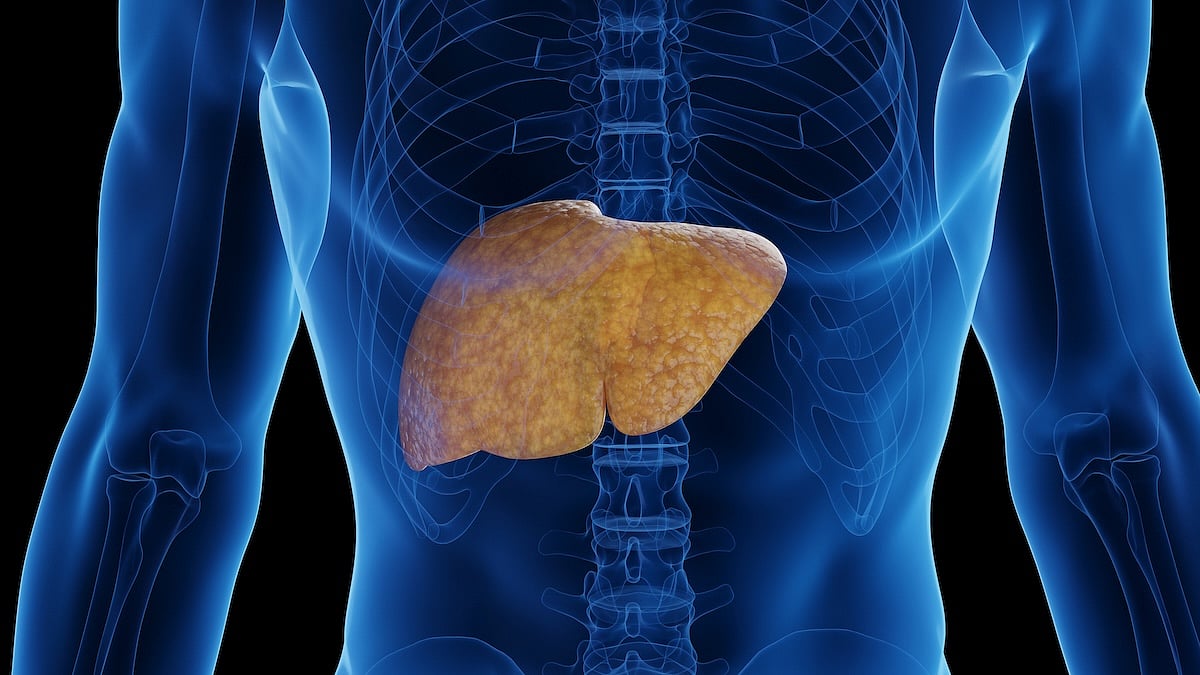 Genetics, Diabetes Tied to MASLD-Associated Cirrhosis Before Age 50
 Study IDs Risk Factors for Ketoacidosis in Adults With T2D Receiving SGLT2 Inhibitors
 Long-Term Medication Adherence Tied to Lower Cardiovascular Event Rate in Type 2 Diabetes
.jpg)




