


Four clinicopathological variables significantly associated with advanced neoplasia risk among those with low-grade dysplasia
FRIDAY, March 25, 2022 (HealthDay News) — For patients with ulcerative colitis (UC), large, unresected, multifocal low-grade dysplasia (LGD) and recent moderate/severe histological inflammation are associated with elevated risk of developing advanced neoplasia (AN), according to a study published online March 7 in Gut.
Kit Curtius, Ph.D., from Barts Cancer Institute at the Queen Mary University of London, and colleagues conducted a retrospective multicenter validated cohort study involving adult patients with UC with an index diagnosis of LGD, identified between 2001 and 2019 from four U.K. centers, who were followed until progression to AN. A multivariate risk prediction model was derived from clinicopathological features in the discovery cohort (246 patients). The model was validated using data from three external centers (198 patients).
The researchers found that in the discovery cohort, four clinicopathological variables were significantly associated with AN progression: endoscopically visible LGD >1 cm, unresectable or incomplete endoscopic resection, moderate/severe histological inflammation within five years of LGD diagnosis, and multifocality (hazard ratios [95 percent confidence intervals], 2.7 [1.2 to 5.9], 3.4 [1.6 to 7.4], 3.1 [1.5 to 6.7], and 2.9 [1.3 to 6.2], respectively). This four-variable model accurately predicted future AN cases in the validation cohort, with overall calibration observed/expected of 1.01 (95 percent confidence interval, 0.64 to 1.52). Over 13 years of available follow-up, the model achieved 100 percent specificity for the lowest risk group.
“Multicohort validation confirms that patients with large, unresected, multifocal LGD and recent moderate/severe inflammation are at highest risk of developing AN,” the authors write. “Personalized risk prediction provided via the Ulcerative Colitis-Cancer Risk Estimator (UC-CaRE.uk) can support treatment decision making.”
One author disclosed financial ties to Satisfai Health.
 Serum 25(OH)D May Serve as Biomarker of Disease Activity in IBD
  Surveillance Colonoscopy at Five Years After Adenoma Removal Noninferior to Three Years
 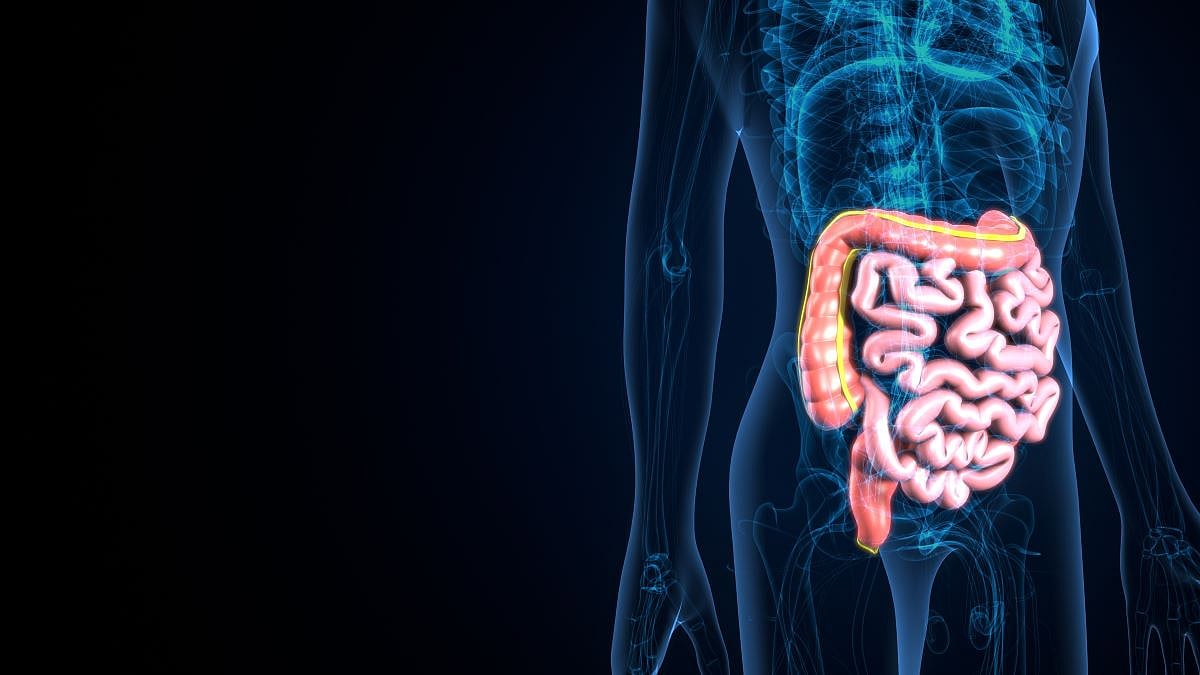 Family History of CRC Increases CRC Risk Similarly in IBD, General Population
 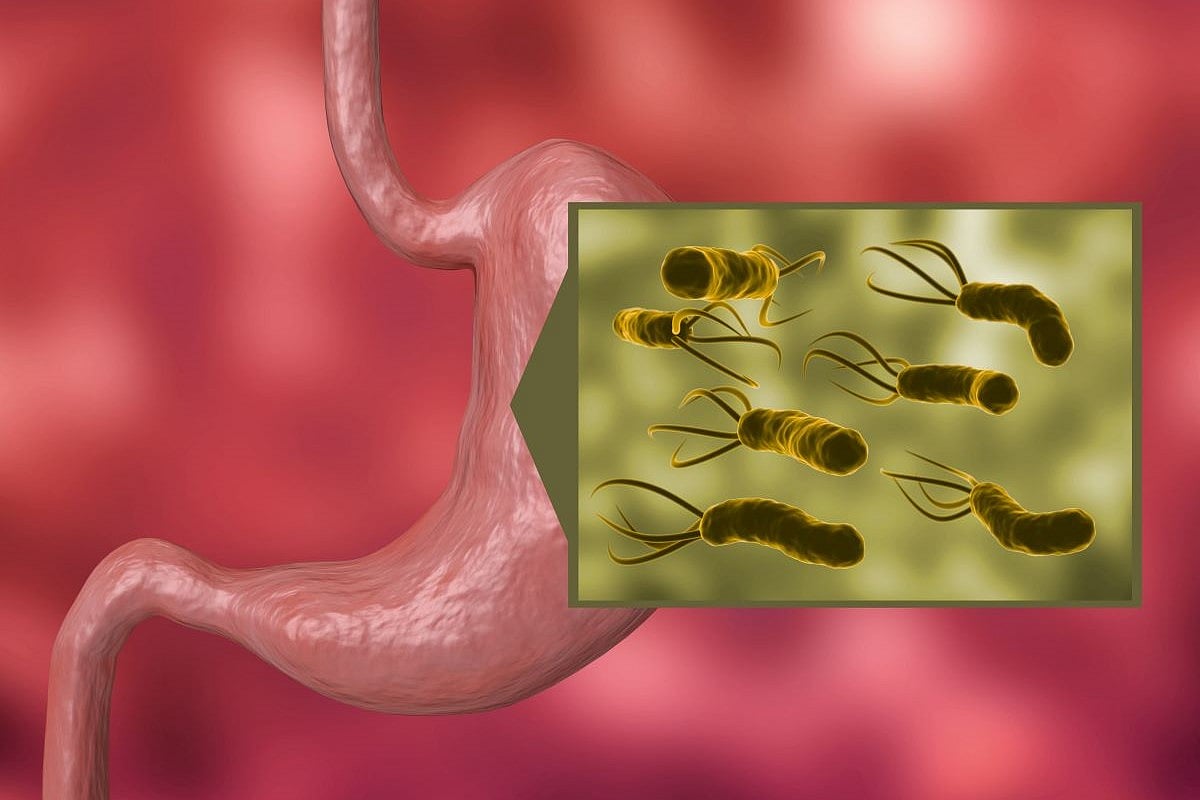 H. Pylori Exposure May Contribute to Global Burden of Colorectal Cancer
  Distinct Skin Microbiome Features Emerge Before Atopic Disease Onset in Infants
  Freshwater Swimming Tied to Stomach Bugs, Skin Conditions
  Couples" Coping Skills Help Reduce Depression in GI Cancer Survivors
 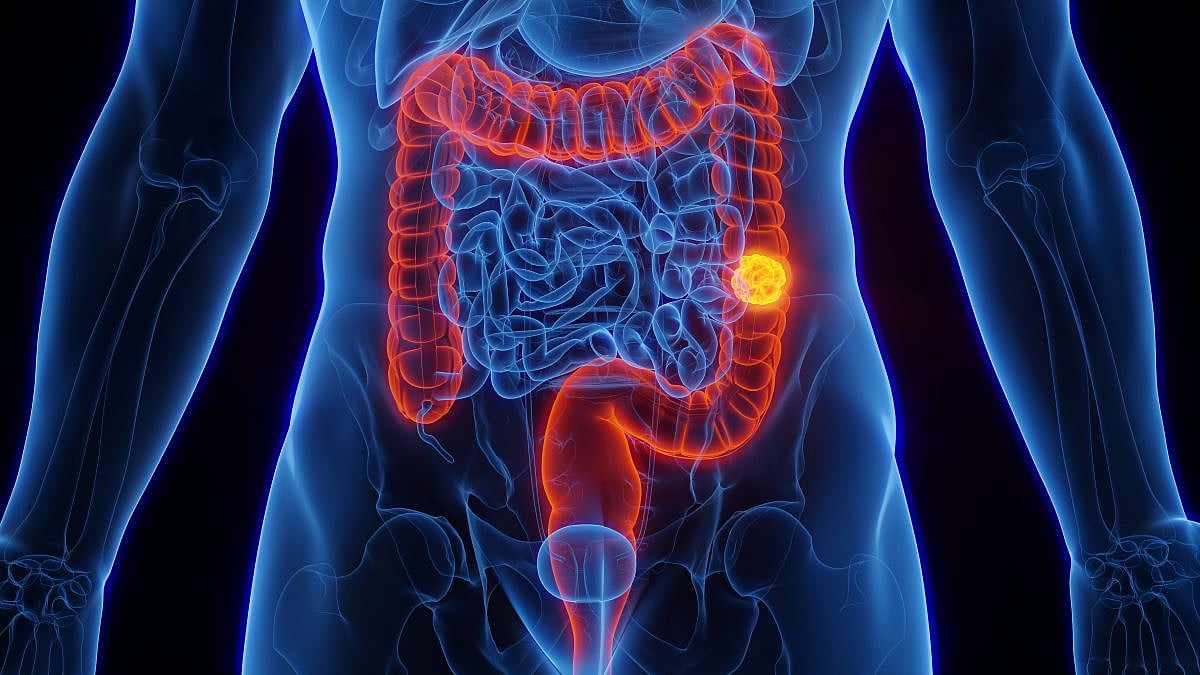 Organized, Biennial FIT-Based Screening Linked to Lower Colorectal Cancer Mortality


.jpg)

