


 Odds of elevated blood pressure and stage 1, 2 hypertension increased with moderate drinking
THURSDAY, Sept. 10, 2020 (HealthDay News) — For individuals with type 2 diabetes, moderate and heavy drinking are associated with an increased risk for elevated blood pressure, stage 1 hypertension, and stage 2 hypertension, according to a study published online Sept. 9 in the Journal of the American Heart Association.
Jonathan J. Mayl, M.D., from the Wake Forest School of Medicine in Winston-Salem, North Carolina, and colleagues describe the association between alcohol consumption and prevalent hypertension among 10,200 participants with type 2 diabetes from the Action to Control Cardiovascular Risk in Diabetes trial. Alcohol consumption was classified as none, light (one to seven/week), moderate (eight to 14/week), and heavy (≥15 drinks/week).
The researchers observed no association for light alcohol consumption with elevated blood pressure or any stage of hypertension. Associations were seen for moderate alcohol consumption with elevated blood pressure and stage 1 and stage 2 hypertension (odds ratios, 1.79, 1.66, and 1.62, respectively). Associations were also seen for heavy alcohol consumption (odds ratios, 1.91, 2.49, and 3.04, respectively).
“Though light-to-moderate alcohol consumption may have positive effects on cardiovascular health in the general adult population, both moderate and heavy alcohol consumption appear to be independently associated with higher odds of high blood pressure among those with type 2 diabetes,” a coauthor said in a statement.
.jpg) Pregnancy Complications Linked to Subsequent Risk for Cardiometabolic-Renal Conditions
Pregnancy Complications Linked to Subsequent Risk for Cardiometabolic-Renal Conditions  GLP-1 Receptor Agonists, SGLT-2is Slow Renal Function Decline in T2D With Albuminuria
  Study IDs Risk Factors for Ketoacidosis in Adults With T2D Receiving SGLT2 Inhibitors
 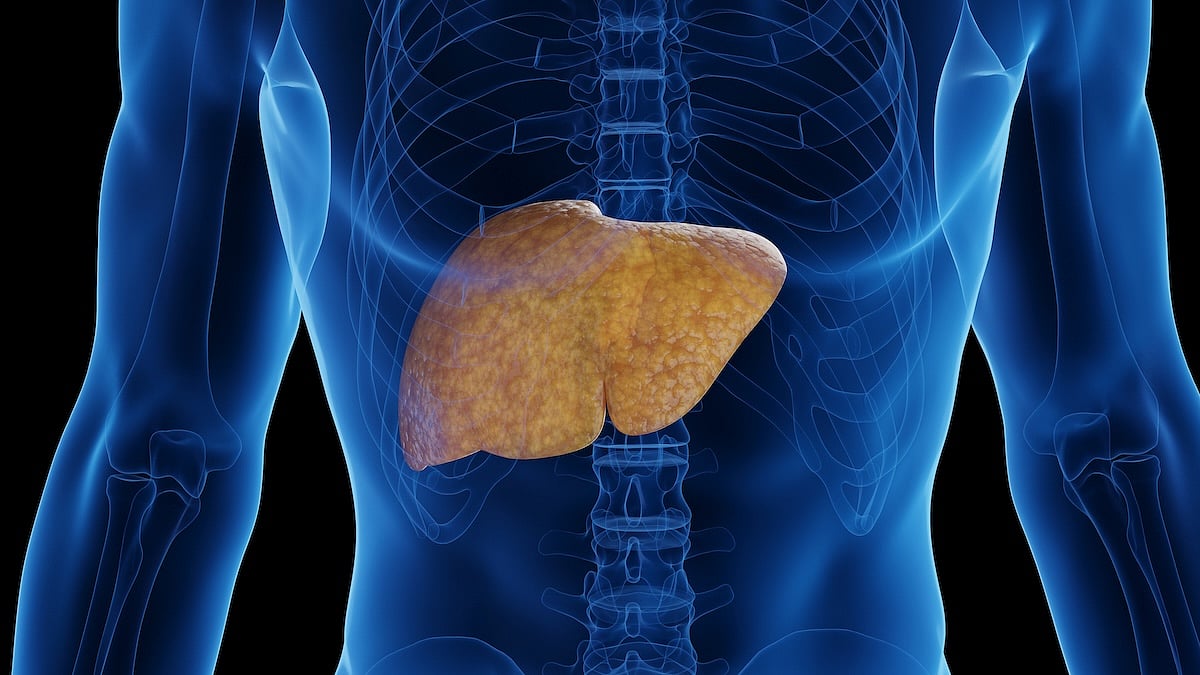 Genetics, Diabetes Tied to MASLD-Associated Cirrhosis Before Age 50
  Steatotic Liver Disease Risk Scores Compared for Predicting Cirrhosis
  Cirrhosis Can Recur After Liver Transplant
  Family History of CRC Increases CRC Risk Similarly in IBD, General Population
 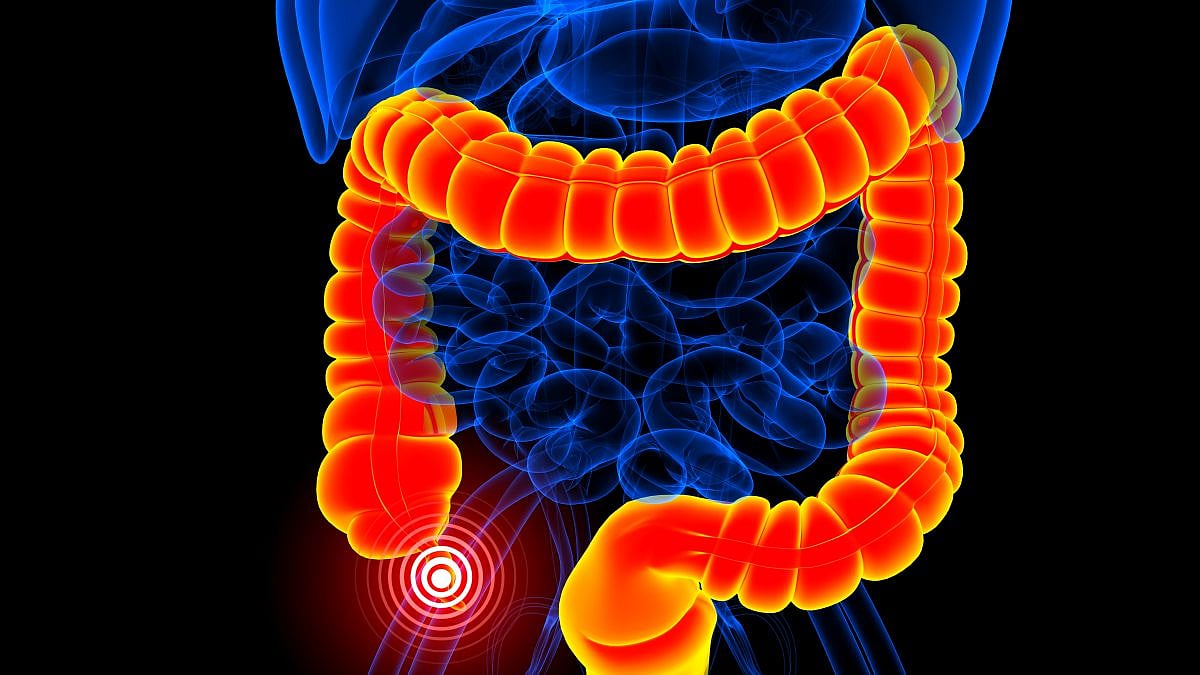 Relapse Rare After Appendiceal Adenocarcinoma Resection


.jpg)

