


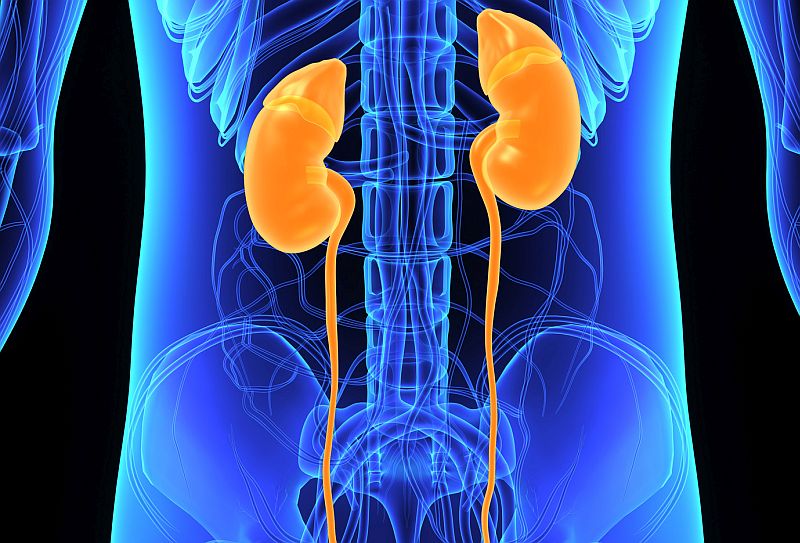
 Two molecular sub-phenotypes perform differently in response to vasopressin therapy
WEDNESDAY, Nov. 14, 2018 (HealthDay News) — Two molecularly distinct sub-phenotypes of acute kidney injury (AKI) are associated with different clinical outcomes and response to vasopressin therapy, according to a study recently published in the American Journal of Respiratory and Critical Care Medicine.
Pavan K. Bhatraju, M.D., from University of Washington in Seattle, and colleagues developed a model to identify AKI sub-phenotypes and assess whether these sub-phenotypes have prognostic and therapeutic implications. The model was then applied to 271 patients with AKI in the Vasopressin in Septic Shock clinical trial.
The researchers found that a two-sub-phenotype latent class analysis model had the best fit in both the discovery (P = 0.004) and replication (P = 0.004) cohorts. With AKI sub-phenotype 2 (AKI-SP2), the risk for seven-day renal nonrecovery and 28-day mortality was greater versus AKI sub-phenotype 1 (AKI-SP1). Compared with the Kidney Disease Improving Global Outcomes Stages of AKI, the AKI sub-phenotypes better discriminated risk for poor clinical outcomes. Including markers of endothelial dysfunction and inflammation in a three-variable model accurately determined sub-phenotype classification. Compared with norepinephrine, vasopressin was associated with improved 90-day mortality in AKI-SP1 (27 versus 46 percent; P = 0.02), but not in AKI-SP2 (45 versus 49 percent; P = 0.99).
“Identification of AKI sub-phenotypes could improve risk prognostication and may be useful for predictive enrichment in clinical trial,” the authors write.
Abstract/Full Text (subscription or payment may be required)
.jpg) Pregnancy Complications Linked to Subsequent Risk for Cardiometabolic-Renal Conditions
 GLP-1 Receptor Agonists, SGLT-2is Slow Renal Function Decline in T2D With Albuminuria
.jpeg) 1997 to 2022 Saw Increase in Pediatric Hospitalizations With AKI
 Early Complications Common in Older Kidney Transplant Recipients
 Implant, Patient Survival Do Not Differ for Robotic and Conventional Total Joint Replacement
 Physical Therapist-Supervised Exercise Improves Outcomes After ACL Reconstruction
 Frailty Linked to Incident Cognitive Decline in Men With CKD
 PET/MRI Offers Diagnostic, Prognostic Value in Pediatric Epilepsy


.jpg)

