



Despite significant increase in serious adverse events, no difference reported in health-related quality of life
FRIDAY, Oct. 20, 2023 (HealthDay News) — For patients with multiorgan metastatic colorectal cancer (mCRC), adding maximum tumor debulking to systemic therapy is associated with more serious adverse events but no difference in health-related quality of life (HRQoL), according to a study in the October issue of the Journal of the National Comprehensive Cancer Network.
Lotte Bakkerus, M.D., from the Radboud Institute for Health Sciences in Nijmegen, Netherlands, and colleagues examined HRQoL associated with tumor debulking when added to first-line palliative systemic therapy compared with standard systemic therapy in patients with multiorgan mCRC. Three hundred patients with clinical benefit after three or four cycles of first-line palliative systemic therapy with fluoropyrimidines and oxaliplatin with or without bevacizumab were randomly assigned to maximal tumor debulking followed by systemic therapy versus systemic therapy alone (148 and 152 patients, respectively).
The researchers found that when tumor debulking therapy was added to systemic therapy, there were no statistically significant or clinically relevant differences in HRQoL or fatigue. For patients in both study arms, there was no difference in HRQoL after one year of treatment versus at the time of randomization. Serious adverse events were experienced twice as often by patients in the intervention arm versus the standard arm.
“Given the considerable amount of complications from local treatment, we had expected to see a bigger impact on overall and persistent quality of life in the experimental group,” Bakkerus said in a statement. “The fact that local therapy-associated serious side effects did not translate to a noticeable dip in the patients” perceived quality of life is quite intriguing and warrants further exploration.”
 Surveillance Colonoscopy at Five Years After Adenoma Removal Noninferior to Three Years
  Study IDs Risk Factors for Ketoacidosis in Adults With T2D Receiving SGLT2 Inhibitors
  Family History of CRC Increases CRC Risk Similarly in IBD, General Population
 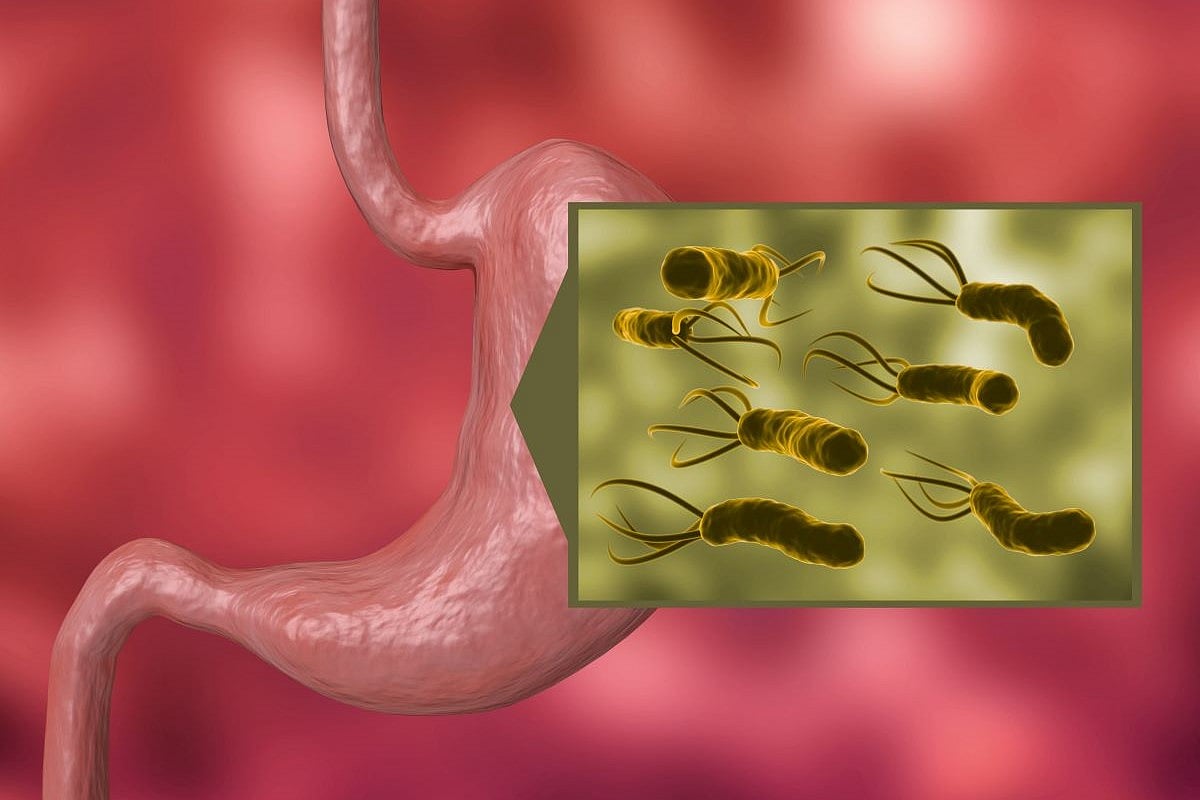 H. Pylori Exposure May Contribute to Global Burden of Colorectal Cancer
  Distinct Skin Microbiome Features Emerge Before Atopic Disease Onset in Infants
  Freshwater Swimming Tied to Stomach Bugs, Skin Conditions
  Couples" Coping Skills Help Reduce Depression in GI Cancer Survivors
  Organized, Biennial FIT-Based Screening Linked to Lower Colorectal Cancer Mortality


.jpg)

