


However, perceptions varied between women seen in safety-net clinics versus academic medical center clinics
TUESDAY, Jan. 27, 2026 (HealthDay News) — Most patients are comfortable with artificial intelligence (AI) use to support mammogram interpretation, according to a study published online Dec. 3 in Breast Cancer Research and Treatment.
Jenifer Chisom Ogu, M.D., from University of Texas Southwestern Medical Center (UT Southwestern) in Dallas, and colleagues surveyed 924 patients visiting safety-net and academic hospital breast imaging clinics (April to June 2024 and February to August 2023, respectively) to understand patient perceptions of AI use in mammogram interpretation.
The researchers found that use of AI alone or as a second reader was accepted by 74 percent of respondents overall, with safety-net participants less likely to accept it (odds ratio [OR], 0.71). However, safety-net participants were more likely to request a reading by AI following radiologist-interpreted abnormalities (OR, 1.83), rate AI as the same or better than a radiologist at detecting cancer (OR, 1.54), and have higher concern regarding data privacy (OR, 1.87). There were associations for higher education (OR, 1.99) and self-reported AI knowledge (OR, 1.98) with higher acceptance of AI use. Respondents of non-Hispanic Black race had lower acceptance (OR, 0.40) of AI use, when controlling for other covariates.
“As AI is increasingly used in breast imaging interpretation, attention should be paid to educate patients about the role of AI, obtain consent for its use, and provide safeguards to protect data privacy,” lead author Emily Knippa, M.D., also from UT Southwestern, said in a statement.
Abstract/Full Text (subscription or payment may be required)
 Gap Found Between Awareness of Breast Cancer Risk and Risk-Reducing Behavior
  Exercise Intervention Linked to Improved Attention, Memory in Breast Cancer
 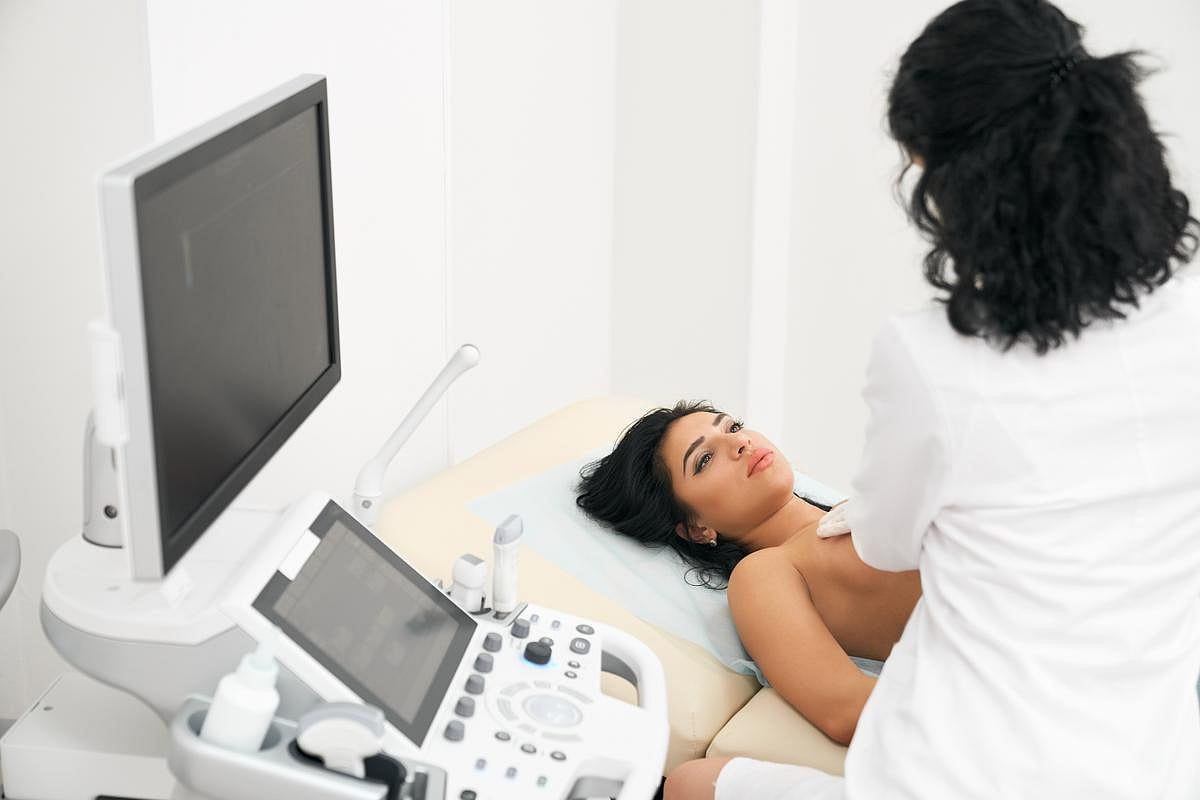 Dense Breast Notification Linked to Increase in Use of Supplemental Ultrasound
 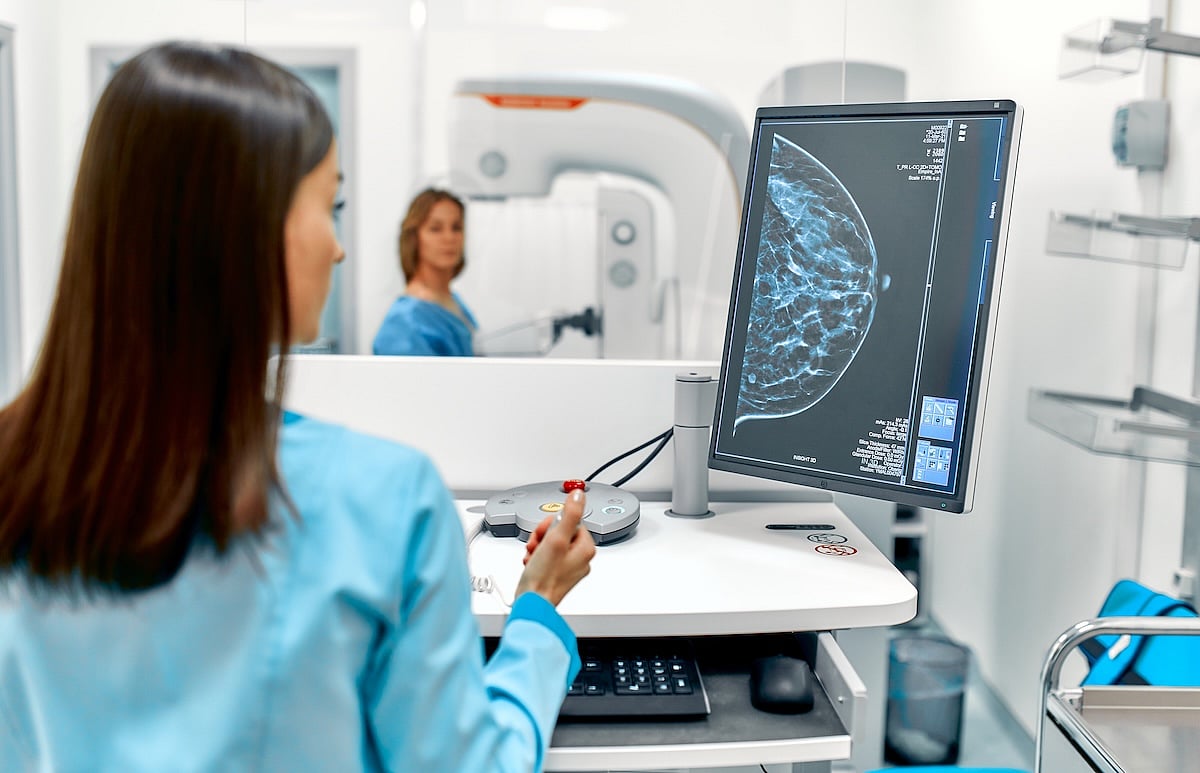 Mammography Trials Yield Excess-Incidence Patterns Consistent With Low Overdiagnosis
  Lower Breast, Cervical Cancer Screening Seen for Adults With Disabilities
  Alcohol-Attributable Cancer Mortality Has Increased Significantly in the U.S.
  Chemo-Free Combo of Four Targeted Therapies Shows Promise in Metastatic Breast Cancer
  AMH Predicts Benefit of Chemo + Endocrine Therapy in Under 55s With Breast Cancer
 .jpg)




