


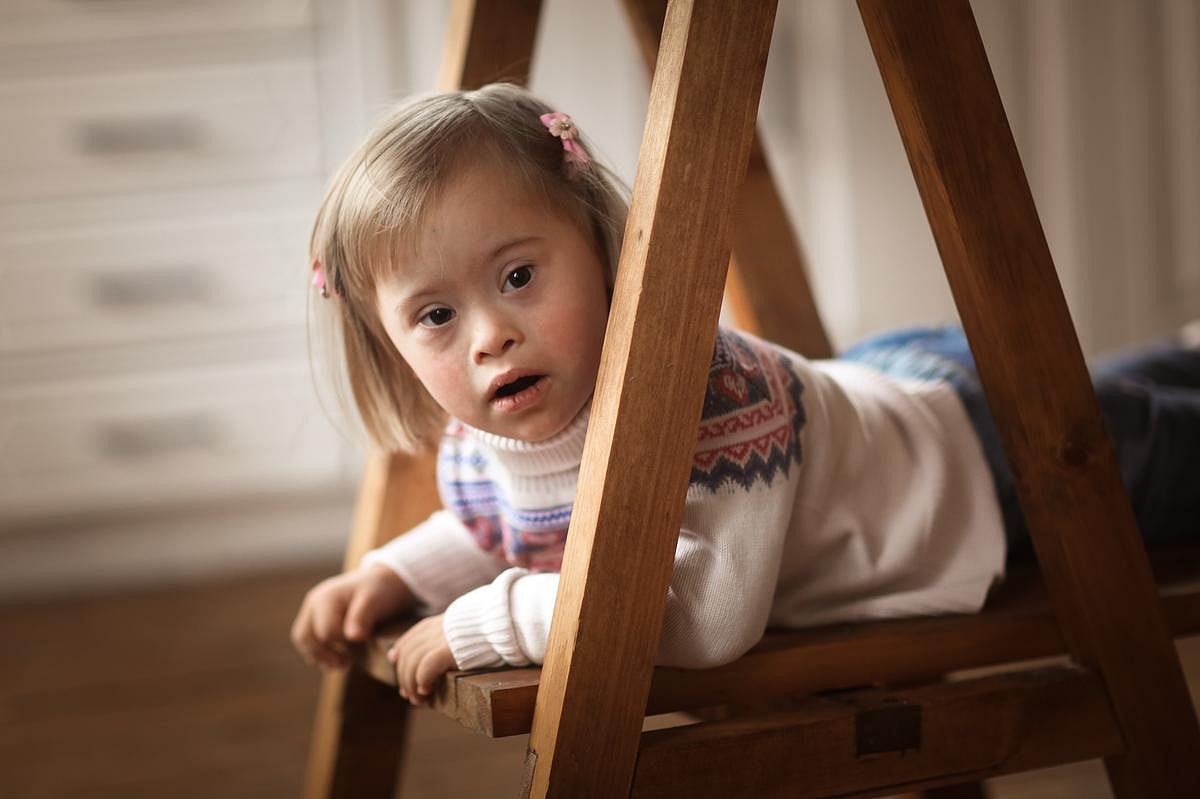
Many report navigating the screening process without sufficient information or emotional support
THURSDAY, Aug. 21, 2025 (HealthDay News) — A survey of mothers of children with Down syndrome (DS) reveals room for improvement to better support parental understanding of prenatal screening and to promote intentional, informed decision-making, according to research published online Aug. 9 in the American Journal of Medical Genetics, Part A.
Tamar Rutter, from the University of Warwick in the United Kingdom, and colleagues assessed experiences of prenatal screening among 317 mothers of children with DS (born between 2019 and 2022) living in England, Scotland, or Wales.
The researchers found that while most mothers understood screening was optional, many accepted initial screening with little consideration (54 percent) and most perceived it as routine (83 percent). More than one-third (37 percent) reported insufficient opportunity to discuss screening with health care professionals before making their decision. Many mothers reported insufficient information about DS (62 percent) and limited support to understand screening results. Many mothers reported that screening results were not presented neutrally, with some noting how negative attitudes or assumptions about DS were highly memorable and impactful.
“Prenatal screening is often how parents first learn about the possibility of their child having Down syndrome, and our research shows the lasting personal impact of the way screening results are communicated to them,” Rutter said in a statement. “At the same time, we found that many expectant parents received limited support to meaningfully consider whether or not to have screening, highlighting the need for care which truly promotes informed choice.”
 Urine Cell-Free RNA Shows Promise as Biomarker for Bladder Cancer
  Age-, Joint-Specific Ultrasound Reference Values Set for Healthy Joints
  Gene Mutation Identified That Increases Lung Cancer Risk
  Family History of CRC Increases CRC Risk Similarly in IBD, General Population
  Personalized Support Boosts Families" Genetic Testing for Hereditary Cancers
  Serum 25(OH)D May Serve as Biomarker of Disease Activity in IBD
  Surveillance Colonoscopy at Five Years After Adenoma Removal Noninferior to Three Years
  Genetics, Diabetes Tied to MASLD-Associated Cirrhosis Before Age 50




.jpg)