Higher neighborhood deprivation ups risk of breast cancer mortality by 47 percent
FRIDAY, June 14, 2024 (HealthDay News) — Factors aside from neighborhood deprivation are responsible for increased breast cancer mortality among Black women, according to a study published online June 12 in JAMA Network Open.
Lauren E. Barber, Ph.D., from the Emory University Rollins School of Public Health in Atlanta, and colleagues investigated whether neighborhood deprivation is associated with breast cancer mortality among Black and White women. Analysis included data from 36,795 women with a breast cancer diagnosis from 2010 to 2017 (and followed through 2022) identified from the Georgia Cancer Registry.
The researchers found that the Neighborhood Deprivation Index (NDI) was associated with an increase in breast cancer mortality (quintile 5 versus 1: hazard ratio, 1.36). However, this association was seen only among non-Hispanic White women (quintile 5 versus 1: hazard ratio, 1.47). Irrespective of the additional neighborhood characteristics considered in joint-stratified analysis, the association with increased breast cancer mortality only persisted among non-Hispanic White women.
“In this cohort study, we found that neighborhood deprivation was associated with increased breast cancer mortality among non-Hispanic White women but not non-Hispanic Black women,” the authors write. “Further investigation of neighborhood residential mobility may help identify subgroups of non-Hispanic Black women at increased risk. However, other factors beyond those explored may contribute to increased breast cancer mortality among Black women and should be interrogated.”
One author disclosed ties to the pharmaceutical industry.
 Dense Breast Notification Linked to Increase in Use of Supplemental Ultrasound
  MHT Initiation May Reduce Cardiovascular Risk in Women With Vasomotor Symptoms
  Mammography Trials Yield Excess-Incidence Patterns Consistent With Low Overdiagnosis
  Lower Breast, Cervical Cancer Screening Seen for Adults With Disabilities
  Surveillance Colonoscopy at Five Years After Adenoma Removal Noninferior to Three Years
  Family History of CRC Increases CRC Risk Similarly in IBD, General Population
 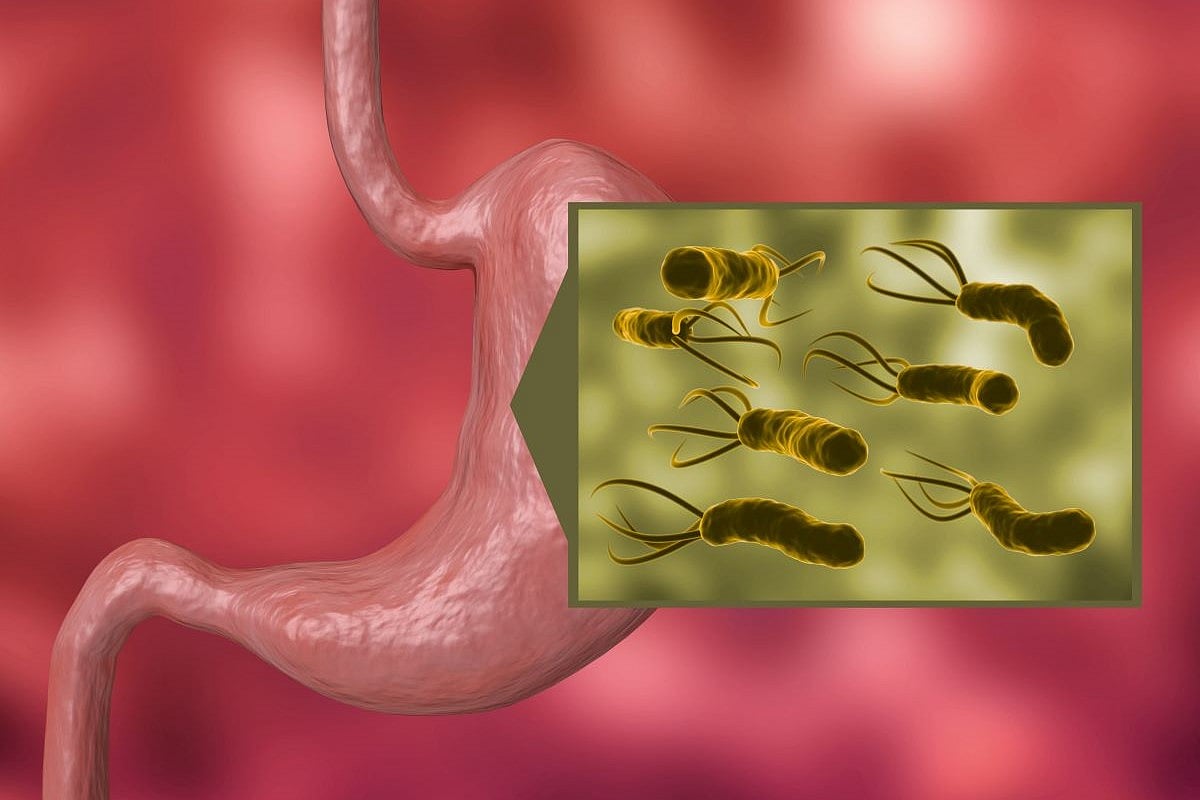 H. Pylori Exposure May Contribute to Global Burden of Colorectal Cancer
  Alcohol-Attributable Cancer Mortality Has Increased Significantly in the U.S.



.jpg)